WASHINGTON, April 30 (UPI) — Spectators became teary-eyed Thursday after a Senate Judiciary Committee delayed a vote on a landmark proposal to allow child sexual abuse survivors to speak out against their perpetrators.
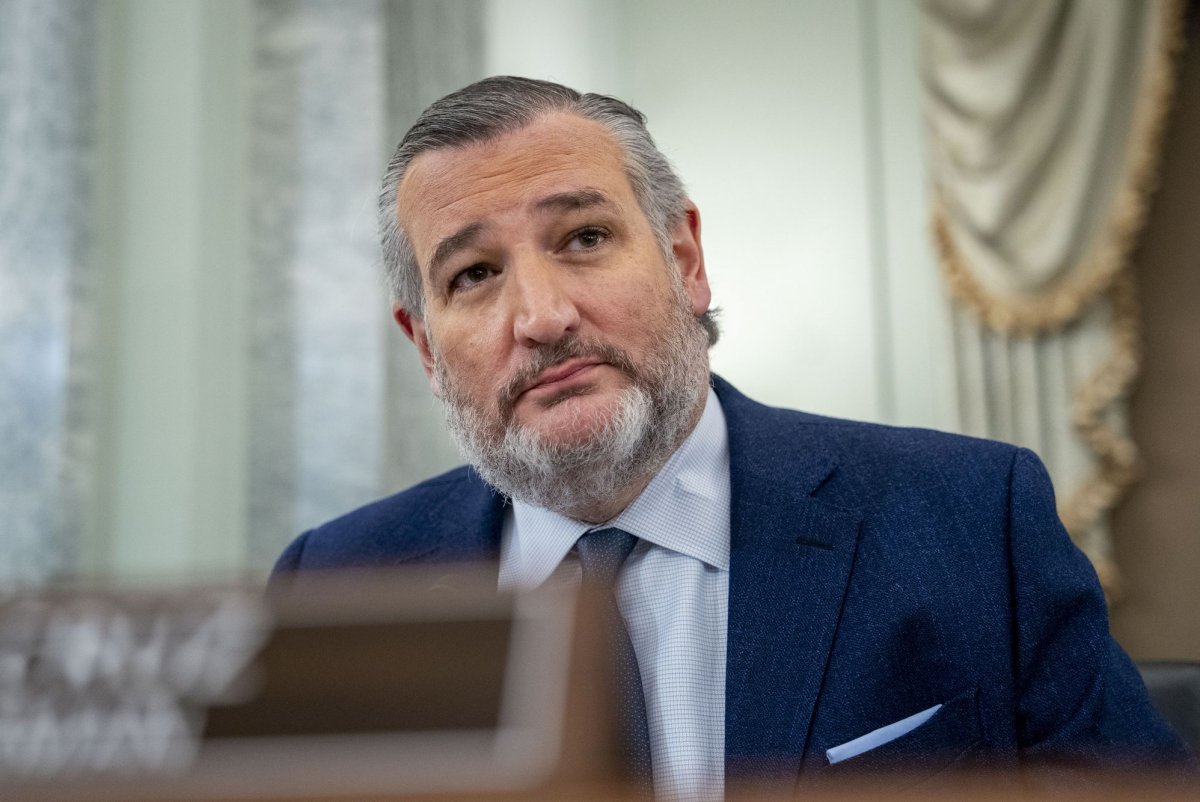
Dubbed “Trey’s Law,” the bipartisan legislation was introduced March 3 by Sens. Ted Cruz, R-Texas, and Kirsten Gillibrand, D-N.Y. It would void non-disclosure agreements in civil settlements that prevent survivors of child sexual abuse and trafficking from speaking about their experiences.
However, Chairman Chuck Grassley, R-Iowa, told the committee during the hearing that the bill would not be voted on and held over for further review, to which some sponsors expressed frustration.
Trey’s Law was inspired by Elizabeth Phillips, Trey’s sister, who was present at the hearing Thursday morning. Similar bills have passed in some states and are pending in others.
The bill was named after Trey Carlock, a 28-year-old Dallas resident who died by suicide after a retraumatizing civil litigation process against Kanakuk Ministries, a Christian sports camp based in Branson, Mo.
“Unfortunately, we are failing you [Elizabeth Phillips and Trey Carlock] today by not moving this forward, but rest assured that there are many of us that will continue this pursuit and make sure that this happens the next time that this committee gets together,” said Sen. Katie Britt R-Ala..
“Trey deserves that. His legacy deserves that. And so many children right now who are doing this do, as well.”
According to Cruz, Carlock once reported that from the age of 7 to 17, the ministry’s director, Pete Newman, groomed and sexually abused Carlock.
Known as a serial sex abuser by both court records and media reports, Newman was sentenced in 2010 to two life sentences plus 30 years in Missouri state prison for sex crimes.
The prosecutor who handled the case against Trey’s camp director told reporters that there were probably hundreds of victims, Cruz said.
By age 23, Carlock was required to file a civil litigation against Kanakuk, due to Texas’ statue of limitations for child sexual abuse cases at the time. However, Kanakuk and its agents forced settlements on “John Does” and Carlock, which included restrictive non-disclosuire agreements, covering up what they already knew about Newman, according to the Trey’s Law’s website.
In 2019, Carlock told his therapist before he took his own life that “they’ll always control me,” and that he’d “never be free,” Cruz said.
“This is bigger than any one case. This is part of a nationwide movement, and the use of contracts to bury abuse and silent survivors,” Cruz said.
“Because the non-disclosure agreements did not protect him, it silenced him. And what was silenced did not stay still. It spread – slowly, quietly, like corrosive poison, eating away over time, unseen, but relentless.”
In the context of Trey’s Law, nondisclosure agreements can prevent survivors from speaking out against abuse they faced, according to Kathryn Robb, national director of the Children’s Justice Campaign at Enough Abuse.
“What happens when we increase the barrier via silence is we prevent the bad acting institutions from doing the right thing because they’re clothed in this secrecy,” Robb said.
While no states have openly opposed Trey’s Law, one potential hurdle in getting all states on board is confusion from legislators as to what the bill really is and what it would mean in court.
For example, in Louisiana, legislators expressed concerns that if non-disclosure agreements are taken off the table, an unintended consequence could be that victims would not be able to settle their litigation, said Todd Latiolais, director of policy and advocacy for Trey’s law.
Other concerns from lawmakers, primarily from large institutions, are that NDAs are a part of a standard settlement process and are concerned about what this would do, Latiolais said.
“We will get this bill passed,” Cruz said, who hopes in the next month the bill will advance. “We will get it passed to the House, and we will put it on the president’s desk.”
Help is available if you or someone you know is struggling with suicidal thoughts or mental health matters. In the United States, call or text 988, the Suicide & Crisis Lifeline. Globally, the International Association for Suicide Prevention and Befrienders Worldwide have contact information for crisis centers around the world.
About the Author