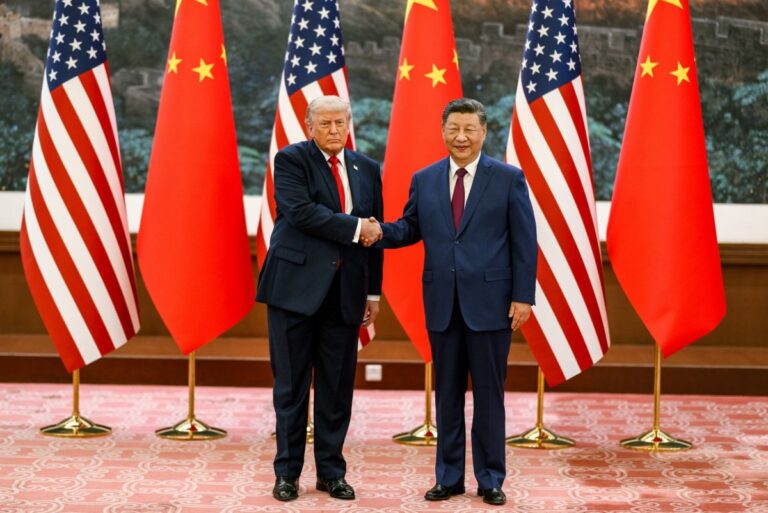
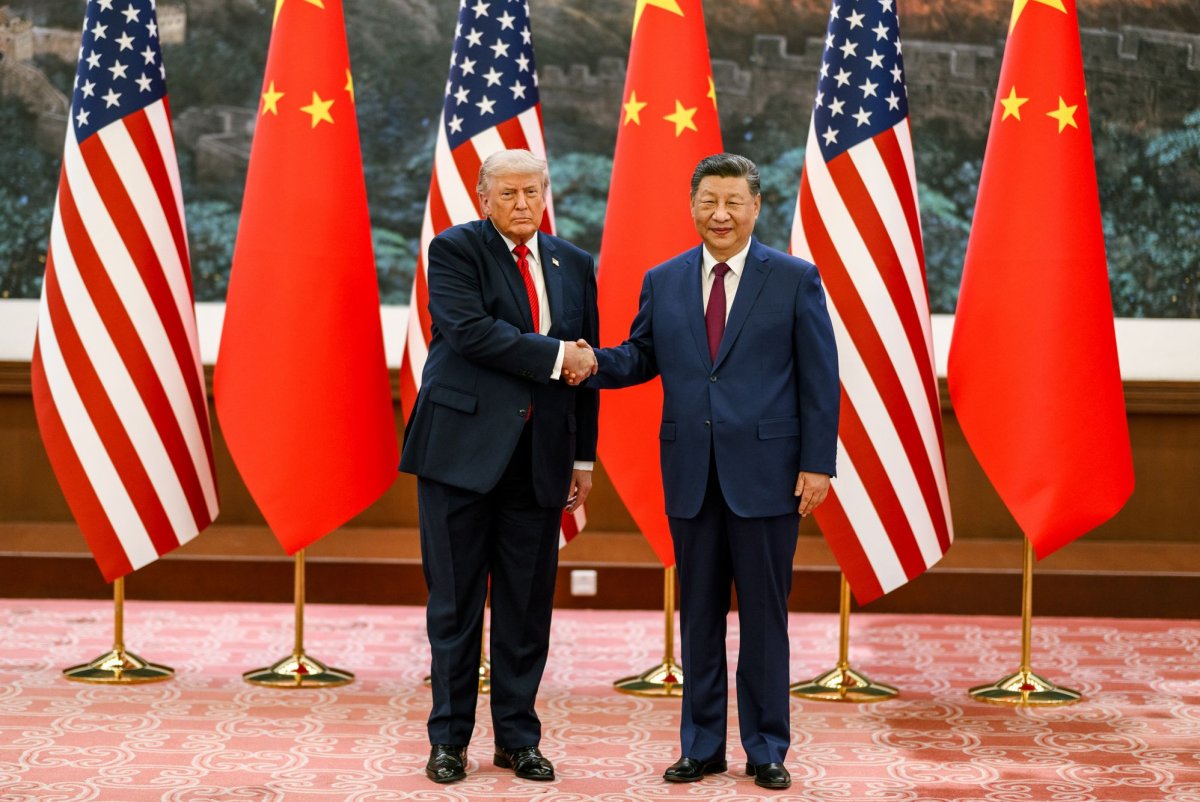
May 18 (Asia Today) — Close advisers to President Donald Trump warned after last week’s U.S.-China summit that the likelihood of China invading Taiwan within the next five years has increased, raising fears of a major disruption to global semiconductor supply chains.
The concerns were reported Saturday by Axios, citing people close to Trump following his May 14-15 summit with Chinese President Xi Jinping in Beijing.
According to the report, Trump’s advisers said the president appreciated the elaborate state reception and hospitality provided by Xi, but viewed the Chinese leader’s underlying message as far more assertive.
“One thing Xi was signaling is that China no longer sees itself as a rising power, but as an equal to the United States,” one Trump ally was quoted as saying. “And he is trying to say Taiwan belongs to China.”
The adviser added that the summit significantly increased the possibility that the Taiwan issue could move to the center of strategic negotiations within the next five years.
The person also warned that the United States remains unprepared economically for a potential Taiwan crisis because its semiconductor supply chain is still heavily dependent on Taiwan.
“There is no realistic way for us to become self-sufficient anytime soon,” the adviser said. “For CEOs and the broader economy, the most urgent issue is the semiconductor supply chain.”
The United States relies heavily on Taiwan Semiconductor Manufacturing Co. for advanced semiconductors used in artificial intelligence and other high-tech industries.
Analysts have long warned that a Chinese military move against Taiwan could severely disrupt global chip production, dealing a major blow to the U.S. economy and AI sector.
The Axios report suggested that some figures within Trump’s political circle now view the Taiwan issue as the single greatest risk factor in U.S.-China relations. Some also reportedly believe the Beijing summit increased geopolitical risks more than it produced diplomatic gains.
— Reported by Asia Today; translated by UPI
© Asia Today. Unauthorized reproduction or redistribution prohibited.
About the Author