
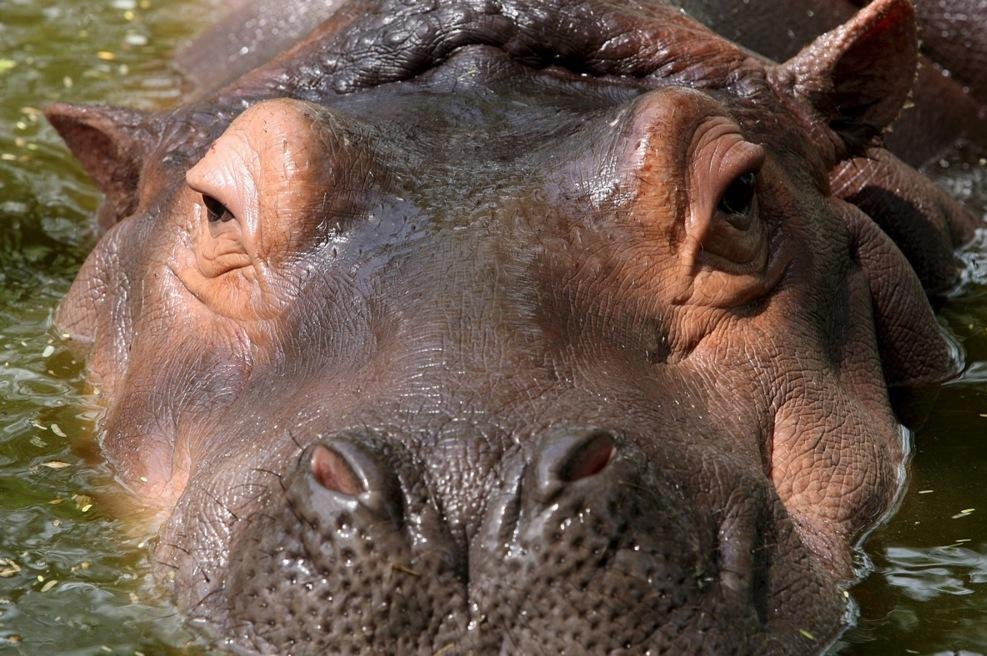
May 1 (UPI) — The government of Colombia has formally asked India to assess whether to authorize relocation of 80 hippos to a conservation center in that country as an alternative to culling part of the invasive population, the Ministry of Environment said.
The request, sent Thursday, considers possible transfer of the animals to the Vantara wildlife rescue center in the state of Gujarat, western India, which has offered to receive them.
The relocation proposal was put forward by billionaire Indian businessman Anant Ambani as an alternative to the euthanasia of some of the animals.
The decision to carry out euthanasia is part of the government’s strategy to control the growing hippo population, after authorities warned it could reach 1,000 by 2035.
“It is important to remember that the translocation of specimens not only requires the willingness of private actors, it also requires governmental environmental permits and authorizations, in strict compliance with international biodiversity conventions ratified by Colombia,” Environment Minister Irene Vélez said in a message posted on X.
The Colombian government declared hippos an invasive exotic species in 2022. The animals are descendants of a small group illegally brought into Colombia more than 30 years ago by drug trafficker Pablo Escobar for his private zoo.
After his death, the hippos were left unattended and gradually spread into nearby rivers, where they reproduced rapidly in the absence of natural predators.
Their population is currently nearing 200 individuals, raising concerns about their impact on local ecosystems and the safety of nearby communities. Although control plans have been in place since then, their implementation has so far been limited.
The plan would relocate 80 animals to the Vantara center, which already houses species such as elephants, primates and big cats, and has the infrastructure to receive rescued or relocated wildlife from other countries.
“These 80 hippos did not choose where they were born, nor did they create the circumstances they now face. They are living, sentient beings, and if we have the possibility of saving them through a safe and humane solution, we have the responsibility to try,” the initiative’s promoter said, according to reports by Infobae.
The potential relocation will depend on the assessment and approval of Indian authorities, as well as compliance with international regulations on biodiversity and wildlife transport.
Meanwhile, Colombia continues to evaluate options to manage a population that is still expanding and poses an environmental and logistical challenge for the country.
About the Author