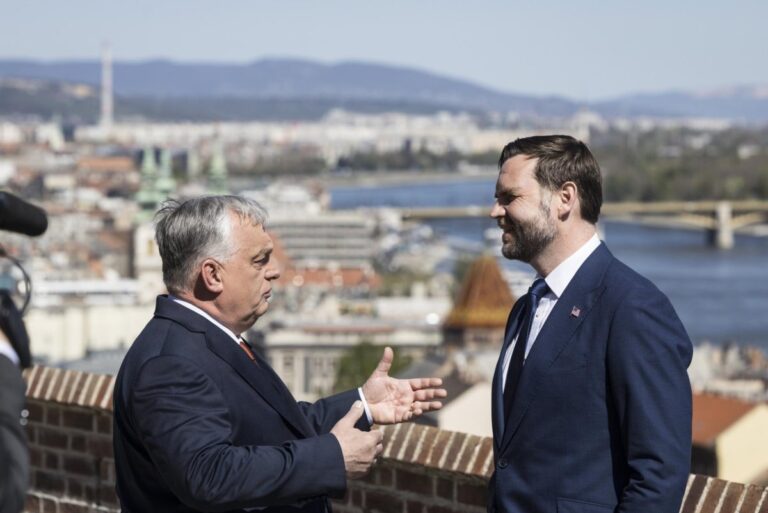
Opposition candidate Peter Magyar has claimed a historic victory in Hungary’s elections, ousting Viktor Orbán after 16 years in power.
The country took to the polls on Sunday in what Mr Magyar’s Tisza party called a “now or never” moment to topple Europe’s longest-serving leader.
Just two hours after polls closed, Mr Magyar posted on Facebook that Mr Orbán had “congratulated me on the phone on our victory”, with 45.7 per cent of the count predicting Tisza were projected to win 135 mandates in the 199-seat parliament.
Speaking to supporters in Budapest, Mr Orbán said the result was “painful” and vowed: “We are going to serve the Hungarian nation and our homeland from opposition as well.”
Pollsters predicted a record voter turnout, with Hungarian television showing long queues outside some voting stations in Budapest.
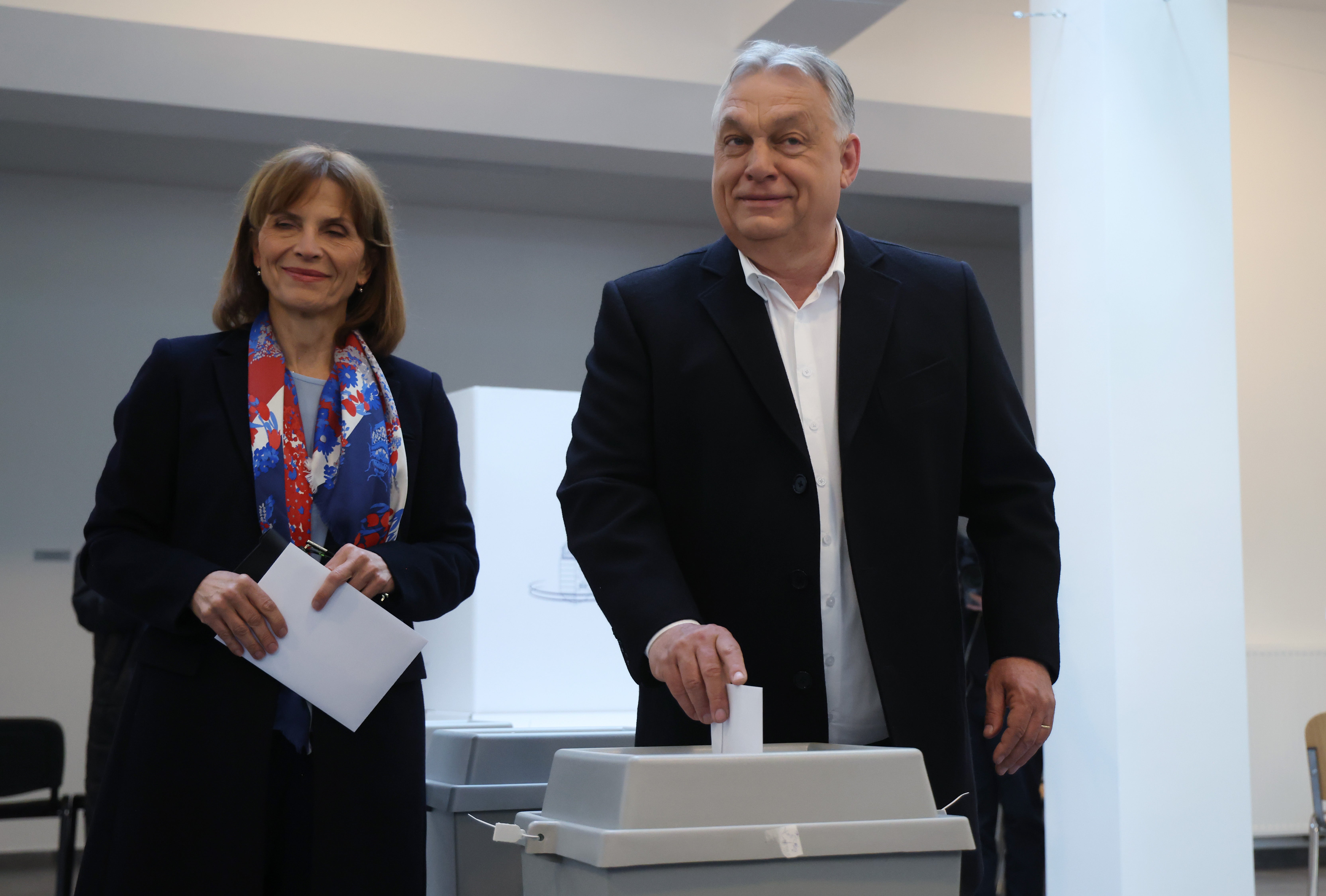
Mr Orbán, who has been in power for 16 years, is known as a conservative anti-globalist whose ties to Russia’s Vladimir Putin and the Trump administration have seen become a global figure in far-right politics.
His opponent Mr Magyar, a former Orbán loyalist, has quickly gained popularity through campaigning on frustrations over altering public health care and transportation sectors and what he describes as rampant government corruption.
Queues of voters were pictured outside polling stations across the country as record numbers of Hungarians cast their ballots.
An end to Mr Orbán’s period in government has significant implications not only for Hungary, but for the European Union, Ukraine and beyond.
It would likely spell an end to Hungary’s adversarial role inside the EU, possibly opening the way for a 90 billion euro ($105 billion) loan to war-battered Ukraine blocked by Mr Orbán.
Defeat for Mr Orbán could also mean the eventual release of EU funds to Hungary that the bloc had suspended due to what Brussels said was Orban’s erosion of democratic standards.
Mr Orbán’s exit would also deprive Russian President Vladimir Putin of his main ally in the EU and send shockwaves through Western right-wing circles, including the White House.
In Hungary, a Tisza victory could open the way for reforms that the party says would aim to combat corruption and restore the independence of the judiciary and other institutions.
Ahead of the vote, opinion polls showed Mr Orbán’s Fidesz party trailing Mr Magyar’s upstart centre-right opposition Tisza party by 7-9 percentage points, with Tisza at around 38-41 per cent. Pollsters predicted record voter turnout of well over 70 per cent.
More follows on this breaking news story….
About the Author