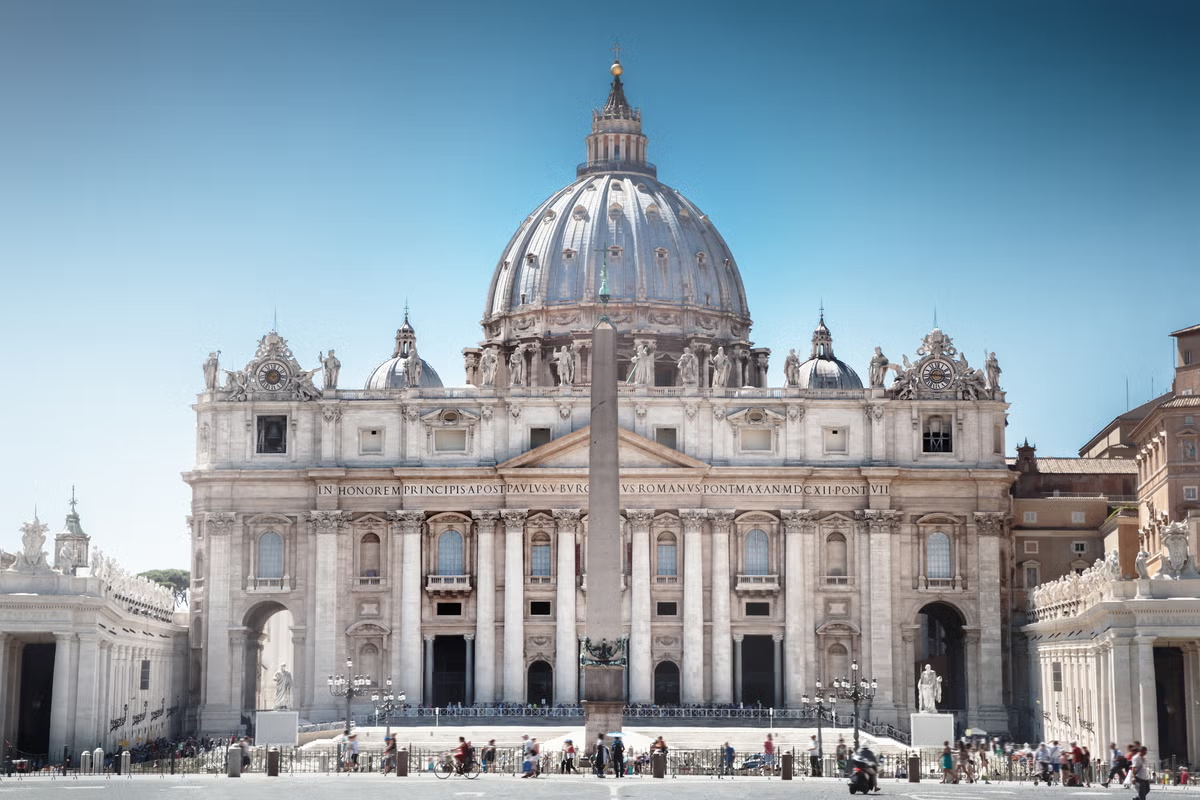
The Vatican has announced that Catholics are permitted to receive transplants of animal tissues to address medical conditions, as advancements in procedures involving genetically modified pig or cow organs continue.
An 88-page document, outlining ethical guidelines for such transplants, reaffirms earlier Church teaching, stating there is no objection to these treatments provided they follow best medical practices and avoid animal cruelty.
The guidance explicitly notes: “Catholic theology does not have preclusions, on a religious or ritual basis, in using any animal as a source of organs, tissues or cells for transplantation to human beings.”
The text addressed xenotransplantation, or the transplanting of organs or tissues from one species to another. The Vatican first greenlit such procedures in 2001, when they were in very early stages of development. Animal organ transplants for human use are still rare. The first pig-to-human kidney transplant was carried out in the United States in 2024.
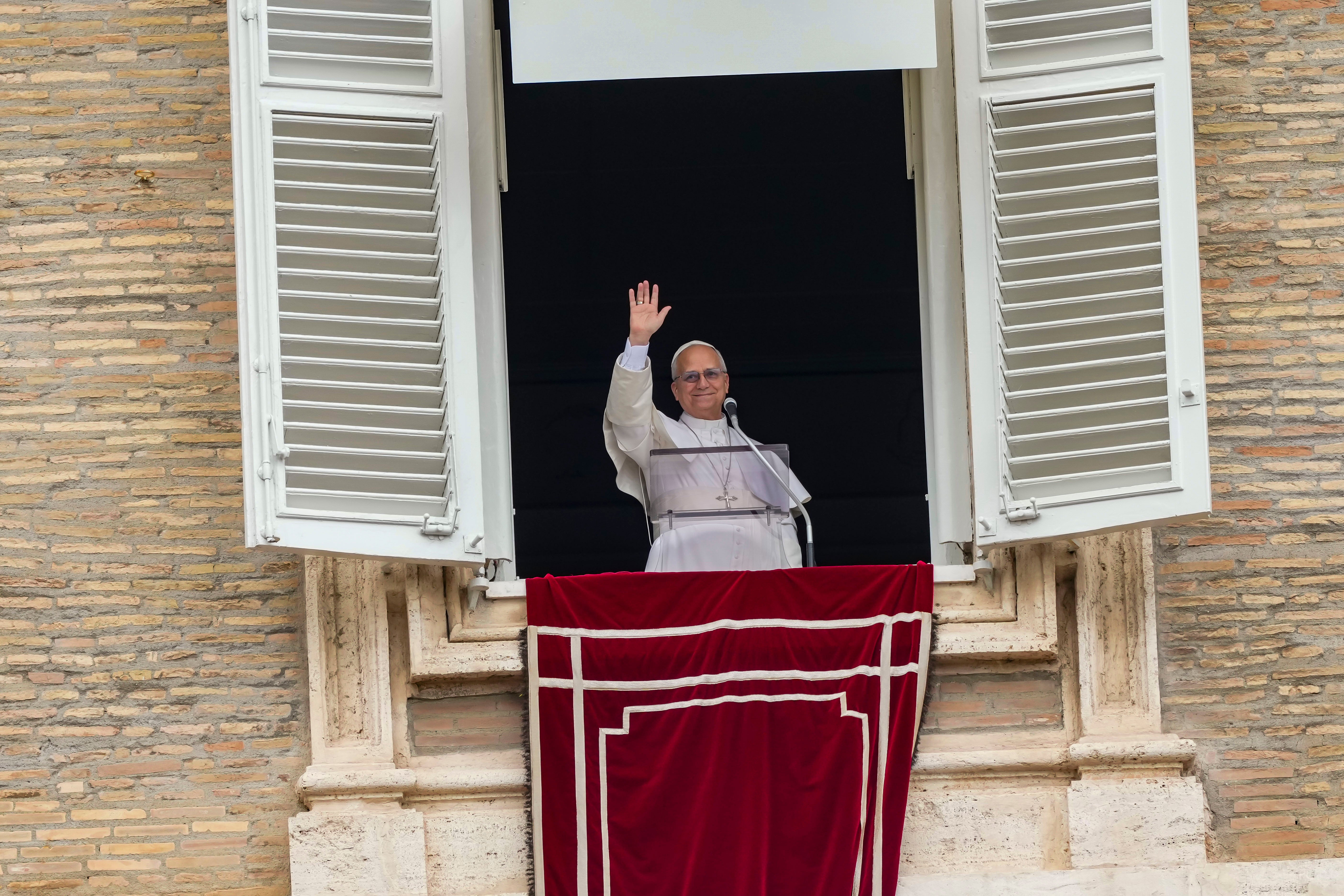
The Vatican document, which was drafted with the help of doctors from Italy, the U.S. and the Netherlands, called on scientists to pursue animal transplants in a manner that is “purposeful, proportionate and sustainable”.
It also called on doctors to disclose the risks of animal transplants, including the probability of rejection by a patient’s immune system and the possibility of causing infection from microorganisms.
In 2024, the Vatican declared sex change operations “grave threats” to human dignity, putting them on par with abortion and euthanasia as practices that violate God’s plan for human life.
The Vatican‘s doctrine office issued Infinite Dignity, a 20-page declaration that has been in the works for five years.
After substantial revision in recent months, it was approved by Pope Francis, who ordered its publication.
It distinguished between transitioning surgeries, which it rejected, and “genital abnormalities” that are present at birth or that develop later.
Those can be “resolved” with the help of health care professionals, it said.
About the Author