A federal judge has temporarily halted the Trump administration’s efforts to compel higher education institutions to provide data proving they do not consider race in admissions.
The ruling, issued by U.S. District Court Judge F. Dennis Saylor IV in Boston, grants a preliminary injunction following a lawsuit brought by a coalition of 17 Democratic state attorneys general.
This injunction will specifically apply to public universities within the plaintiff states.
While acknowledging the federal government likely possesses the authority to collect such data, Judge Saylor criticized the administration’s approach, describing the demand as having been rolled out to universities in a “rushed and chaotic” manner.
He stated, “The 120-day deadline imposed by the President led directly to the failure of NCES (National Center for Education Statistics) to engage meaningfully with the institutions during the notice-and-comment process to address the multitude of problems presented by the new requirements.”
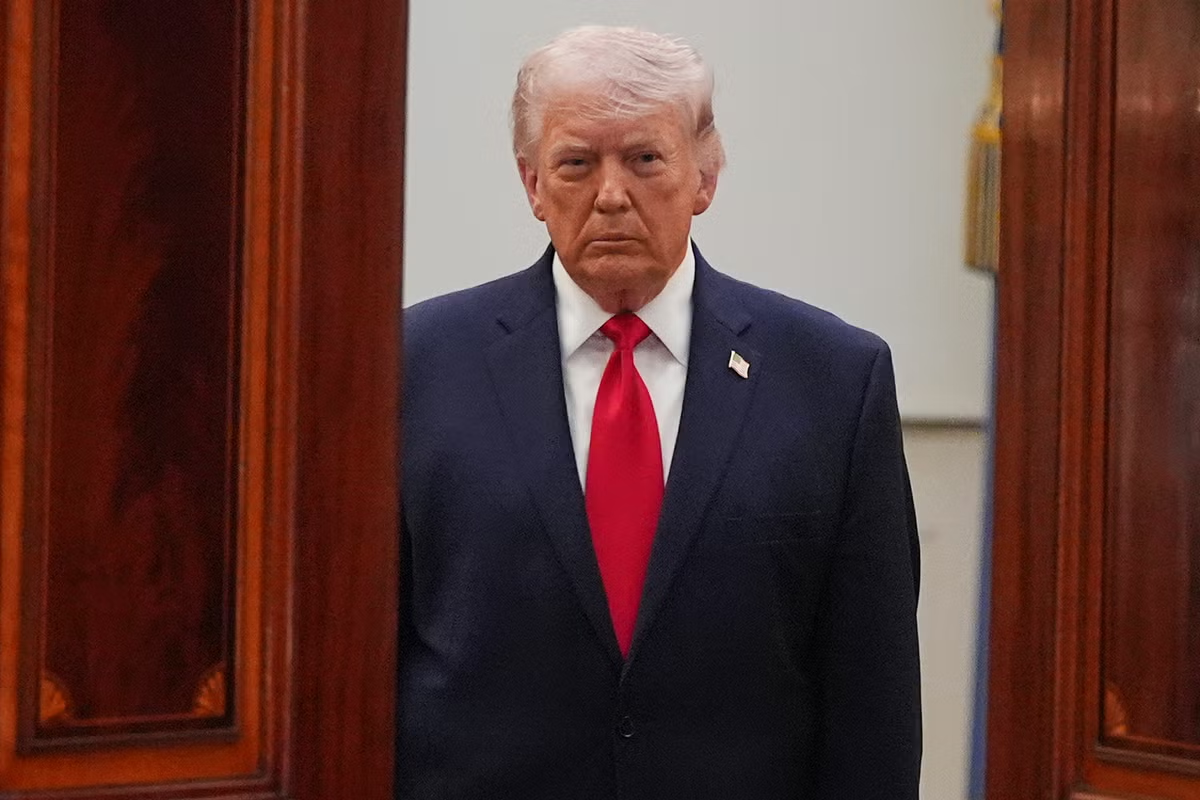
President Donald Trump ordered the data collection in August, expressing concerns that colleges and universities were using personal statements and other proxies to consider race, which he views as illegal discrimination.
This directive followed the 2023 Supreme Court decision that ruled against affirmative action in admissions but allowed colleges to consider how race has shaped students’ lives if applicants share this information in their essays.
The plaintiff argued that the data collection risks invading student privacy and could lead to baseless investigations into colleges and universities.
They also contended that institutions were not given adequate time to compile the required information. Michelle Pascucci, a lawyer for the plaintiffs, told the court, “The data has been sought in such a hasty and irresponsible way that it will create problems for universities,” suggesting the effort aimed to uncover unlawful practices.
The Education Department has defended its initiative, asserting that taxpayers deserve transparency regarding how money is spent at institutions receiving federal funding.
This policy mirrors settlement agreements previously negotiated with Brown University and Columbia University, which saw their federal research money restored after agreeing to provide the government with data on the race, grade-point average, and standardized test scores of applicants, admitted students, and enrolled students.
These schools also consented to government audits and public release of admissions statistics.
The National Center for Education Statistics was tasked with collecting the new data, including the race and sex of applicants, admitted students, and enrolled students.
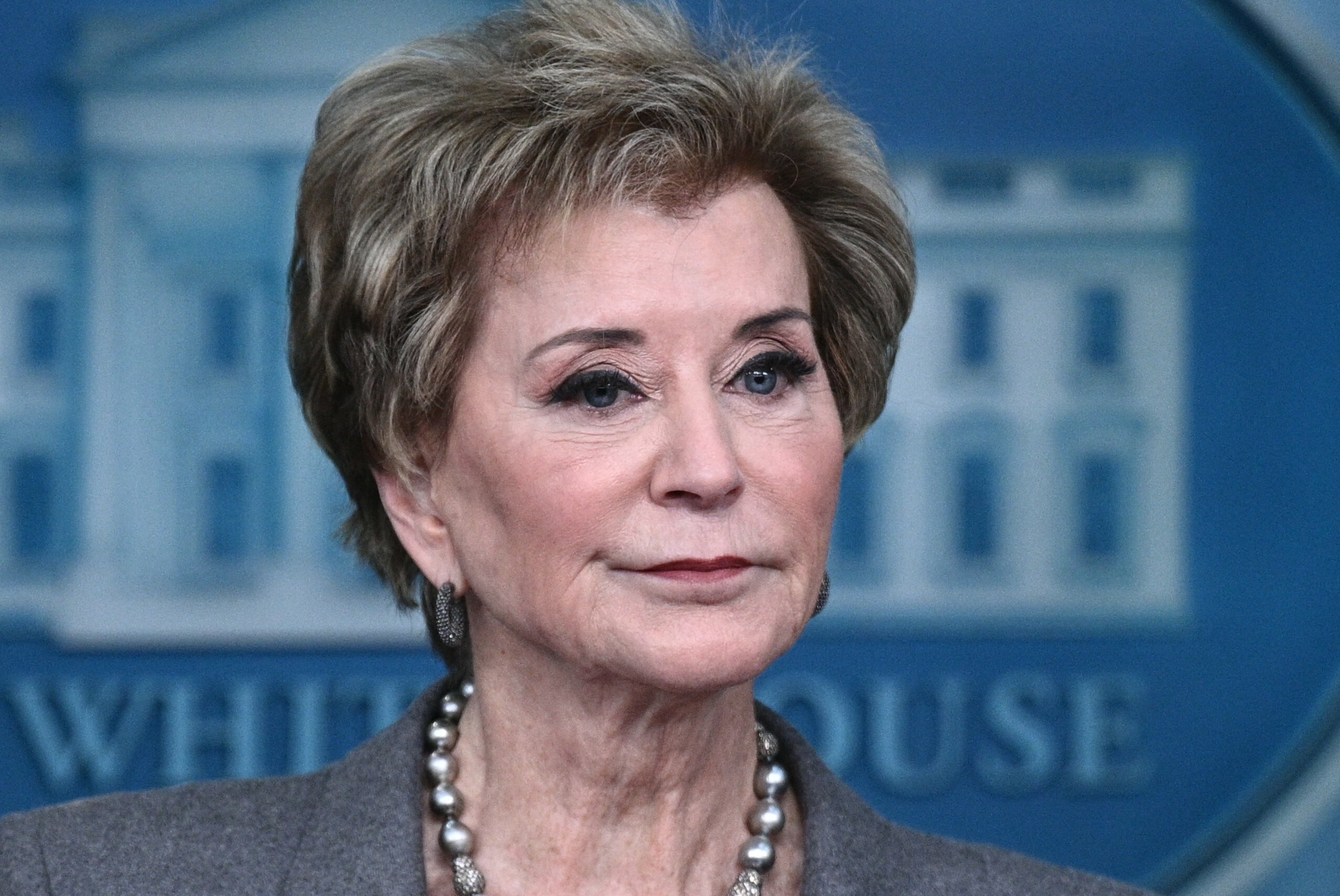
Education Secretary Linda McMahon had stated the data, originally due by March 18, must be disaggregated by race and sex and retroactively reported for the past seven years. The administration warned that failure to submit timely, complete, and accurate data could lead to McMahon taking action under Title IV of the Higher Education Act of 1965, which outlines requirements for colleges receiving federal financial aid.
Separately, the Trump administration has sued Harvard University over similar data, alleging the institution refused to provide admissions records demanded by the Justice Department to ensure it ceased using affirmative action. Harvard maintains it has been responsive to government requests and complies with the Supreme Court’s ruling.
The Education Department’s Office for Civil Rights recently directed Harvard to comply with data requests within 20 days or face referral to the U.S. Justice Department.
About the Author