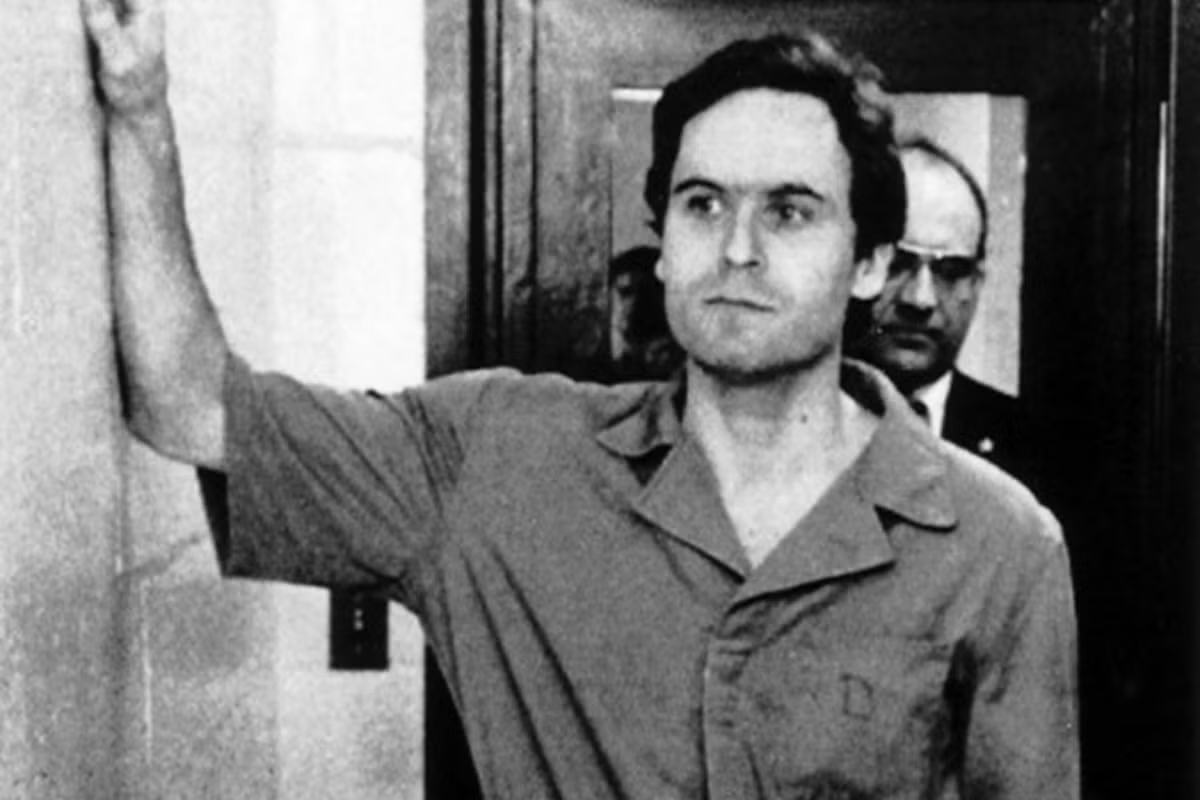
The grim tally of Ted Bundy’s victims continues to expand, nearly four decades after the notorious serial killer’s execution.
Advanced DNA testing has now definitively linked him to the unsolved 1974 death of a Utah teenager, a local sheriff confirmed this week.
Utah County sheriff’s Sgt. Mike Reynolds said that the creation of Bundy’s full DNA profile is expected to bring another cold case “close to closure” imminently.
Bundy’s violent rampage spanned at least four years, leaving a trail of devastation that included the murders of at least 30 women and girls, alongside numerous others who narrowly escaped or survived severe injuries.
Bundy is one of several prolific serial killers in United States history; others, such as Gary Ridgway, Samuel Little, and Donald Harvey, are believed to have claimed even more lives.
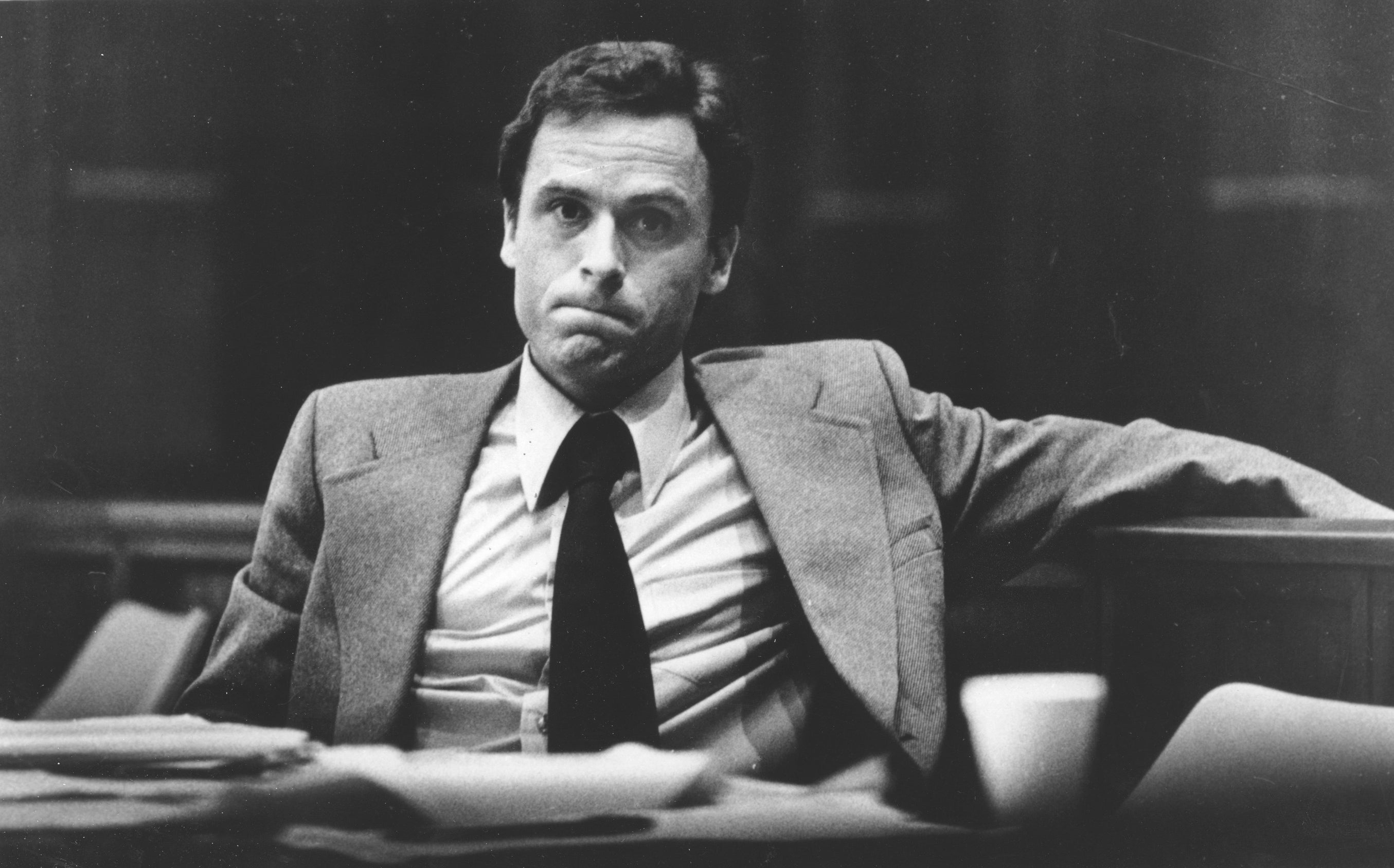
His 1979 trial garnered widespread public fascination, partly due to his perceived charm and handsome appearance. Here is what to know about Bundy and his crimes.
He targeted young women
It’s unknown when Bundy first began his attacks, but the deaths linked to him began in Washington state in 1974. He had grown up in Tacoma, Washington, and many of his earliest known violent crimes happened around Seattle.
An 18-year-old University of Washington student was sleeping in her home near the Seattle campus in January 1974 when someone broke in and attacked her, leaving her with a fractured skull. She survived but with permanent injuries. Bundy was believed to be responsible for the crime, which fit a pattern he established in later years, often breaking into young women’s homes, bludgeoning and sexually assaulting them, and either leaving them to die or dumping their bodies elsewhere.
The next month, Lynda Ann Healy, another University of Washington student, vanished from her home. A small bit of blood was found on her bedding, and her remains were found the next year on Taylor Mountain, a remote area outside a neighboring city. The remains of some of Bundy’s other victims were also found at the same site.
Over the next few months, other women were also abducted from Washington state and Oregon. In some of the cases, witnesses saw the women talking to a man who was wearing an arm sling.
By October, teen girls in Utah were also vanishing. The body of 17-year-old Melissa Anne Smith was found on a hillside in Summit Park, Utah, and her head had been beaten with a crowbar.
Carol DaRonch, an 18-year-old, was snatched by Bundy when he claimed to be a police officer investigating car break-ins. But she survived by jumping out of his car after he tried to handcuff her. DaRonch’s testimony would later be instrumental in putting Bundy behind bars.
Bundy continued killing throughout the next year in Utah, Colorado and Idaho.
He escaped custody twice
Bundy was arrested for the first time in connection with the disappearances August 1975, when police pulled him over and found incriminating items including rope, handcuffs and a ski mask, in his vehicle.
He was found guilty the following year of kidnapping and assaulting DaRonch. Bundy was sentenced to 15 years in prison for that crime, and while imprisoned he was charged in connection with the earlier death of a nursing student.
He was brought to Aspen, Colorado, for a hearing in that case in 1977, and he escaped custody by climbing out a second-story courthouse window. He was caught about a week later, but escaped again six months later by breaking through the ceiling of a jail.
That time Bundy fled across the country, eventually making his way to Tallahassee, Florida. On Jan. 15, 1978, he entered the Chi Omega sorority house at Florida State University, bludgeoning two women to death with a large branch and leaving two more badly injured. He then went to another house nearby, badly injuring another sleeping woman.
Less than a month later, he abducted, sexually assaulted and killed a 12-year-old girl in Lake City, Florida. Kimberly Leach was believed to be his final victim: Bundy was arrested when he was pulled over in Pensacola while driving a stolen vehicle.
Bundy was seen as a ‘bright young man’
Bundy’s case, and his self-assured attitude in court, drew widespread attention during his 1979 trial for the Chi Omega murders.
“I don’t know what it is he has, but he’s fascinating,” one teenage spectator told an AP reporter covering the trial. “He’s impressive. He just has a kind of magnetism.”
Even the judge presiding over the trial said Bundy was a “bright young man” who would have made a good lawyer. But Judge Edward Cowart also recognized Bundy as a horrifically violent killer and sentencing him to die for “extremely wicked, shocking evil and vile” crimes.
Bundy was executed on Jan. 24, 1989 by electric chair in Florida. He gave a series of confessions in his final days, including to some crimes that were previously unknown to police. Not all of those cases have been confirmed.
DNA linked Bundy to latest victim
New DNA testing confirmed that more than 50 years ago, Bundy also killed 17-year-old Laura Ann Aime.
Aime went missing in Utah on Halloween night in 1974, and her body was found a month later on the side of a highway. Authorities believed she had been kept alive for several days after her abduction.
Bundy had long been a suspect in the case, but there wasn’t enough evidence to charge him while he was alive. Luckily, the evidence from the case was carefully preserved, and advancements in DNA forensic technology eventually allowed investigators to extract a DNA profile to match Bundy and officially close Aime’s case.
About the Author