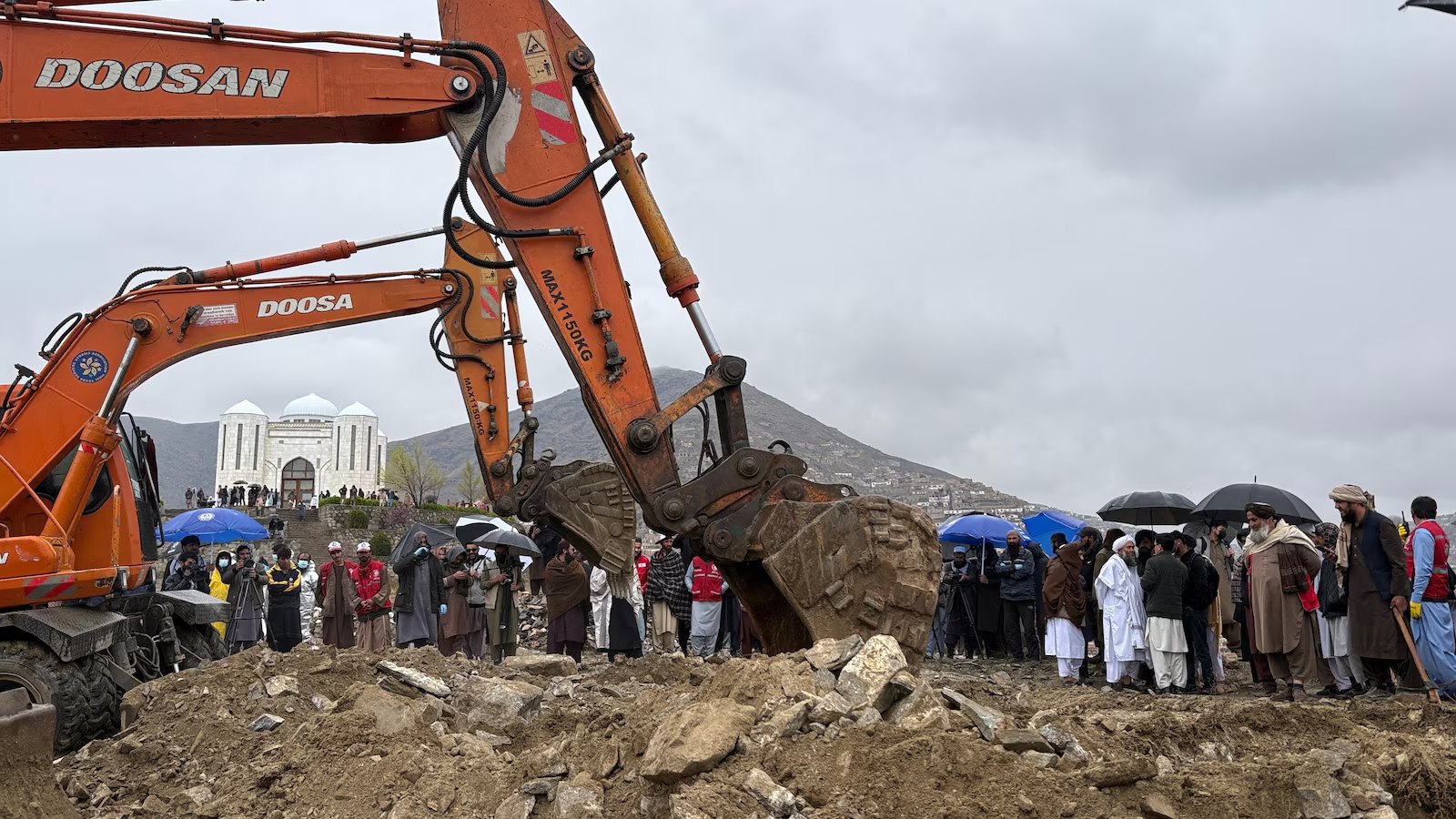
KABUL, Afghanistan — Bulldozers dug pits in a cemetery in the Afghan capital ahead of a mass funeral Wednesday for some of the victims of what officials have said was a Pakistani airstrike that hit a drug rehabilitation hospital in Kabul earlier this week.
The strike was the deadliest in an escalating conflict between the two neighbors, now in its third week. Afghan officials have put the death toll at 408 people, with 265 wounded. The toll could not be independently verified.
Pakistan rejects Afghanistan’s accusation that it targeted the Omid Addiction Treatment Hospital, insisting its strikes in Kabul and eastern Afghanistan Monday had been against military facilities. It has dismissed Afghan claims of hundreds of casualties as propaganda.
In an interview with The Associated Press in Islamabad Wednesday, Pakistan’s Information Minister Attaullah Tarar said Pakistan had “only targeted terrorist infrastructure.”
“We have just gone after the Afghan Taliban regime, their military setups, their terrorist infrastructure, and all the setups which are supporting or promoting terrorists,” Tarar said.
The conflict between Afghanistan and Pakistan has seen repeated cross-border clashes as well as airstrikes inside Afghanistan, including several in the capital, since it began in late February, despite international calls for a ceasefire.
Pakistan accuses Afghanistan of providing a safe haven for militants who carry out attacks inside Pakistan, especially for the Pakistani Taliban. The group is separate but closely allied with the Afghan Taliban, who took over Afghanistan in 2021 in the wake of the chaotic withdrawal of U.S.-led troops. Kabul denies the charge.
On Wednesday, light rain fell as ambulances lined up outside the cemetery and began unloading plain wooden caskets. The mass funeral was for victims who were from the province of Kabul and whose bodies had already been identified. Victims from elsewhere in Afghanistan would be transported to their home provinces for burial, authorities said.
The 2,000-bed Omid hospital was hit at around 9 p.m. on Monday. It had been renamed and expanded in size roughly a year ago from a previously existing treatment facility as part of the Taliban government’s efforts to stamp out a significant drug addiction problem in the country.
Afghanistan’s vast poppy fields have been the source of much of the world’s heroin, and that, in combination with decades of conflict and widespread poverty, has fueled drug addiction that the country’s current rulers have vowed to combat.
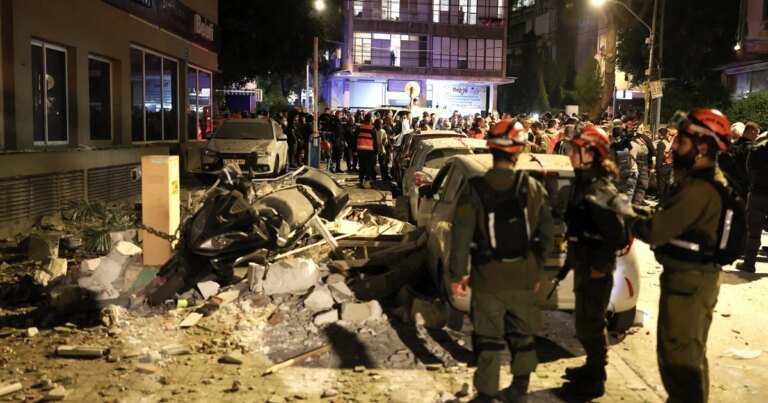
The site, near Kabul’s international airport, is adjacent to a former NATO military base, Camp Phoenix, where U.S. forces used to train the Afghan National Army. It wasn’t immediately clear what was now housed at the site. The strike caused an intense fire at the hospitals, with footage from local television showing rescue crews combing through the wreckage with flashlights late into Monday night as firefighters struggled to extinguish the blaze.
Tarar said Pakistan’s strikes “have been very precise and these strikes were carried out in an ammunition depot in Kabul. In the aftermath of which, we saw fumes and flames in the atmosphere in Kabul.”
He said the subsequent loss of life, which he did not quantify, occurred “because there was ammunition, there were technical equipment, there were arms there in that depot.”
Bodies were still being pulled from the smoldering remains of the hospital on Tuesday morning.
Afghan government spokesperson Zabihullah Mujahid condemned the strike, accusing Pakistan of “targeting hospitals and civilian sites to perpetrate horrors.” He said those killed were “innocent civilians and addicts.”
The fighting, the most severe between the two neighbors, began in late February after Afghanistan launched cross-border attacks in response to Pakistani airstrikes. The clashes disrupted a ceasefire brokered by Qatar in October, after earlier fighting killed dozens of soldiers, civilians and suspected militants.
Pakistan has declared it’s in “open war” with Afghanistan last month. The conflict has alarmed the international community, particularly as the area is one where other militant organizations, including al-Qaida and the Islamic State group, still have a presence and have been trying to resurface.
___
Ahmed reported from Islamabad. Associated Press writer Elena Becatoros contributed from Athens, Greece
About the Author