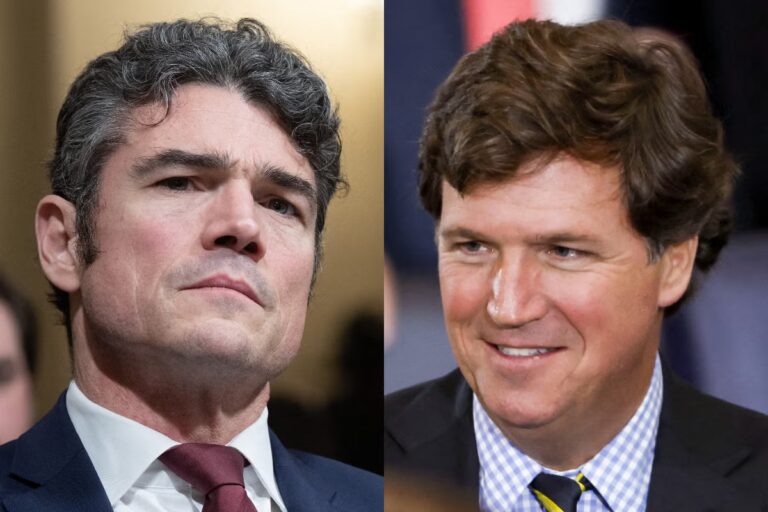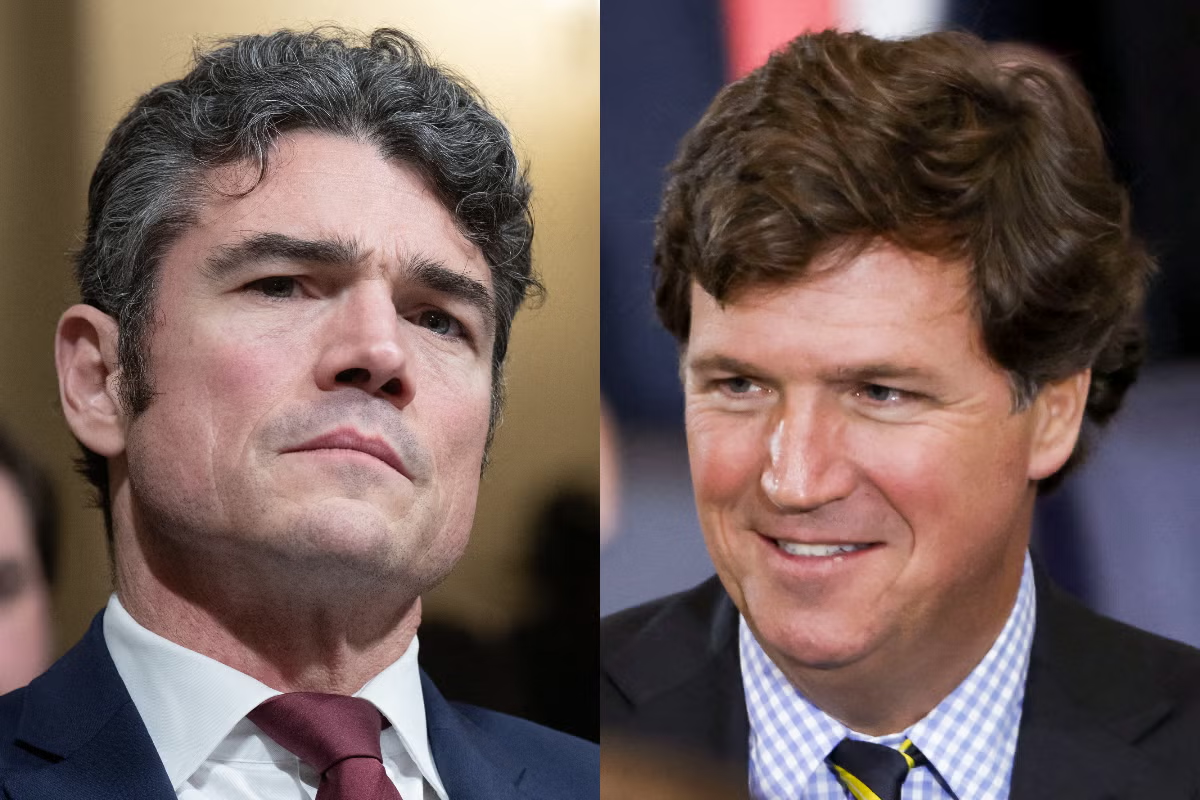
One day after he resigned in protest of the Iran war, President Donald Trump’s former counterterrorism chief, Joe Kent, placed the blame for the conflict squarely on Israel and stated that Tehran was nowhere close to developing a nuclear weapon.
“The Israelis drove the decision to take this action, which we knew would set off a series of events, meaning the Iranians would retaliate,” Kent, who served as the director of the National Counterterrorism Center, told Tucker Carlson on Wednesday. The Israeli government “felt emboldened” that they could launch the war, and that the U.S. would “just have to react,” he said.
Carlson — who has described the war as ‘‘absolutely disgusting and evil” — asked Kent whether the regime was on the verge of creating a nuclear bomb.
“No. They weren’t three weeks ago when this started, and they weren’t in June either,” he said, referring to the U.S. military’s June 22 strikes on Iranian nuclear sites.
He added that the Iranian government has had a fatwa — or edict — in place since 2004 that bars them from developing a nuclear weapon. “We had no intelligence to indicate that fatwa was being disobeyed,” he told Carlson, describing the Iranian strategy as “actually pretty pragmatic.”
.jpeg)
The killing of Supreme Leader Ayatollah Ali Khamenei also only served to embolden his hardline supporters, Kent claimed. “I don’t think the ayatollah feared dying. Not because he’s some crazy lunatic, but because he knew if he was killed the regime would survive,” he said.
The Independent has reached out to the White House for comment about the new interview.
Kent resigned from the administration on Tuesday over his opposition to “the ongoing war in Iran” in a post on X that quickly went viral, drawing more than 93 million views.
“Iran posed no imminent threat to our nation,” Kent said. “And it is clear that we started this war due to pressure from Israel and its powerful American lobby.”
Kent, an Oregon native who spent 20 years in the U.S. Army, said he supported the policies the president campaigned on but now feels Trump was duped into backing a “disastrous” decision that echoes the Iraq war.
“As a veteran who deployed to combat 11 times and as a Gold Star husband who lost my beloved wife Shannon in a war manufactured by Israel, I cannot support sending the next generation off to fight and die in a war that serves no benefit to the American people,” he added.
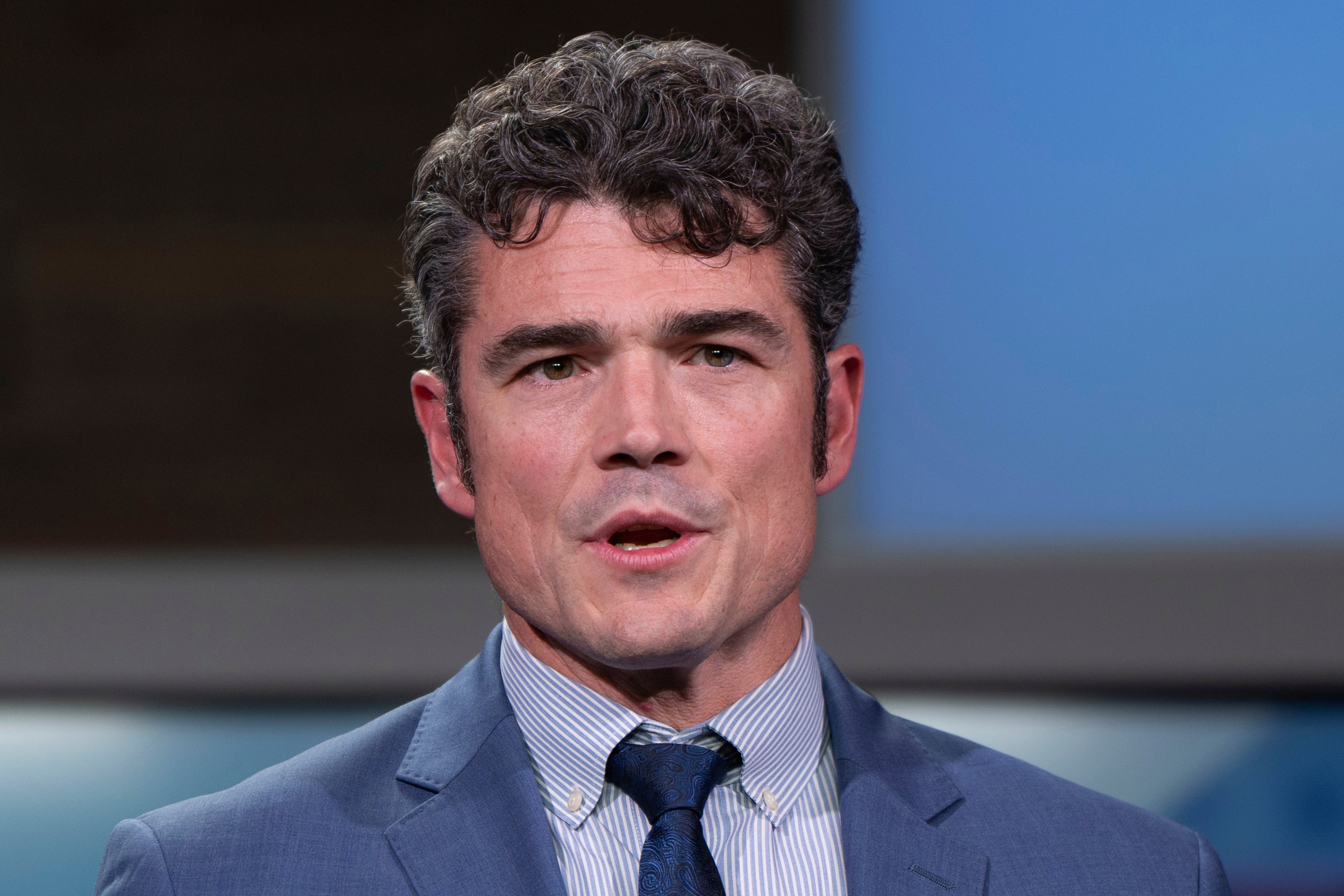
His departure — which made him the highest‑ranking official to step down over the war in Iran — reportedly caught Trump’s advisers off guard. But it was swiftly dismissed as inconsequential by the White House.
On Tuesday, Trump told reporters that after reading the letter, he “realized that it’s a good thing that he’s out.” The next day, White House Press Secretary Karoline Leavitt called the episode “laughable” and “insulting” and moved to downplay Kent’s significance.
“It’s been a while since the president has seen him here at the White House,” she said. “This was an individual who was not involved in any of the discussions pre-operation and throughout this operation.”
At an event in Michigan on Wednesday, Vice President JD Vance told supporters that he knows and likes Kent. But, he said policy disagreements should be set aside once the president has decided on a course of action.
Some in MAGA world, though, have expressed fervent support for Kent.
Former Georgia Rep. Marjorie Taylor Greene — who has staunchly opposed the Iran war — characterized him as a “GREAT AMERICAN HERO.”
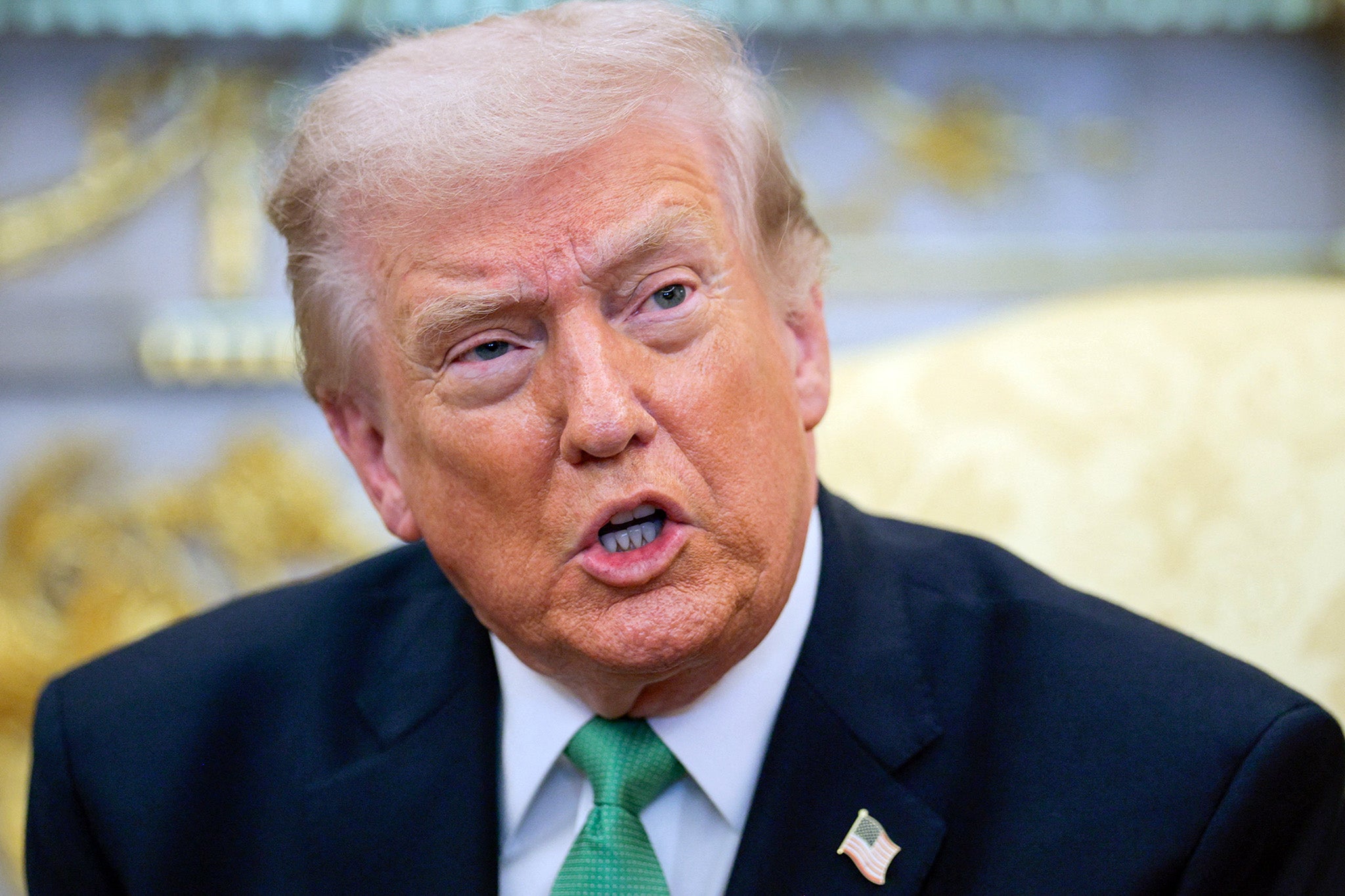
Kent’s resignation comes as the war in Iran — launched jointly by the U.S. and Israel on February 28 — has now stretched into its third week. The conflict has engulfed the broader Middle East region, with strikes reported in Israel, Qatar, Kuwait, Azerbaijan, Jordan, and Saudi Arabia.
At least 1,200 Iranian civilians have died, and more than 10,000 have been injured, according to the country’s health officials. Thirteen U.S. service members have been killed, and more than 140 have been wounded, the Pentagon has said.
The war — which shows no signs of abating — has also sparked fears of global economic upheaval, as tanker traffic through the Strait of Hormuz has ground to a halt, pushing oil prices above the $100‑a‑barrel mark several times in recent weeks.
Recent polls indicate that more Americans oppose the conflict in Iran than support it.
Fifty-three percent of voters are against the U.S. military action against the Middle East nation, while 40 percent support it, according to a Quinnipiac survey released on March 9.
About the Author