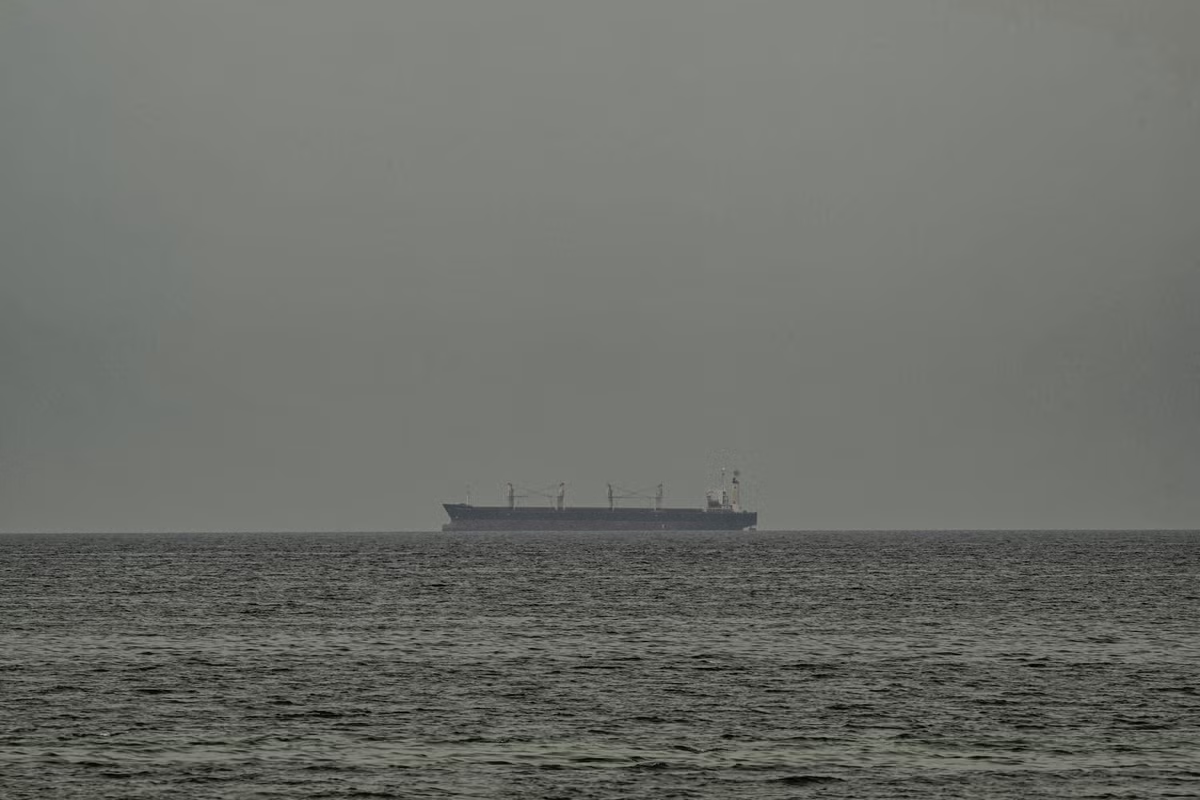
The US has begun a blockade of all ships entering and exiting Iranian ports after warning “all vessels” were at risk of diversion and capture.
Shortly after the blockade began at 2pm UTC, US president Donald Trump said on Truth Social: “If any of these ships come anywhere close to our BLOCKADE, they will be immediately ELIMINATED.”
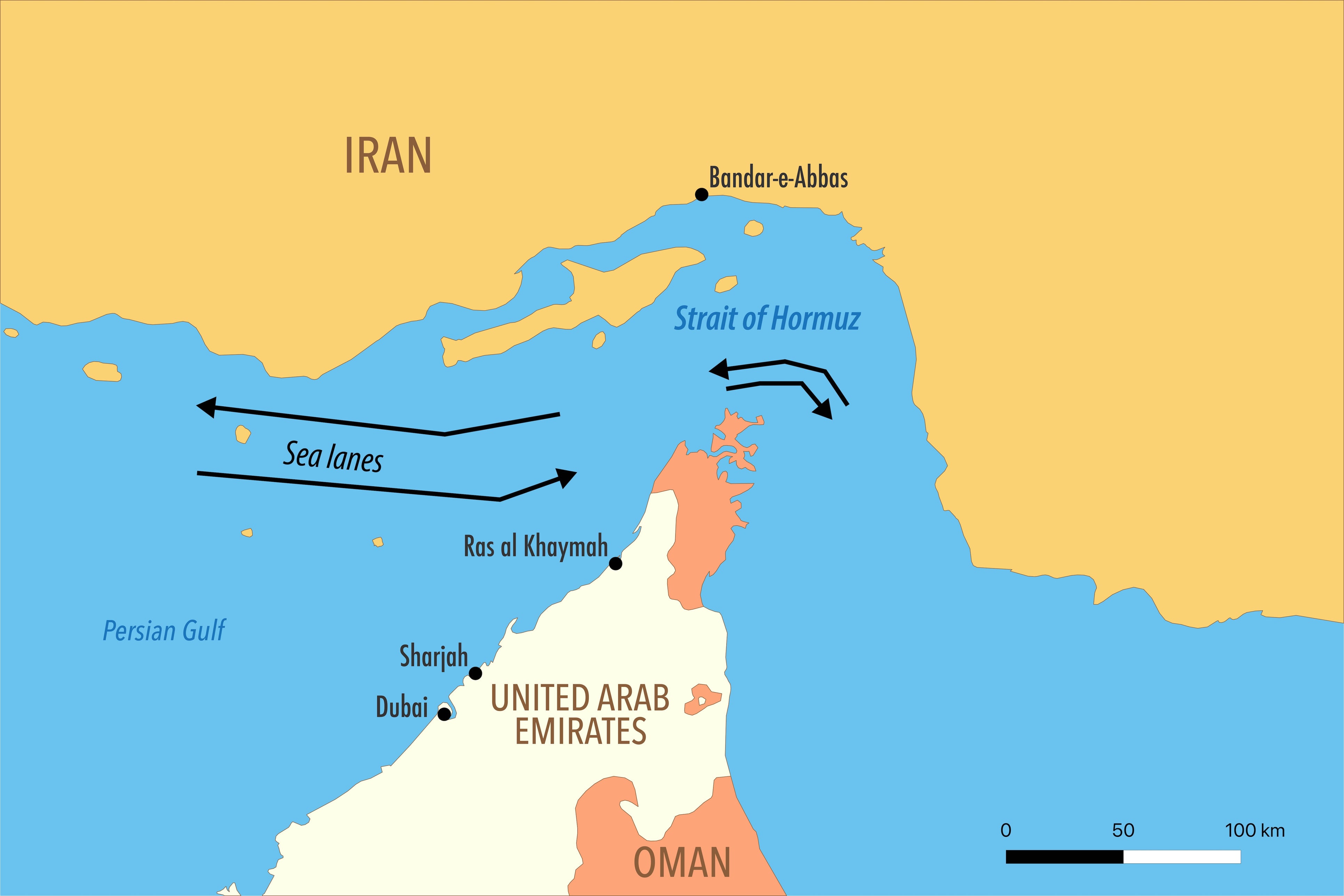
US Central Command (CENTCOM) said earlier on Monday it would enforce a blockade in the Gulf of Oman and Arabian Sea east of the Strait of Hormuz that would apply to all vessels, regardless of flag.
In a note to seafarers, they said that any vessel entering or departing the blockaded area without authorisation would be “subject to interception, diversion and capture”.
“The blockade will not impede neutral transit passage through the Strait of Hormuz to or from non-Iranian destinations,” it said.
They added that the blockade would encompass “the entirety of the Iranian coastline to include but not limited to ports and oil terminals”.
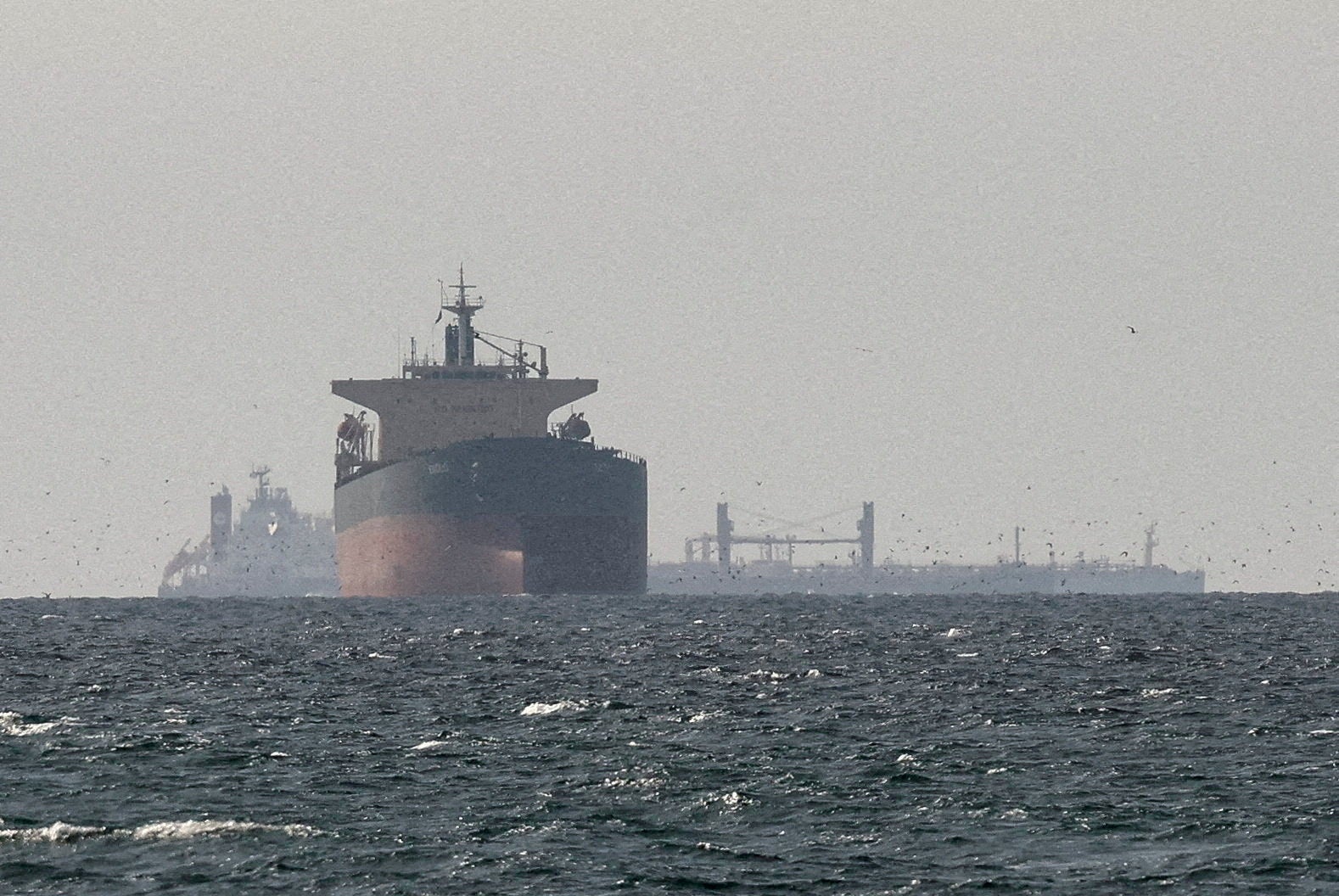
However, it said humanitarian shipments including food, medical supplies, and other essential goods would be permitted “subject to inspection”.
Nato and other US allies, including the UK, have refused to join the blockade.
“From 14:00 UTC on Monday, access restrictions are being enforced affecting Iranian ports and coastal areas, including locations along the Gulf, Gulf of Oman, and Strait of Hormuz”, according to the United Kingdom Maritime Trade Operations agency.
“Access restrictions apply without distinction to vessels of any flag engaging with Iranian ports, oil terminals, or coastal facilities,” it added.
Amid reports Tehran has been charging vessels up to $2m to pass through the Strait, Trump warned on Sunday the US Navy would “interdict” any ship that had paid a toll to Iran.
“No one who pays an illegal toll will have safe passage on the high seas,” the US president said.
It comes after weekend talks between Iran and the US in Islamabad failed to reach a breakthrough.
Vice President JD Vance, the leader of Washington’s delegation to Pakistan, said on Sunday, “We just could not get to a situation where the Iranians were willing to accept our terms.”
Tehran described the negotiations as being “full of mistrust and suspicion.”
The talks marked the highest-level negotiations between the US and Iran since the 1979 Islamic Revolution. Neither side mentioned the possibility of future dialogues.
Key points of divergence include the US demand that Iran immediately reopen the Strait of Hormuz and forfeit its ability to enrich uranium, both demands Tehran ardently reject.
The US blockade is expected to see oil return to the higher prices seen earlier in the US-Iran conflict after falling upon last week’s the ceasefire announcement.
Addressing the House of Commons shortly after the blockade began, UK prime minister Kier Starmer referred to the blockade as a lesson to learn from with regards to energy.
“The Strait of Hormuz is a chokepoint for oil and gas getting to the international market, that’s pushed the price up, that’s being reflected in every household. That’s why the only way to take control of our energy bills to go faster on energy independence,” said Mr Starmer.
French president Emmanuel Macron announced in a post on X on Monday that, alongside Britain, it would host talks this week aimed at creating a “peaceful multinational mission” to restore “freedom of navigation in the strait.”
More follows on this breaking story….
About the Author