Bent on regime change by attacking Iran from the air, Israel and America failed to plan for a war beyond bombing, but Tehran has spent decades preparing to frustrate exactly the kind of conflict it is now enduring.
Iran’s regime has a system known as the “mosaic defence”, which has been implemented for battlefield decision-making, counter attacks and state oppression.
Tehran knew that Israel planned to lead American attempts to destroy its theocracy by using its staggering levels of air power.
The result, nearly three weeks into the air war against Iran, is that its headless government lives on.
It has been planning for the moment when Iran’s leadership was, literally, wiped out and decapitated with a system to devolve, delegate and disperse its decision-makers.
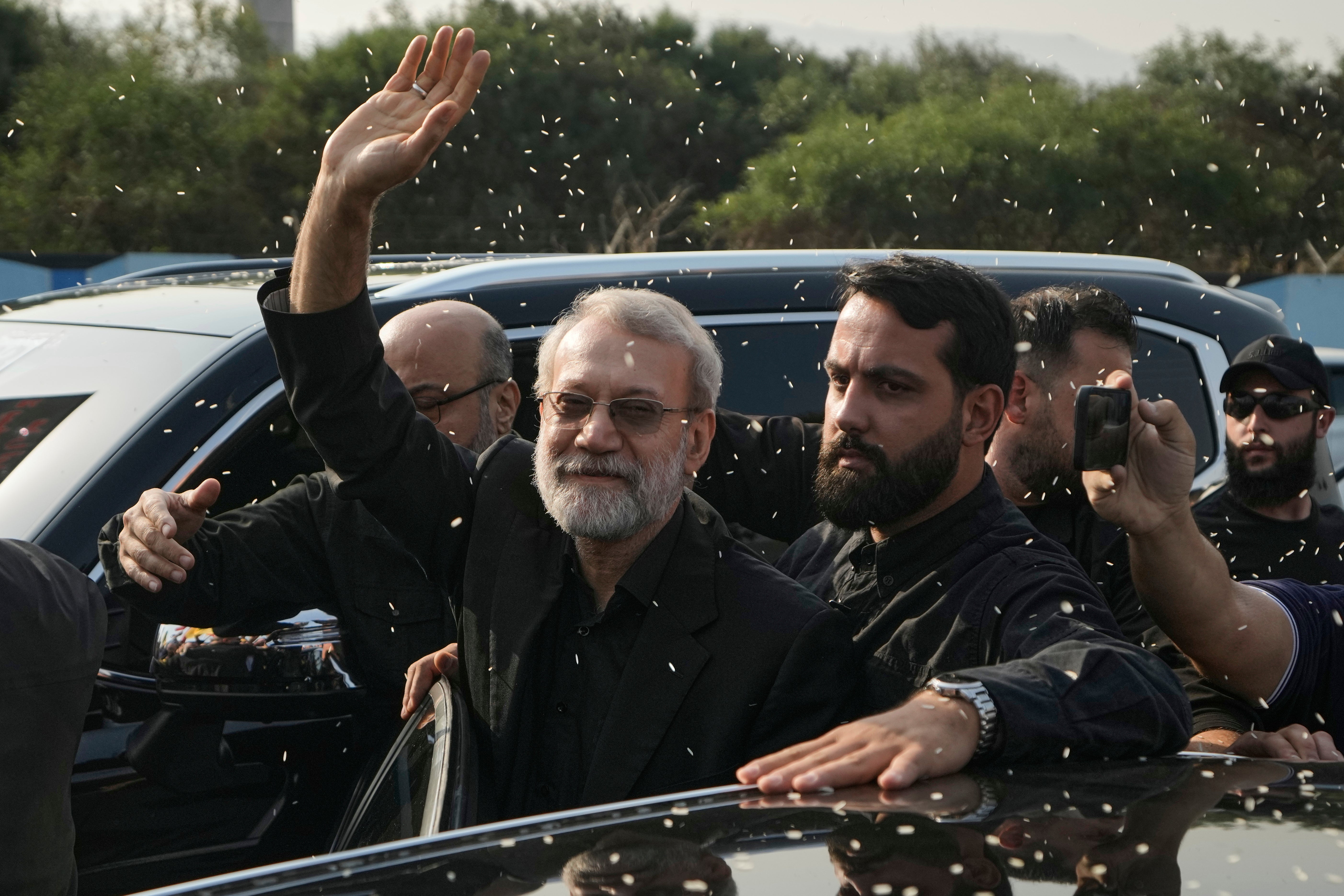
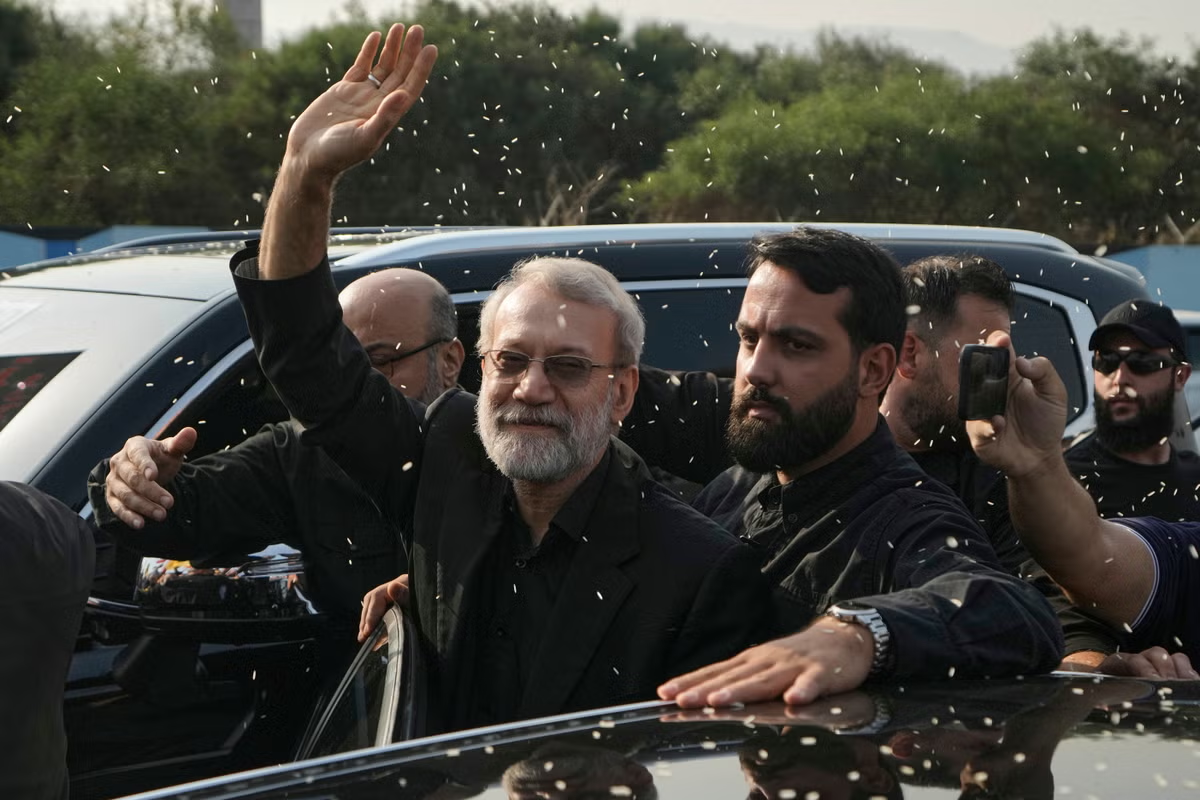
Its relative success is shown by the continued, though reduced, attacks by Iran on its neighbours and US bases in the Gulf and its ability to strangle the Strait of Hormuz, even though supreme leader Ali Khamenei has been killed, as well as Ali Larijani, who as secretary of the supreme national security council led Iran’s systems of state oppression.
The doctrine of “mosaic defence” has its routes in the cell structures of resistance movements and terrorist organisations going back to the Second World War.
The principle is that the chain of command can survive its links being broken because each link is an autonomous self-regulating and motivating entity.
Local leaders are given the authority, capacity and, above all, inviolable orders that they must continue to act.
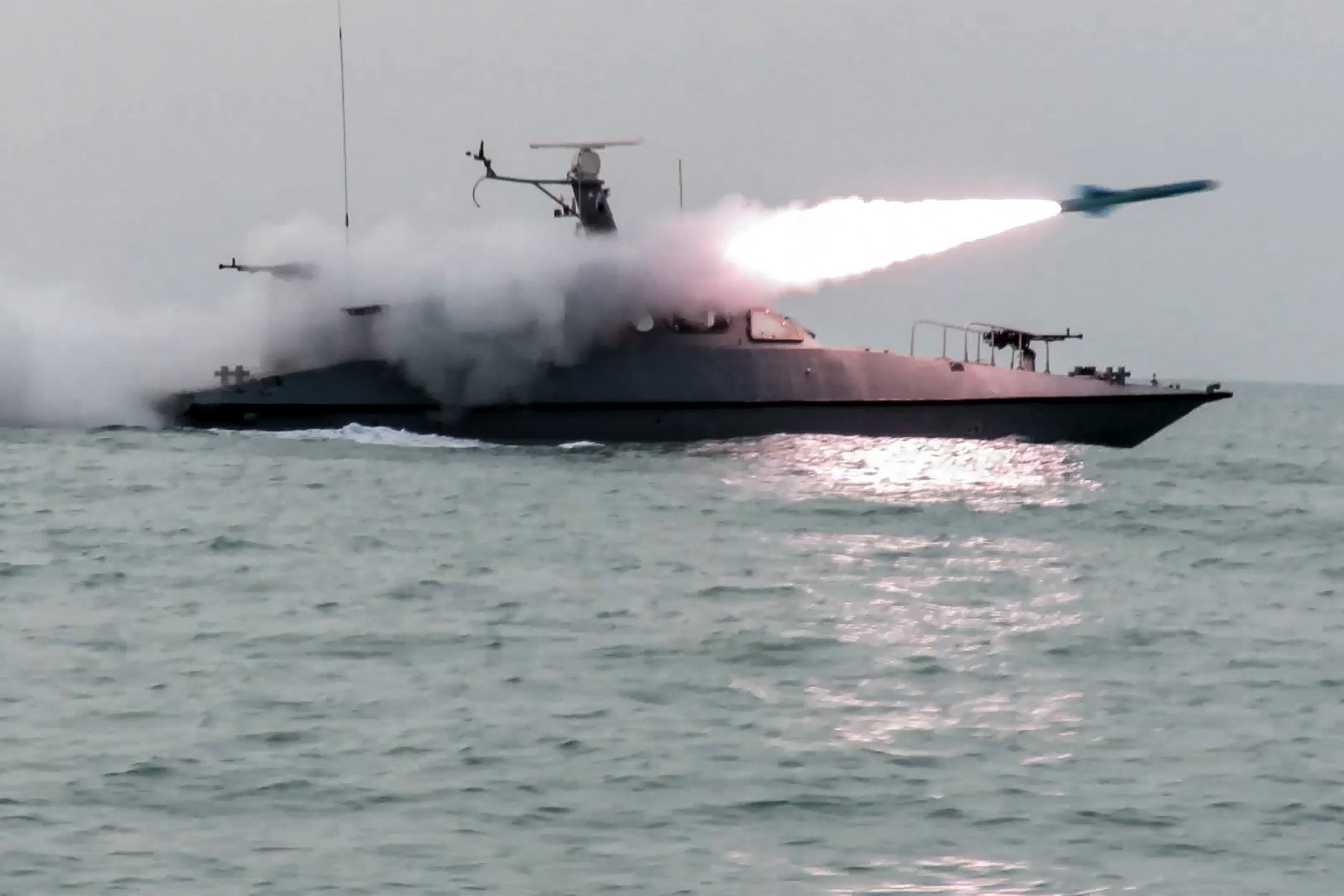
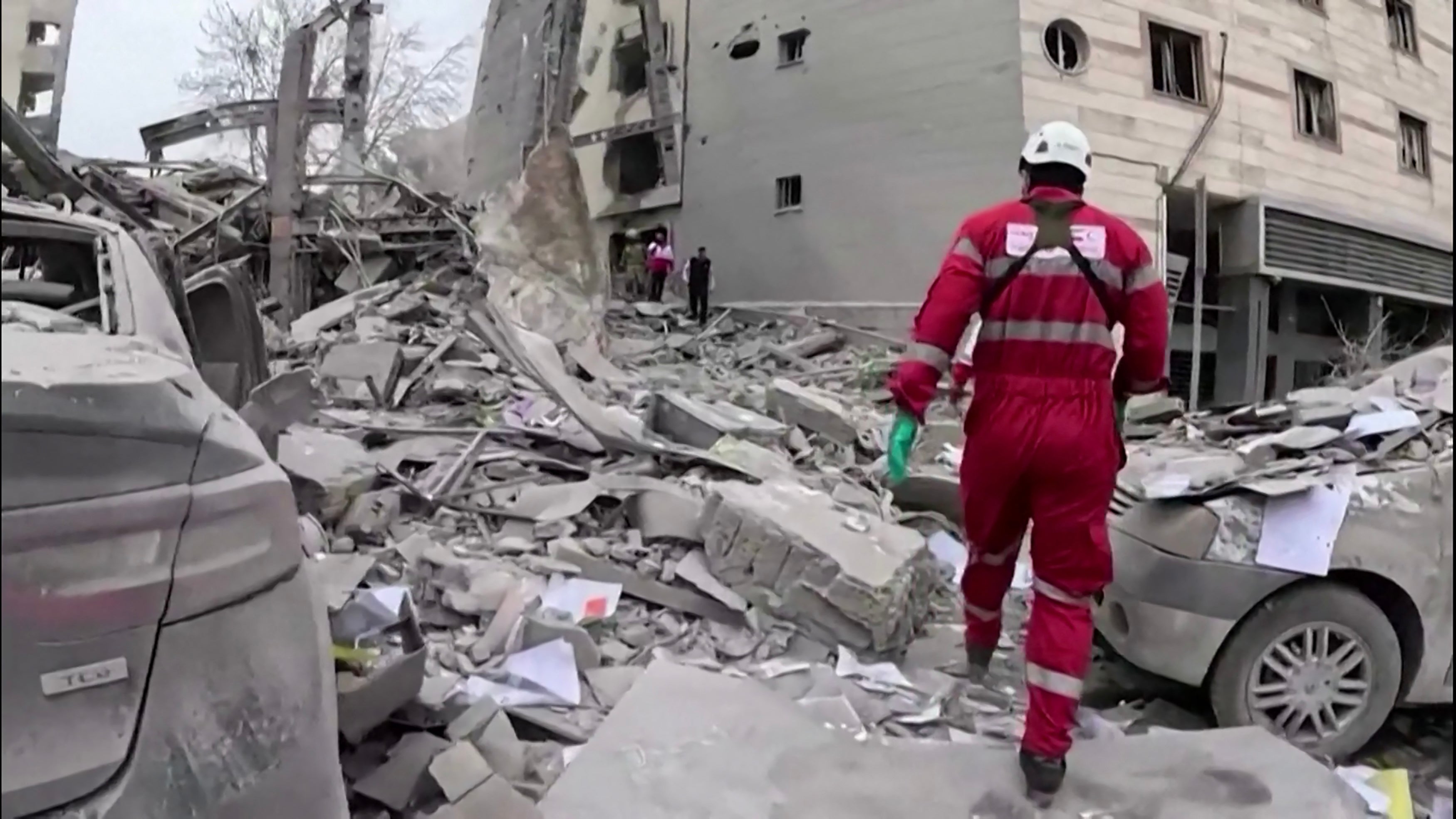
As a result, more than 4,000 airstrikes have been launched against Iranian targets in which command and control centres have been obliterated, and local police stations and any above and below ground structure associated with the Islamic Revolutionary Guard Corps (IRGC) has been attacked.
Israel and the US are seeking to control the battlefield so that Iran’s long-suppressed population will rise against the rule of the ayatollahs, now led by Ali Khamenei’s son Mojtaba as supreme leader.
He has not been seen since he was elected after his father and 40 others were killed in an Israeli air strike that used, in part, US intelligence to target the structures of the Iranian regime.
But that does not matter.
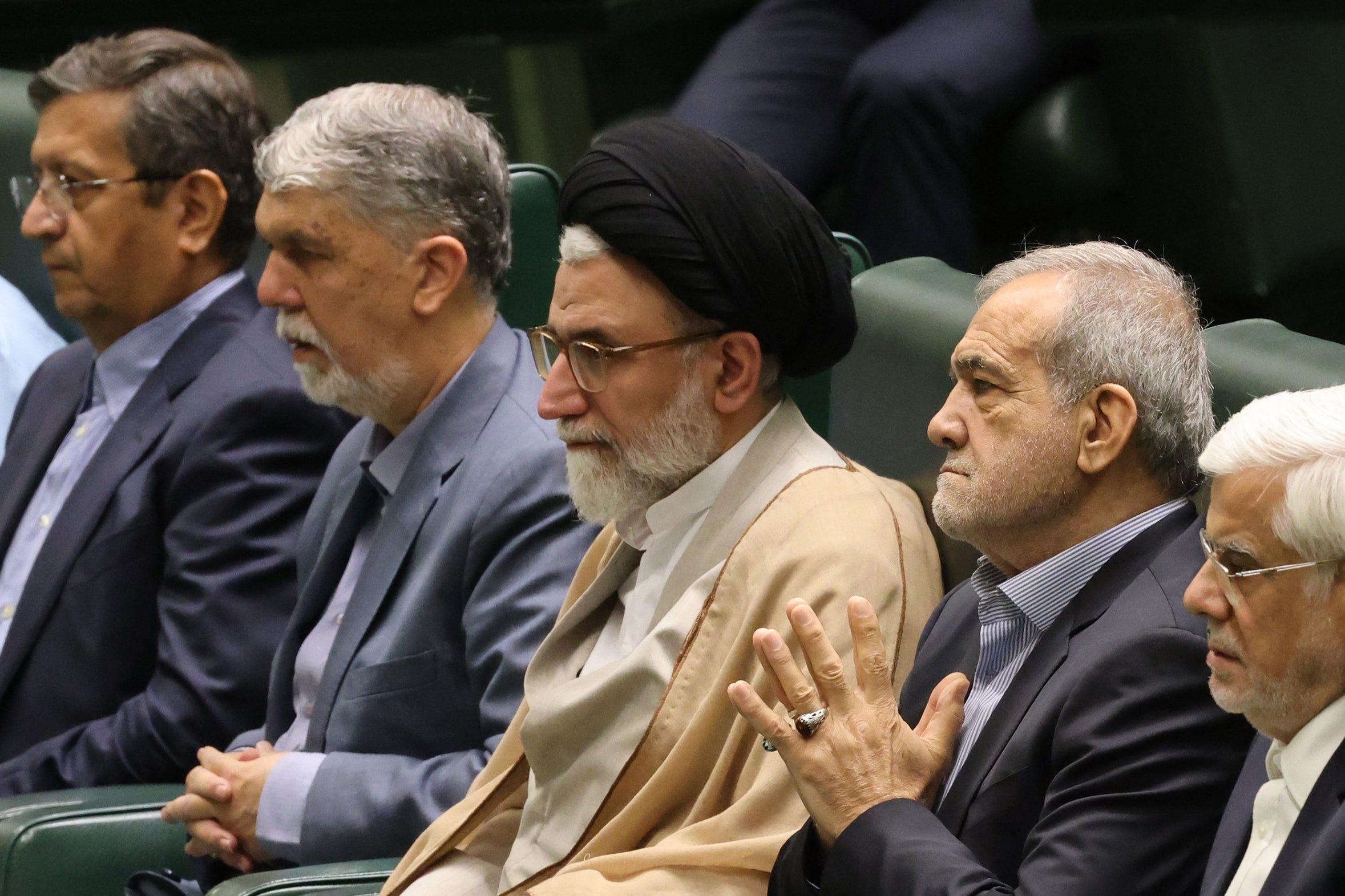
Sayed Abbas Arahgchi, Iran’s foreign minister, has already spelt out the Iranian plan.
He was drawing on decades of experience gained by the IRGC Quds Force especially, in supporting militia groups that attacked the US in Iraq and Afghanistan.
Iran has also run Hezbollah in Lebanon and tested some of the best fighters and its finest technology against the Israel Defence Forces and trained alongside Hamas fighters pioneering “asymmetric warfare” in Gaza for two decades.
“We’ve had two decades to study defeats of the US military to our immediate east and west. We’ve incorporated lessons accordingly,” the foreign minister said on social media on 1 March.
“Bombings in our capital have no impact on our ability to conduct war. Decentralized Mosaic Defense enables us to decide when—and how—war will end.”
Then, his statement looked like a boast.
Now that Iran’s grip on the Strait of Hormuz remains tight, even though the US president claims to have destroyed Iran’s navy, and drone attacks continue across the Gulf while Donald Trump claims the war has been won, the boast looks, for now, like a statement of fact.
In Iraq in the early 2000s, expert bomb makers from Hezbollah were brought in by Iran to teach Shia militia how to make shaped charge improvised explosive devices (IEDs). Using a core of copper that inverted into a molten jet that punched through armour, these IEDs were often hidden in fake rocks. These techniques were pioneered against the IDF in Lebanon.
But the IRGC were also refining their own plans of how militant groups, in their case the entire security apparatus of the Iranian regime, could survive the staggering firepower and intelligence heft of the US and/or Israel.
Key is coping with the removal of the central command. If there is no head to roll, then decapitation is symbolic. In Iran today, IRGC commanders, who also now integrate the Basij militia, are under orders to fight on regardless. And if they’re killed, there are alternative commanders at least four deep down the hierarchy.
Some will work the Strait of Hormuz, using sea drones and covert operations to cut one of the world’s most important fuel trade routes. Others are hitting the UAE, Saudi Arabia, Kuwait and Qatar – all nations with US bases – with drones, sending expatriates fleeing their tax-free lives for flights back home.
Israeli military commanders have access to eye-watering levels of human and signals intelligence and will have no illusions about how deep and strong the IRGC survival systems go. They flattened Gaza, killed close to 80,000 people, according to local officials and Hamas still lives on after the October 7 atrocities in 2023.
Israeli jets are hitting Iranian command posts and regime security bases all over the country. Few are likely to have anyone above ground.
But there are no signs of an uprising.
There are signs that Trump is losing patience. His advisers may not have understood that Iran’s regime was planning to survive a long war.
They may not have realised that Tehran would dearly love to deal with American soldiers on the ground in a country the size of western Europe. The IRGC studied and contributed to the failure of US-led forces in Iraq and Afghanistan.
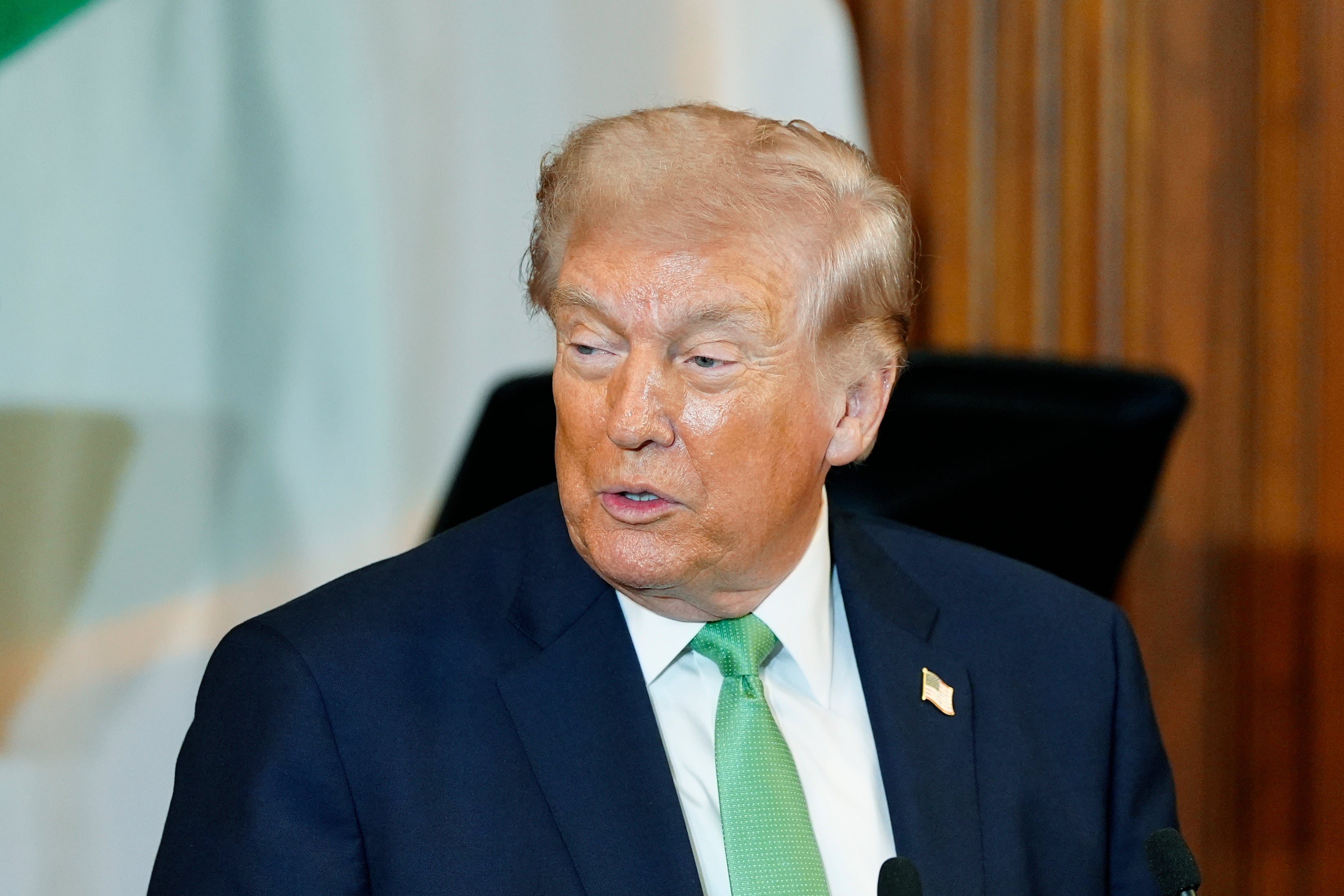
Trump may not have planned for a ground war. But the Iranians have. They also know that Trump removed the most experienced and intellectually independent leaders from the US military and intelligence organisations in the first few days of his second term in office.
He is left taking advice from his “secretary of war” Pete Hegseth, who has what have been interpreted as white supremacist tattoos and seemingly the strategic understanding of a saloon bar drunk.
For Iran’s long-term planners, victory will be a war that Trump has no idea how to end.
About the Author