The Department of Justice has released new files from its archive on Jeffrey Epstein that the DOJ claims were wrongly withheld
Among those documents are three memos recording FBI interviews with a woman who made a sexual assault allegation against President Donald Trump.
The department said in a statement that an interval review had determined that the batch of 15 files in question had previously been “incorrectly coded as duplicative” and not released in compliance with the Epstein Files Transparency Act.
“All 20 of these documents are now live in the library in data set 12,” the department said. “We will also make available all files coded as duplicative in unredacted form for Members of Congress to review in the Congressional Reading Room.”
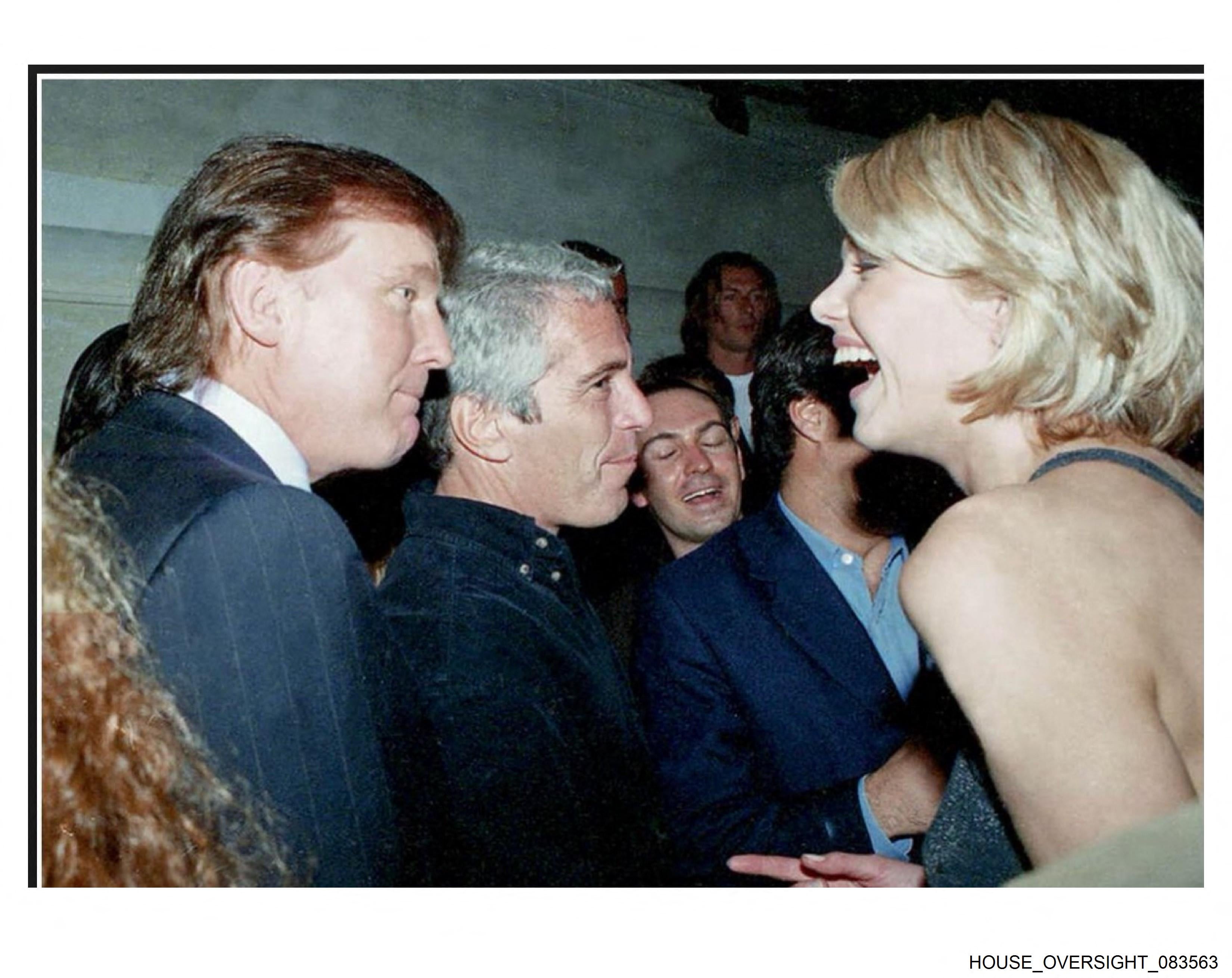
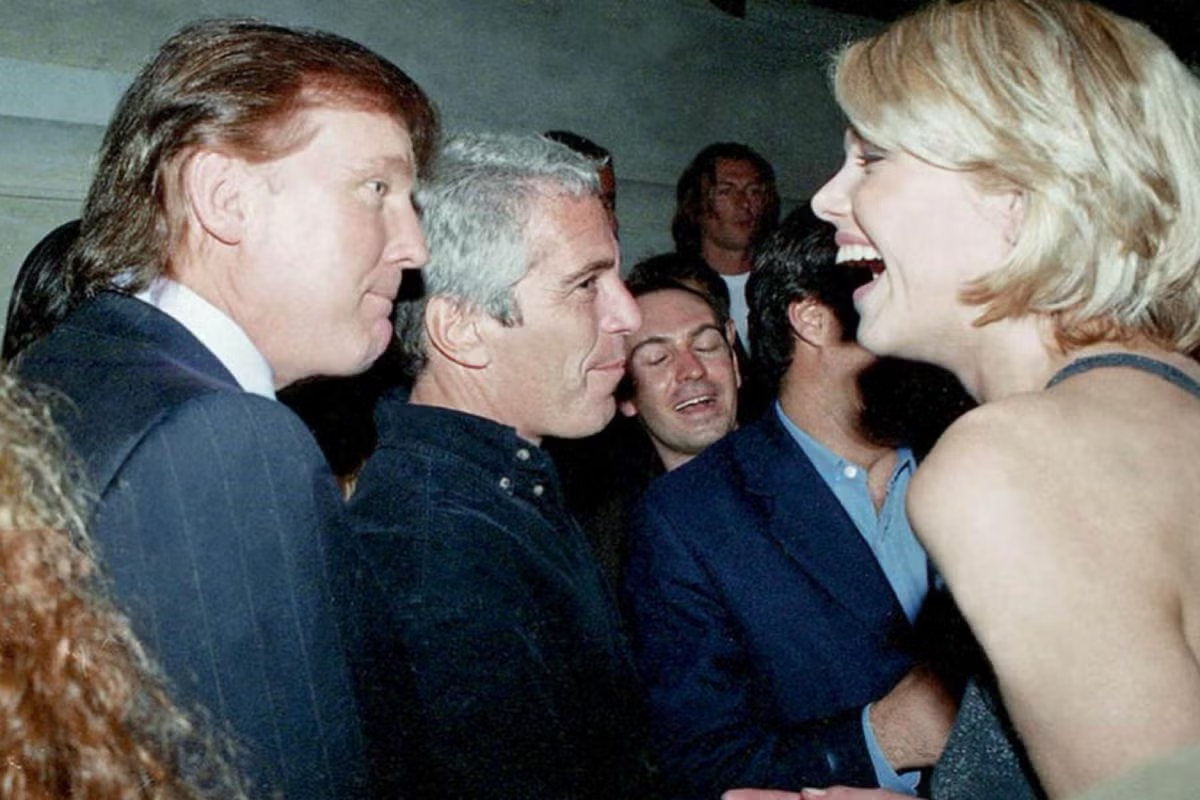
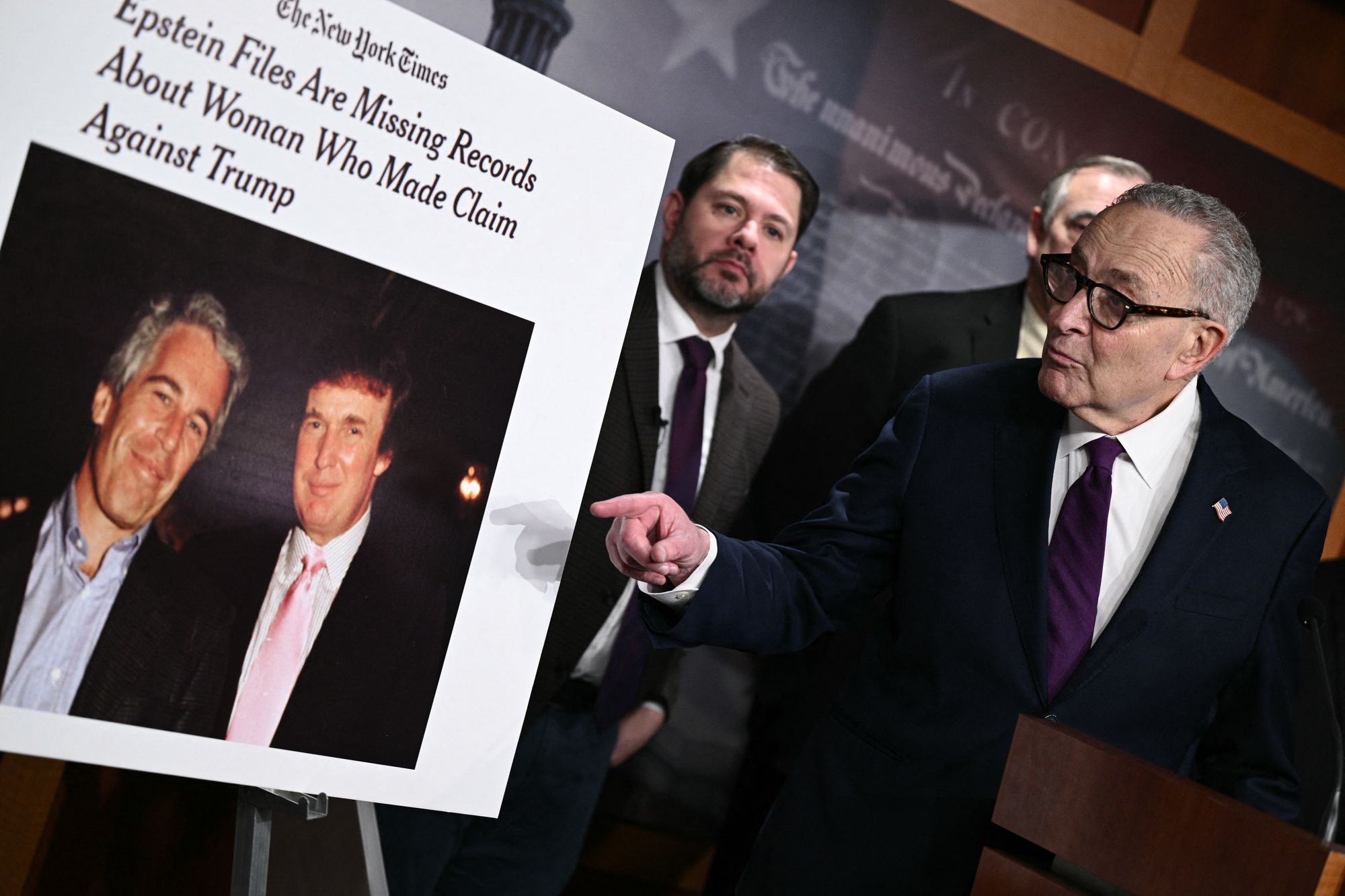
Trump has not been formally accused of any wrongdoing in relation to Epstein but has faced persistent questions about their past friendship. The pair knew each other socially in New York and Palm Beach, Florida, in the 1990s and early 2000s, until, according to the president, they had a bitter falling-out.
White House Press Secretary Karoline Leavitt dismissed the claim made against him in the newly-released memos, calling them “completely baseless accusations, backed by zero credible evidence.”
“The total baselessness of these accusations is also supported by the obvious fact that Joe Biden’s Department of Justice knew about them for four years and did nothing with them – because they knew President Trump did absolutely nothing wrong,” she added.
The three “302” memos now released record a series of interviews conducted by FBI agents with Trump’s accuser and contain only straight notes on what was said, with no additional commentary from the interviewers.
The agents first spoke to the alleged victim in July 2019, shortly after Epstein was rearrested and a month before his death in a New York City jail cell.
According to documents, she said that the pedophile had first met her in South Carolina in the 1980s and sexually abused her when she was 13. She made no mention of Trump.
A memo recounting that conversation was previously released.
In the first of the new documents, the woman alleges that Epstein “drove her and/or flew her to either New York or New Jersey” when she was still underage and took her to a “very tall building” where, she says, she was first introduced to Trump.
According to the accuser, Trump asked everyone else present to leave the room and “mentioned something to the effect of, ‘Let me teach you how little girls are supposed to be.’”
He then allegedly pressed her head against his crotch, anticipating oral sex, only for the woman to bite him, at which point Trump allegedly struck her and said “words to the effect of, ‘get this little bitch the hell out of here.’” She also claims to have heard Trump and Epstein discussing blackmail and money laundering.
In a third interview, conducted later that month, the woman describes receiving threatening phone calls and several incidents where she was “almost run off of the road” by other cars, which she said she believed was ordered by Epstein or Trump.
In a fourth session that October, the woman expressed doubts about the value of making allegations when the statute of limitations on the incidents she described had, in all likelihood, long since passed. She was advised to “to go home and take as much time as she needed to think about speaking with the agents further,” the documents allege.
Three months after the initial release of the files, DOJ employees are still spending several hours a week fixing redaction issues and other posting errors, a senior official told CNN.
The files also remain an issue for the president, with Reps. Alexandria Ocasio-Cortez and Thomas Massie are among those accusing him of launching airstrikes against Iran as a distraction from the scandal.
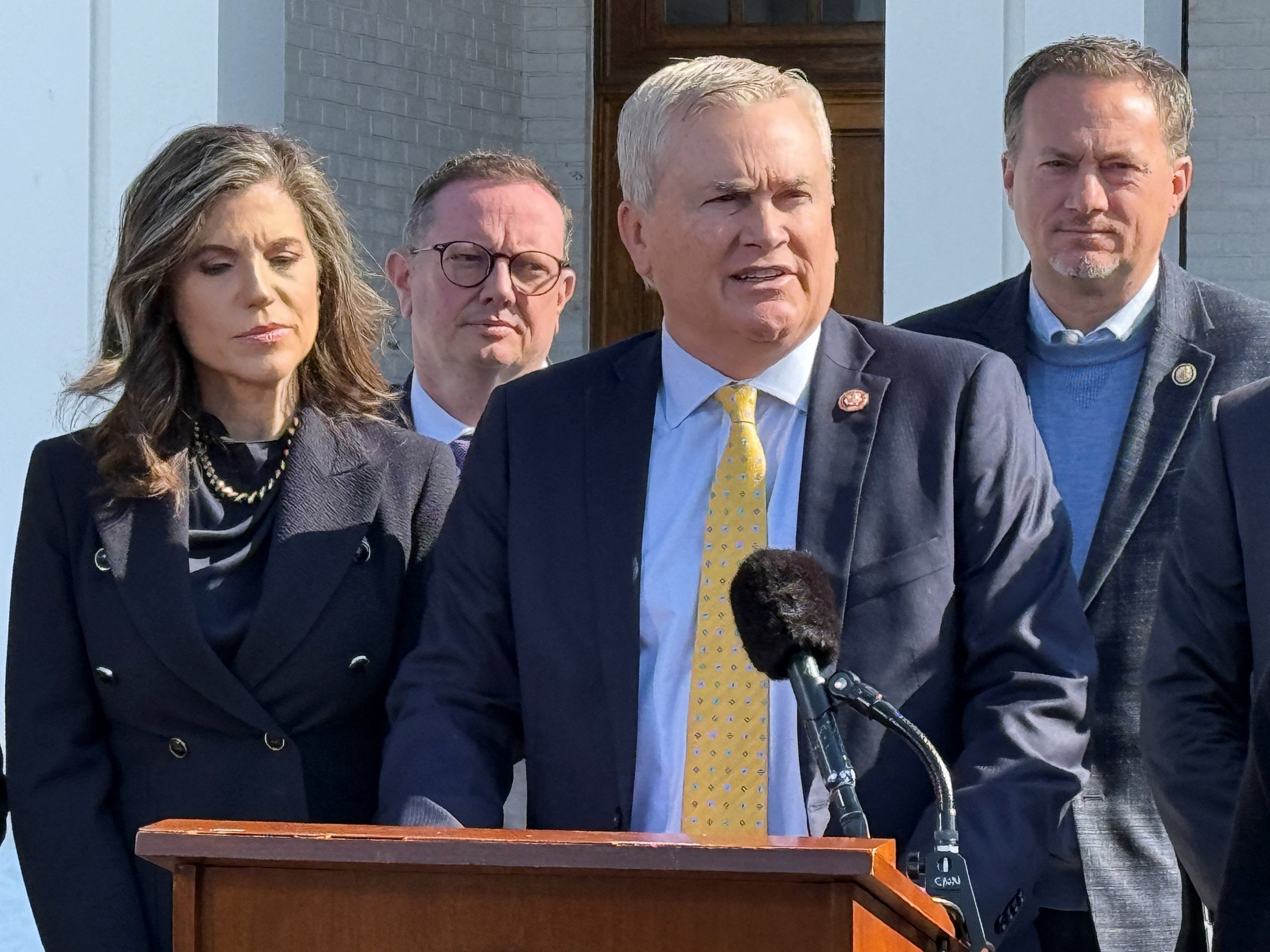
The Republican-led House Oversight Committee, meanwhile, continues its work and last week heard six hours of closed-door testimony from both Hillary Clinton and Bill Clinton.
It has since announced that Commerce Secretary Howard Lutnick has agreed to appear voluntarily before its members. Lutnick has denied any wrongdoing in relation to Epstein but, like Trump, has faced repeated questions about their past association.
Attorney General Pam Bondi has also been subpoenaed to testify about the rollout of the files and the decision-making behind it.
About the Author