
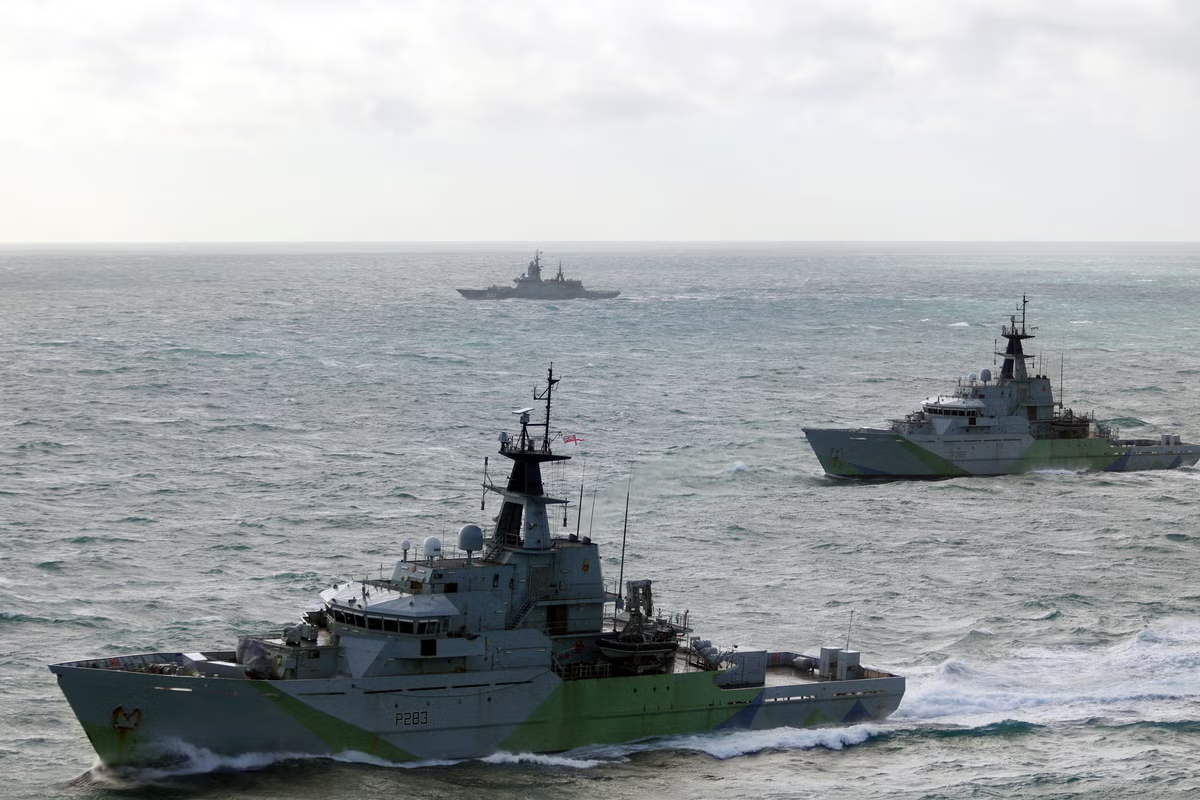
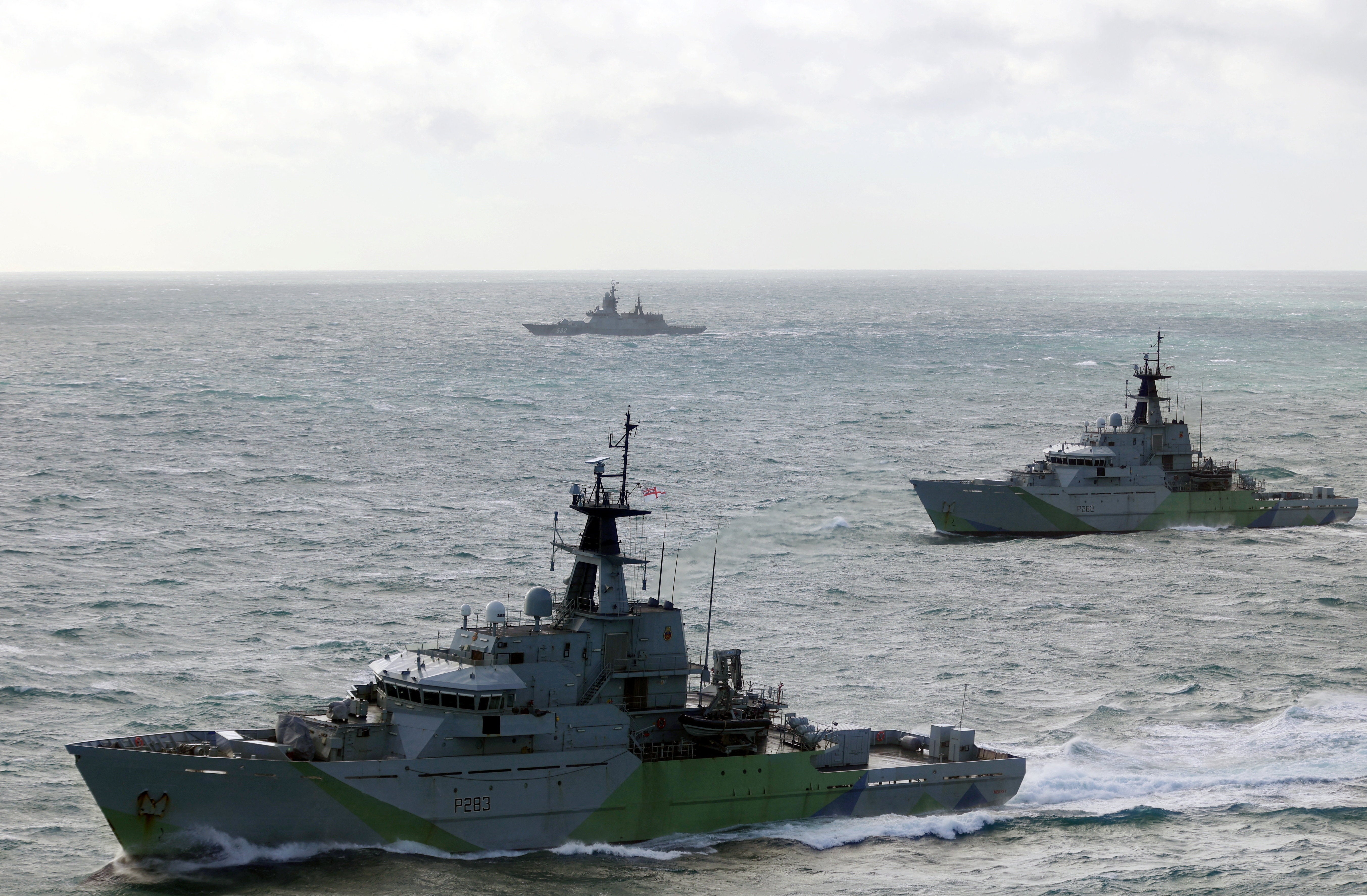
More than two dozen vessels belonging to Russia’s so-called ‘shadow fleet’ have continued to traverse UK waters, despite Prime Minister Keir Starmer’s recent authorisation for the military to detain ships exporting Russian oil.
Analysis of ship tracking data by Reuters reveals that sanctioned oil tankers are still passing along England’s southern coast in the same volumes as before the government’s announcement last week.
British officials had stated just under a week ago that the military was preparing to board vessels for sanctions breaches, with the hope that this public warning would compel the ships to adopt longer routes away from British territory.
Moscow condemned the move as “deeply hostile” and indicated potential retaliation.
However, since that declaration, the British military has not reported any boarding operations, while at least 25 sanctioned ships have entered British waters via the Channel, according to the Reuters findings.
James Fennell, a former British naval officer, suggested that any military intervention would likely be selective due to operational complexities, potential legal challenges, and the significant risk of bringing Britain “one step closer to war with Russia”.
He added: “The government is hoping the threat acts as a deterrent and will gauge the effect before sanctioning a potentially risky boarding operation.” Fennell concluded that “They will be using back channels to tell Russia to cease and desist.”
The Ministry of Defence said any enforcement action would be “considered on a case-by-case basis” and it would not provide “a running commentary” on potential action.
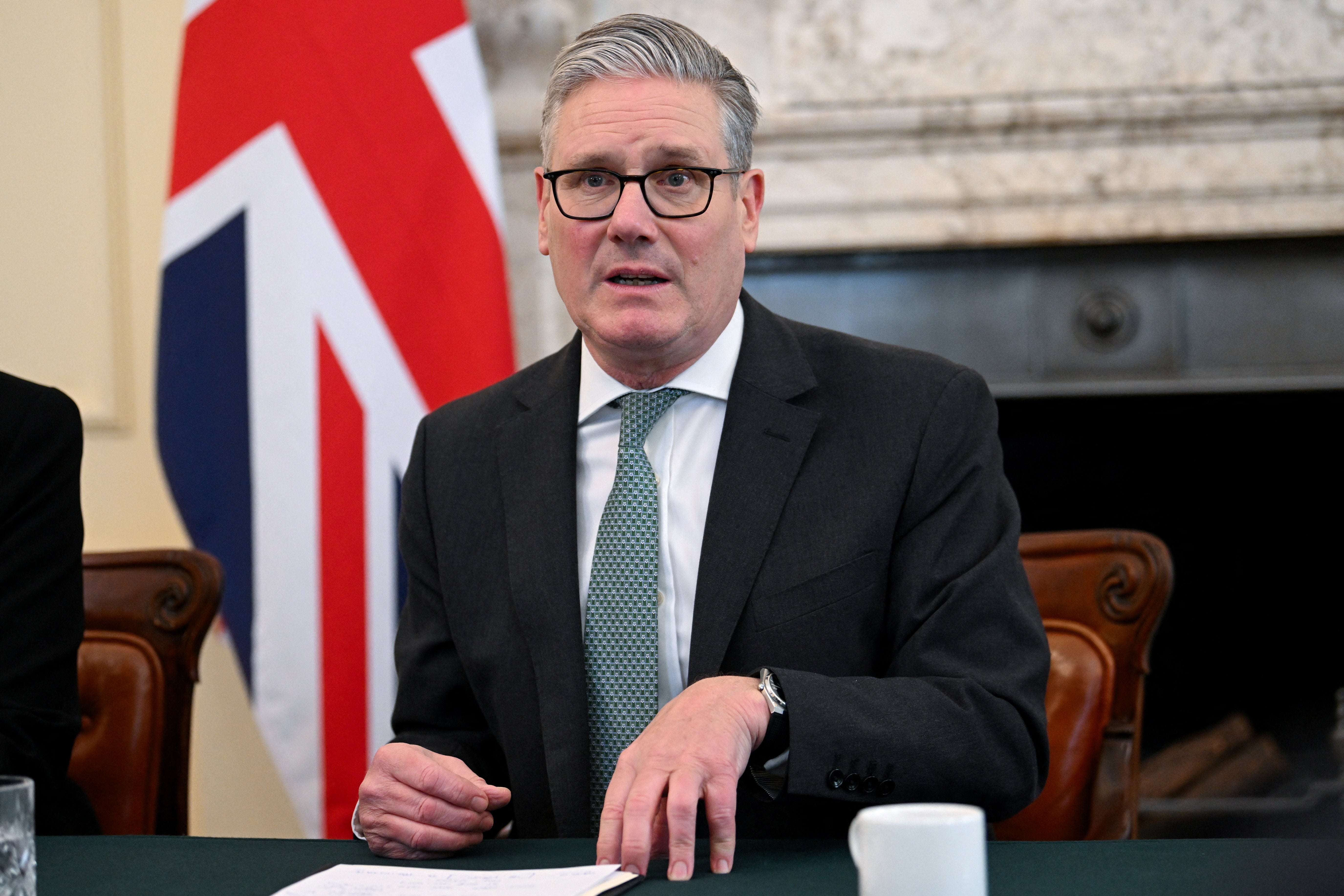
Starmer said last Wednesday evening he had authorised the boarding and detention of Russian vessels to prevent Russian President Vladimir Putin from making “dirty profits” from the sharp rise in oil prices driven by the U.S.-Israeli war with Iran.
Russian ships in the so-called shadow fleet of tankers used by Moscow to fund its four-year war against Ukraine sail through the Channel as it is the most convenient route for travelling between the Baltic and southern Europe and beyond.
Other European nations, including France, Belgium and Sweden, have in recent months boarded and detained vessels to disrupt the network of ships.
Trump this month temporarily eased sanctions on Russian oil as part of his administration’s attempt to tame energy prices.
The UK has placed sanctions on 544 Russian shadow fleet vessels, meaning they are prohibited from entering British ports and can be detained, according to the government.
Pole Star Global, a maritime data and intelligence company, said about two dozen of these ships travelled through British waters a week on average since the start of the year.
Douglas Guilfoyle, a professor who specialises in maritime security at the University of New South Wales, said even though Britain had sanctions on Russian vessels it would need to rely on untested legal arguments to board the ships.
Guilfoyle said that there were only two clear legal bases to detain the vessels: a U.N. Security Council sanctions regime – not in place at present – or treating seizures as a “countermeasure” in response to Russia’s war in Ukraine, which he described as a “novel and untested” legal argument.
“There are very limited exceptions that would justify interference with the right of transit passage or the right of innocent passage by a foreign vessel – even one subject to UK autonomous sanctions,” he said.
Brett Erickson, a sanctions expert who works at the consulting firm Obsidian Risk Advisors, said the British government looked weak because it announced it was ready to detain Russian vessels, but had yet to take any action.
“With sanctions you can’t be half in, you either have to be all in, or all out,” he said.
About the Author