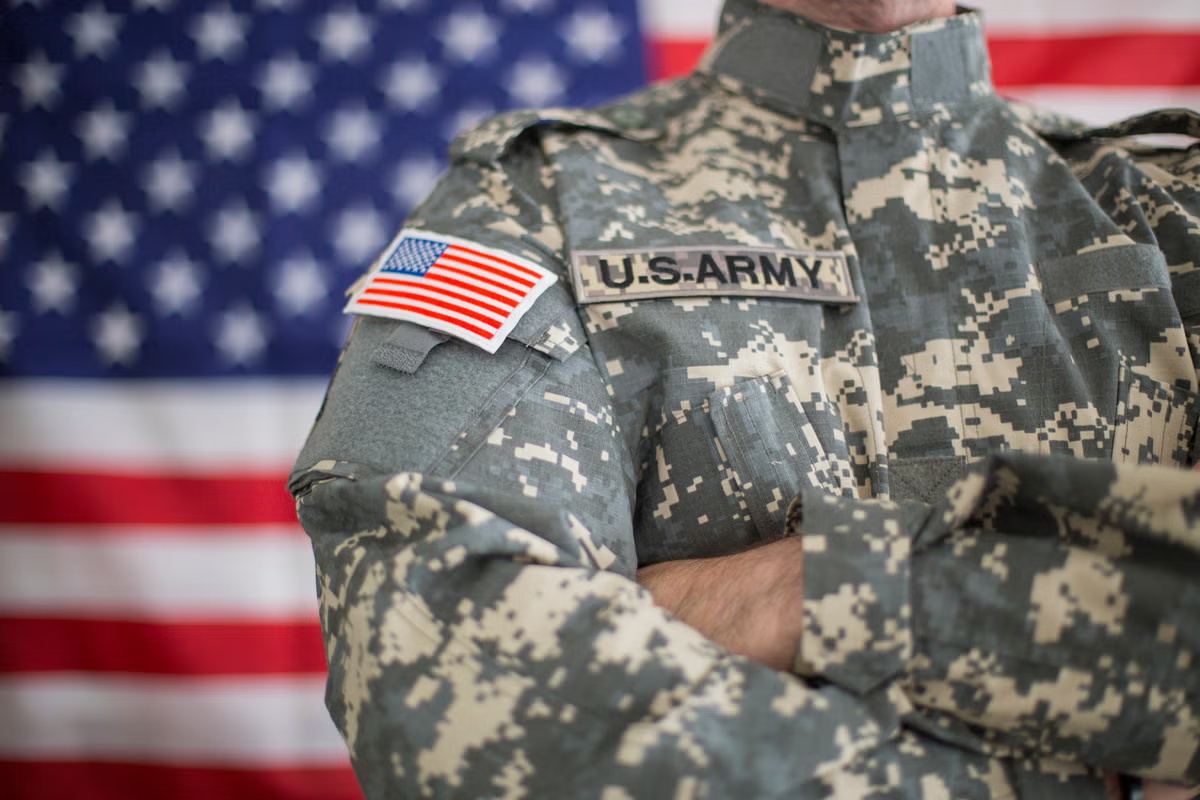
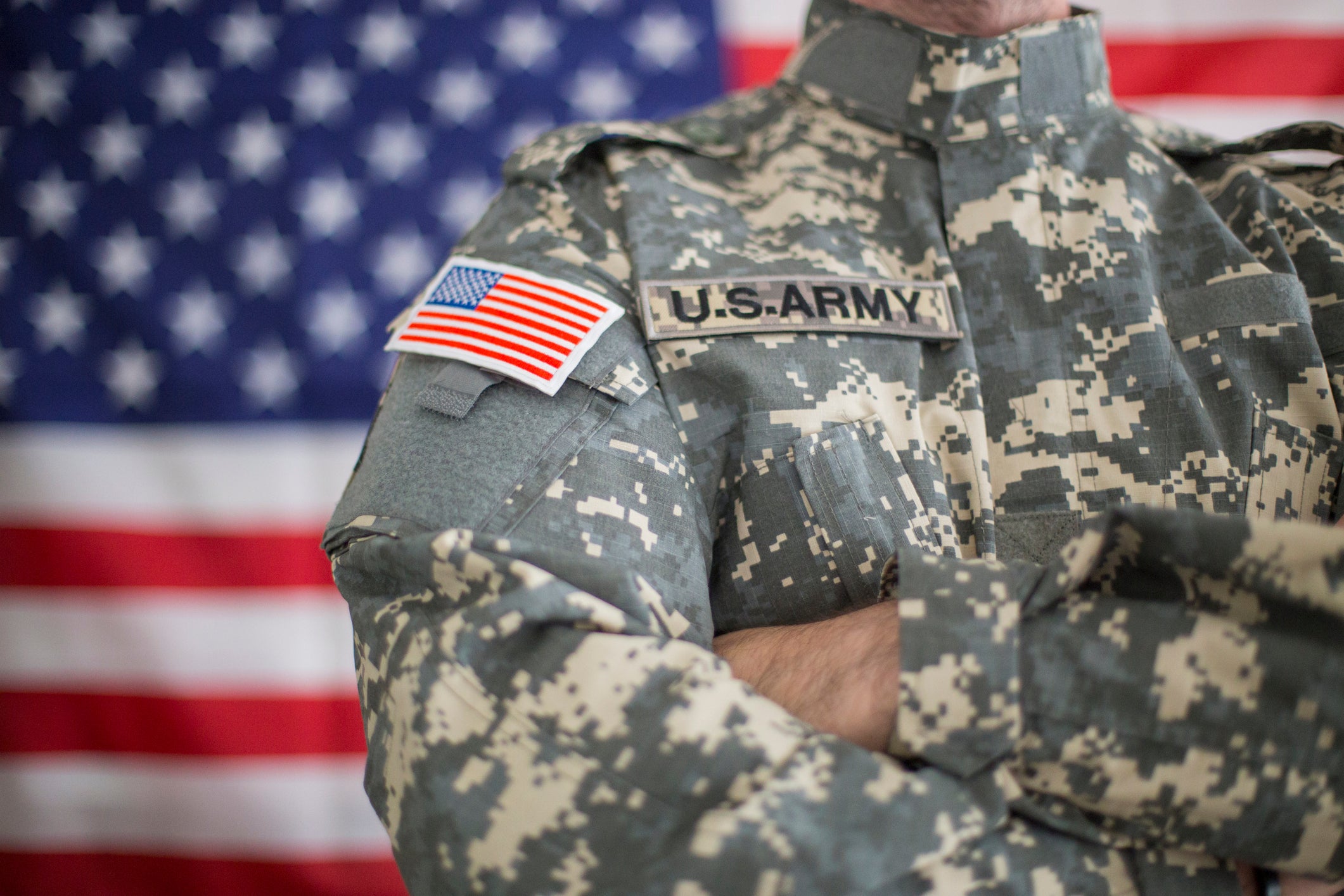
The U.S. Army has raised its maximum enlistment age by seven years, moving it up from 35 to 42 years old, in an effort to spur greater recruitment.
The changes to the enlistment rules also include adjustments to existing factors that could rule out potential recruits, such as those having a single marijuana or drug paraphernalia conviction.
The changes reflect the Army’s recent efforts to broaden its appeal and raise the number of people applying to be in the force after it missed its enlistment targets in 2022 and 2023, although numbers did rebound somewhat in 2024, according to the Army Times.
Under the previous policy, the Army capped enlistment at age 35, though older applicants could sometimes join through waivers.
Other branches of the military have higher age limits. The Air Force and Navy both already accept recruits over 40. The Marine Corps has a maximum enlistment age of 28 though it allows applicants 29 and older to request waivers.
“This regulation applies to the Regular Army, the Army National Guard/Army National Guard of the United States, and the U.S. Army Reserve,” the officials said in a statement. The new policy starts in April.
Army recruits are entering the service at older ages than in previous decades, according to the Army Times.
So far in fiscal year 2026, the average age of active‑duty and reserve recruits is 22.7, a noticeable increase from the 21.7 average seen in the 2000s and 21.1 in the 2010s, according to Madison Bonzo, the Army Recruiting Division’s chief of media relations.
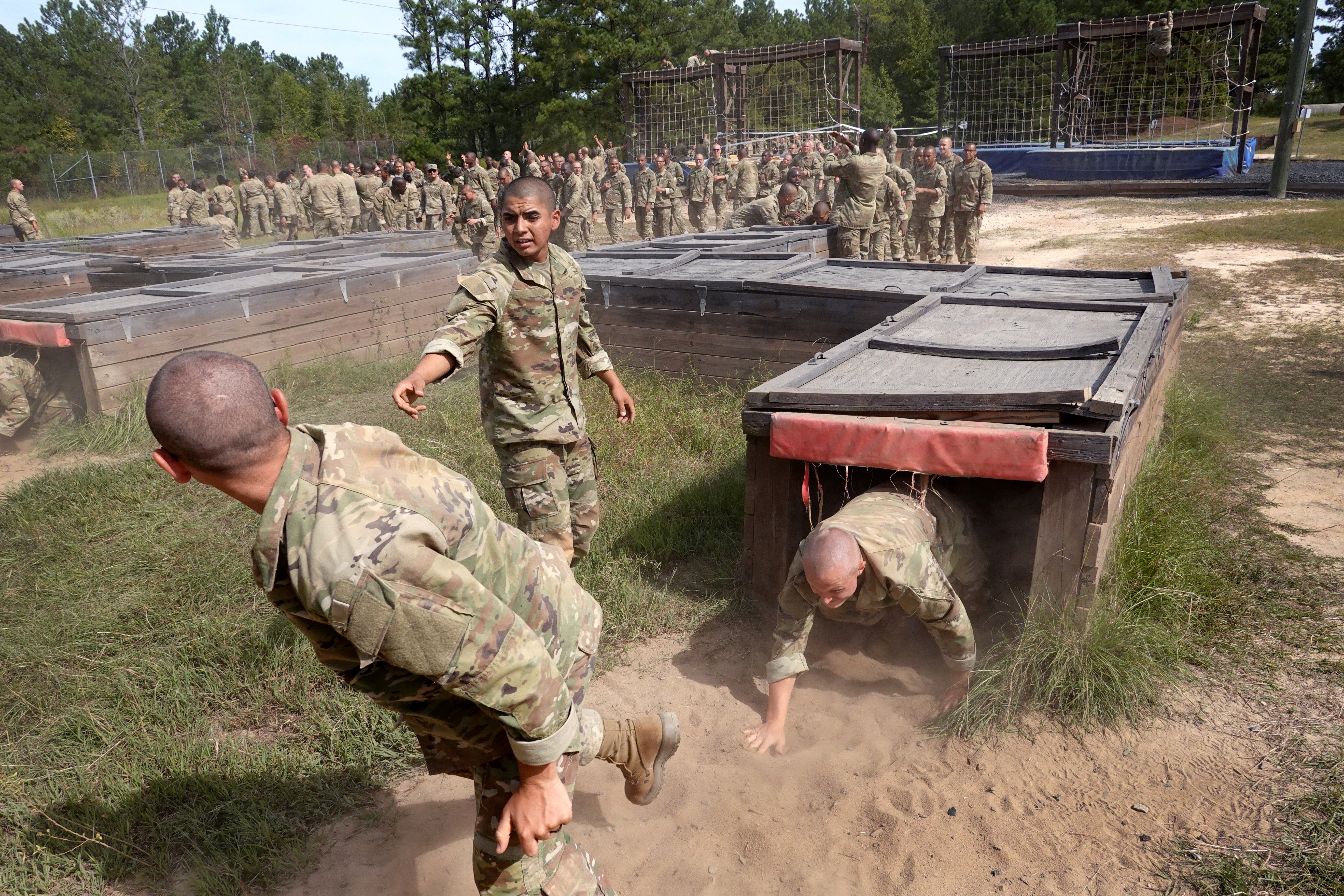
Army officials say the shift reflects a deliberate effort to broaden the recruiting pool. With the service working to attract candidates from a wider range of backgrounds and life stages, recruiters are seeing more applicants who are slightly older.
In a separate policy shift also aimed at expanding eligibility, the Army will no longer require enlistment waivers for individuals with just one conviction for marijuana possession or one conviction for possession of drug paraphernalia.
The change comes as cannabis laws continue to change across the U.S.
Dozens of states now allow medical or recreational marijuana use, even though service members are still prohibited from using the drug under federal law. Those with multiple convictions will still require an enlistment waiver.
About the Author