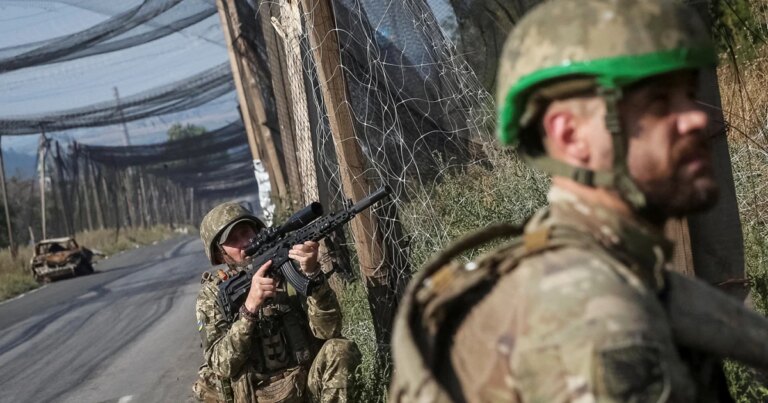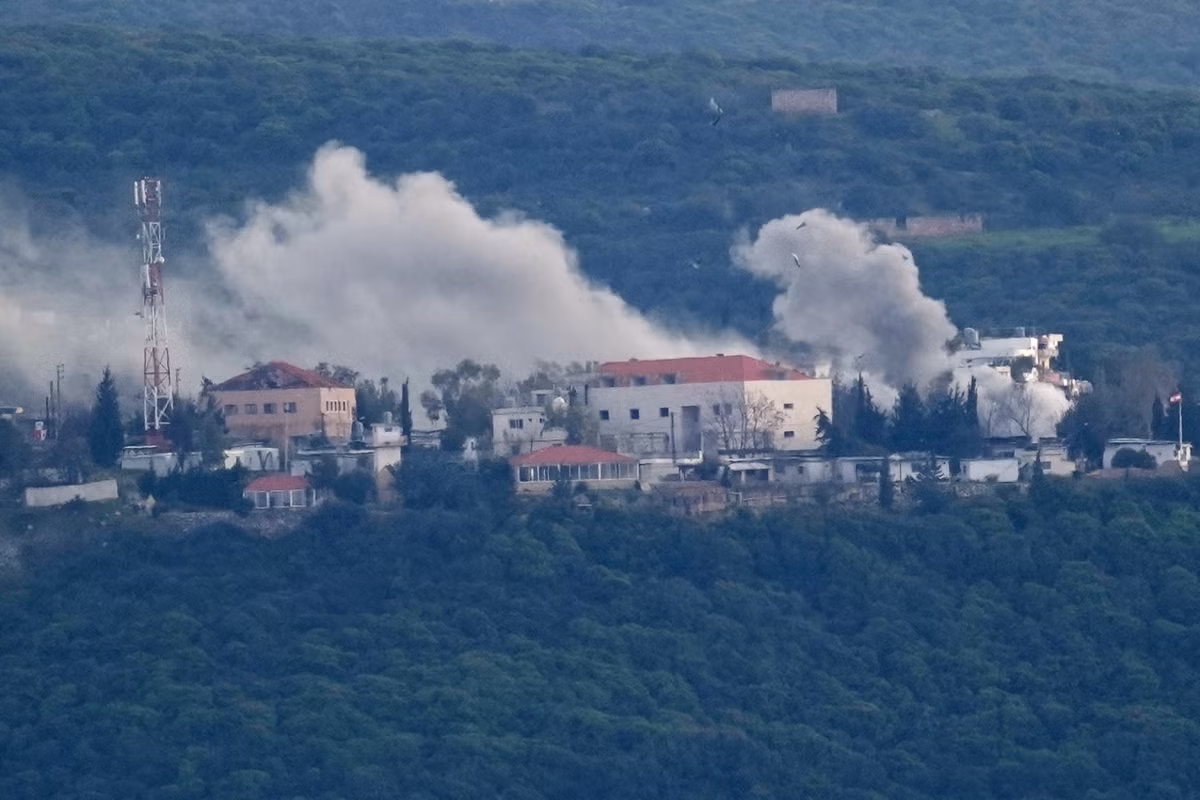
More than five weeks into the US-Israeli war on Iran, aid agencies have warned that attacks on Lebanon have been taken straight from the Gaza playbook and may amount to war crimes.
The humanitarian situation in Lebanon is rapidly deteriorating, with nearly 1,100 people killed, including more than 120 children, since the Iran-backed militant group Hezbollah dragged the country into the regional war on 2 March. Over one million people have been displaced, according to aid organisations.
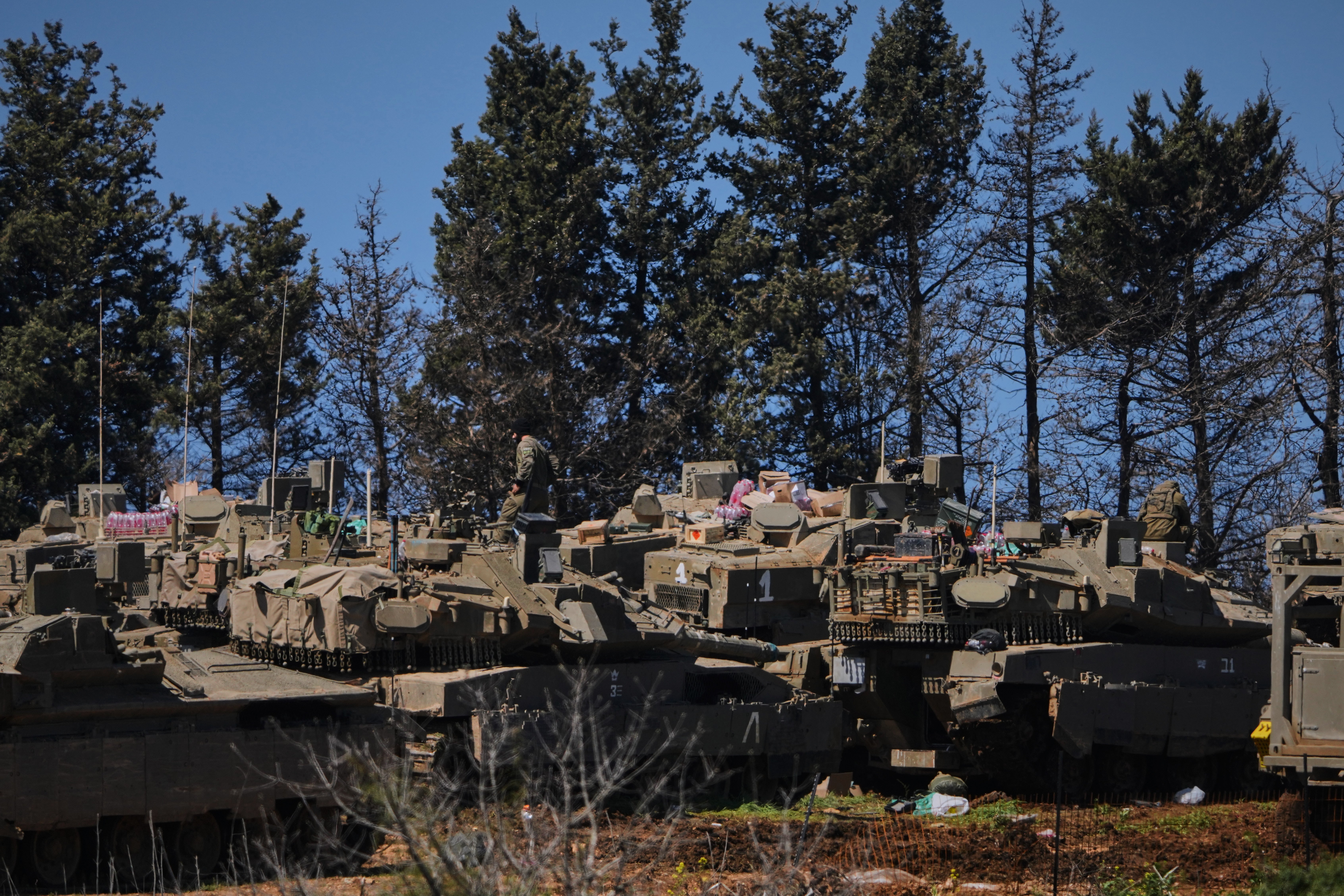
As well as an intense bombing campaign, the Israeli army has invaded the country, with plans to occupy swathes of the south in order to create a “buffer zone” along its northern border.
It has said that it must do this in order to push back Hezbollah, which has fired almost 5,000 rockets, missiles and drones at Israel since the outbreak of the conflict.
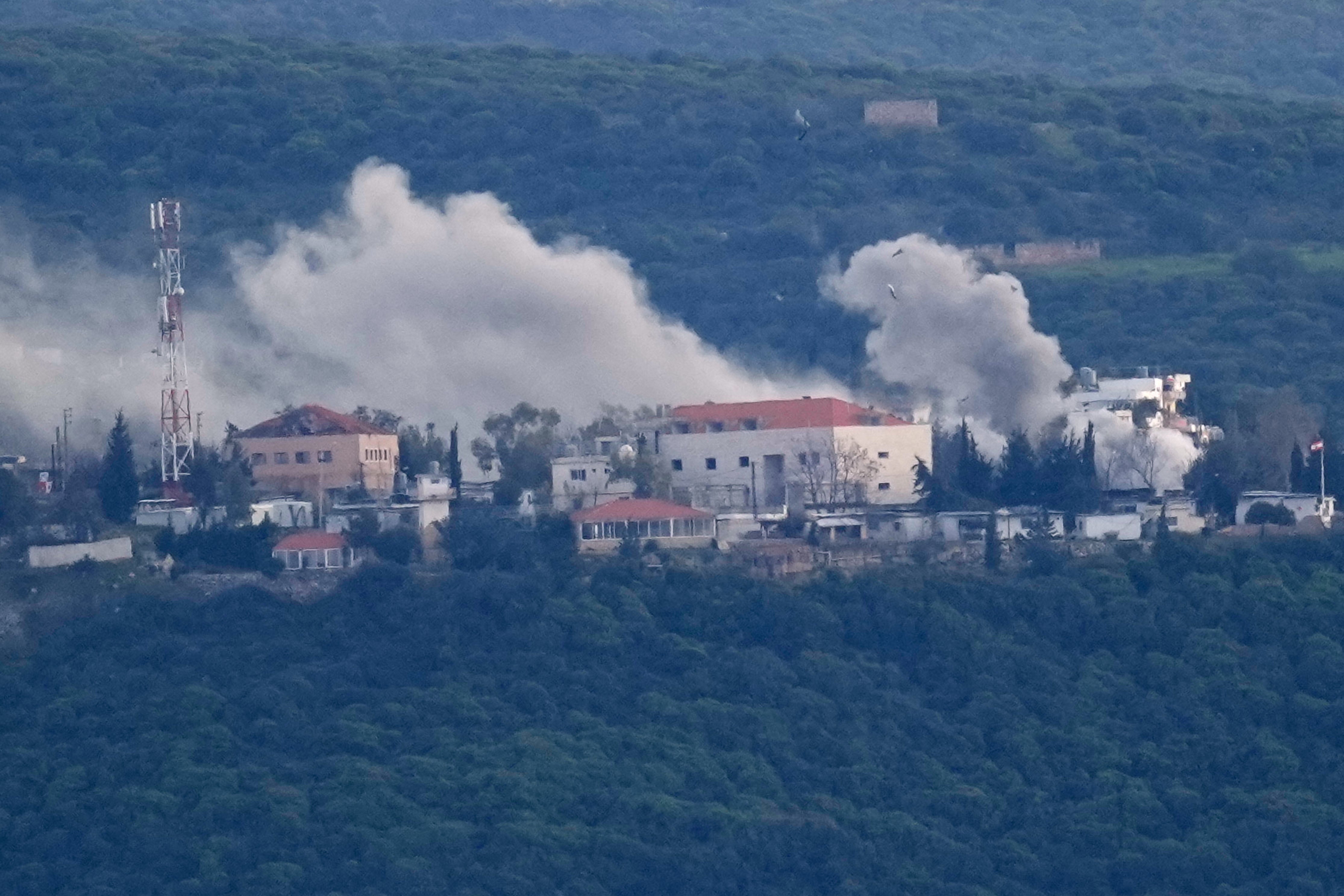
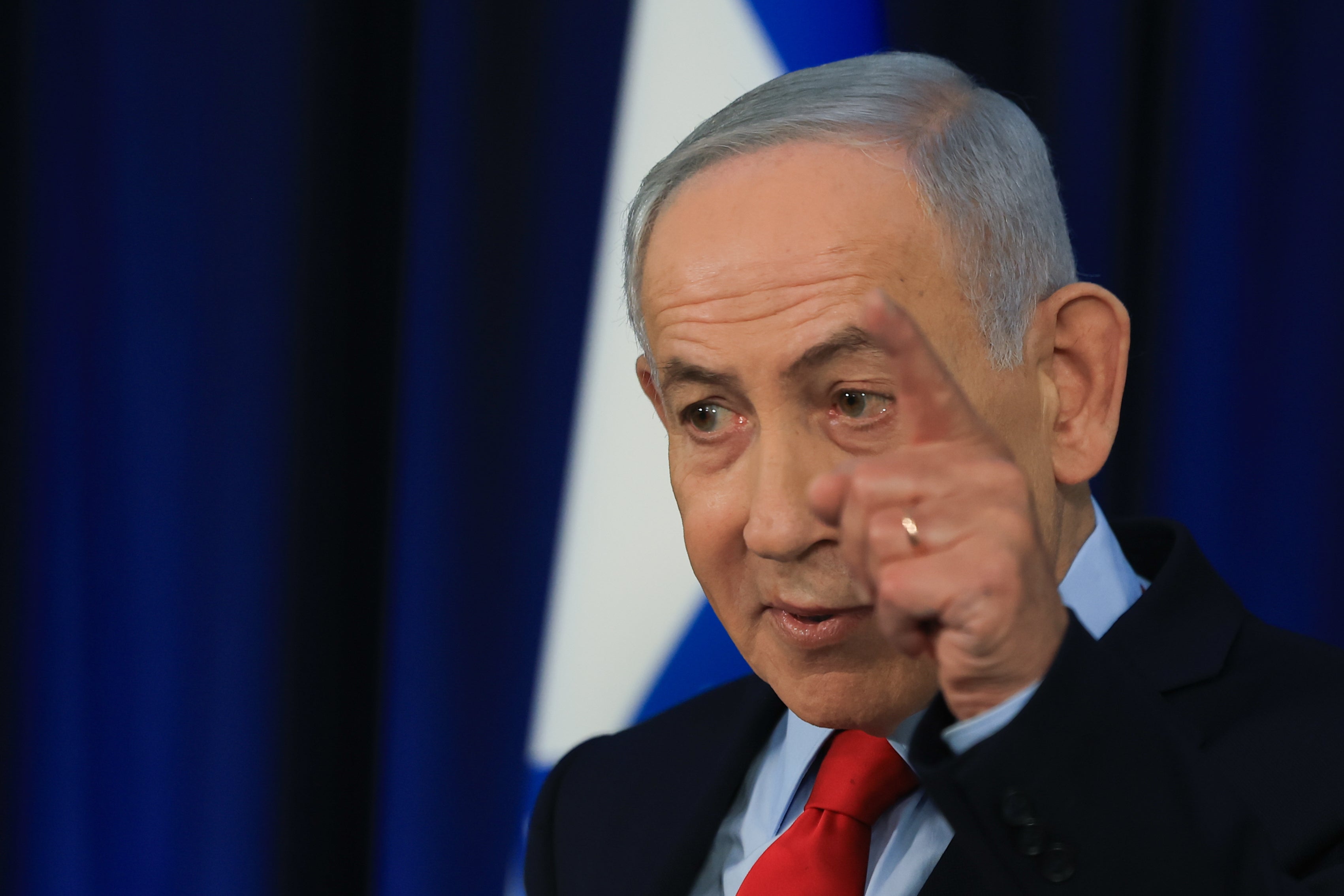
“I have now instructed to further expand the existing security zone in order to finally thwart the threat of invasion and to push the anti-tank missile fire away from our border,” Israeli prime minister Benjamin Netanyahu said in a video on 29 March after a visit to the Israeli military’s northern command confirming Israel would expand its “buffer zone” to encroach further into Lebanon.
But it is a repeat of history: Israel occupied southern Lebanon from 1982 to 2000 during the country’s civil war.
The Israeli military previously told The Independent about the operation, which has been dubbed Roaring Lion: “Regarding the ‘buffer zone’, the deployment of IDF troops along the southern border of Lebanon was made in order to provide an additional layer of defense for the residents of northern Israel, to continue preventing any emerging threats, and to protect against any attempts to infiltrate into the territory of the State of Israel.”
It emphasises that Israel “operates against the Hezbollah terrorist organization, and not against the Lebanese Armed Forces or Lebanese civilians.”
On Tuesday defence minister Israel Katz said he had ordered the military to “accelerate the destruction of Lebanese homes in the border villages in order to thwart threats to the Israeli settlements—in accordance with the Beit Hanoun and Rafah model in Gaza”.
The Israeli military insists Hezbollah uses “civilian infrastructure” for its activities.
But experts have warned that there are similarities with Israel’s tactics in Gaza, highlighting attacks on medical facilities and the killing of health workers.
According to Lebanon’s health ministry, more than 40 health workers have been killed by Israel, including two young paramedics – 22-year-old Ali Jaber and 16-year-old Joud Sleiman – who lost their lives as they headed out on a rescue mission in the southern town of Nabatieh on Tuesday.
Both were wearing paramedic uniforms and their motorcycle was clearly marked as an ambulance with flashing lights.
The World Health Organisation says there have been 64 attacks on healthcare facilities across Lebanon in the last month and five hospitals are out of service.
The high number of medical workers that have been killed is “highly concerning” says Ramzi Kaiss, Lebanon researcher at Human Rights Watch.
He says that we are seeing “similar patterns from Gaza, the West Bank, and from the previous escalation in Lebanon in 2024.”
He continues: “The laws of war are clear: the deliberate attacks on civilians including medical personnel are prohibited and could amount to war crimes.”
The Independent has contacted the Israeli military for comment on its operations impacting healthcare workers.
UN experts have said Israel’s targeted destruction of Gaza’s healthcare system could amount to ‘medicide’ – the deliberate attacking of healthcare workers, paramedics and hospitals to wipe out medical care in the enclave.
“In terms of the Gaza playbook, there are many similarities,” he says, such as the “blatant disregard for the protections afforded by the laws of war, which is evident both in the statements and threats issued by Israeli military officials,” and “the broad displacement orders” which have ordered the evacuation of 15 percent of the country, mainly in the south and the southern suburbs of the capital, Beirut.
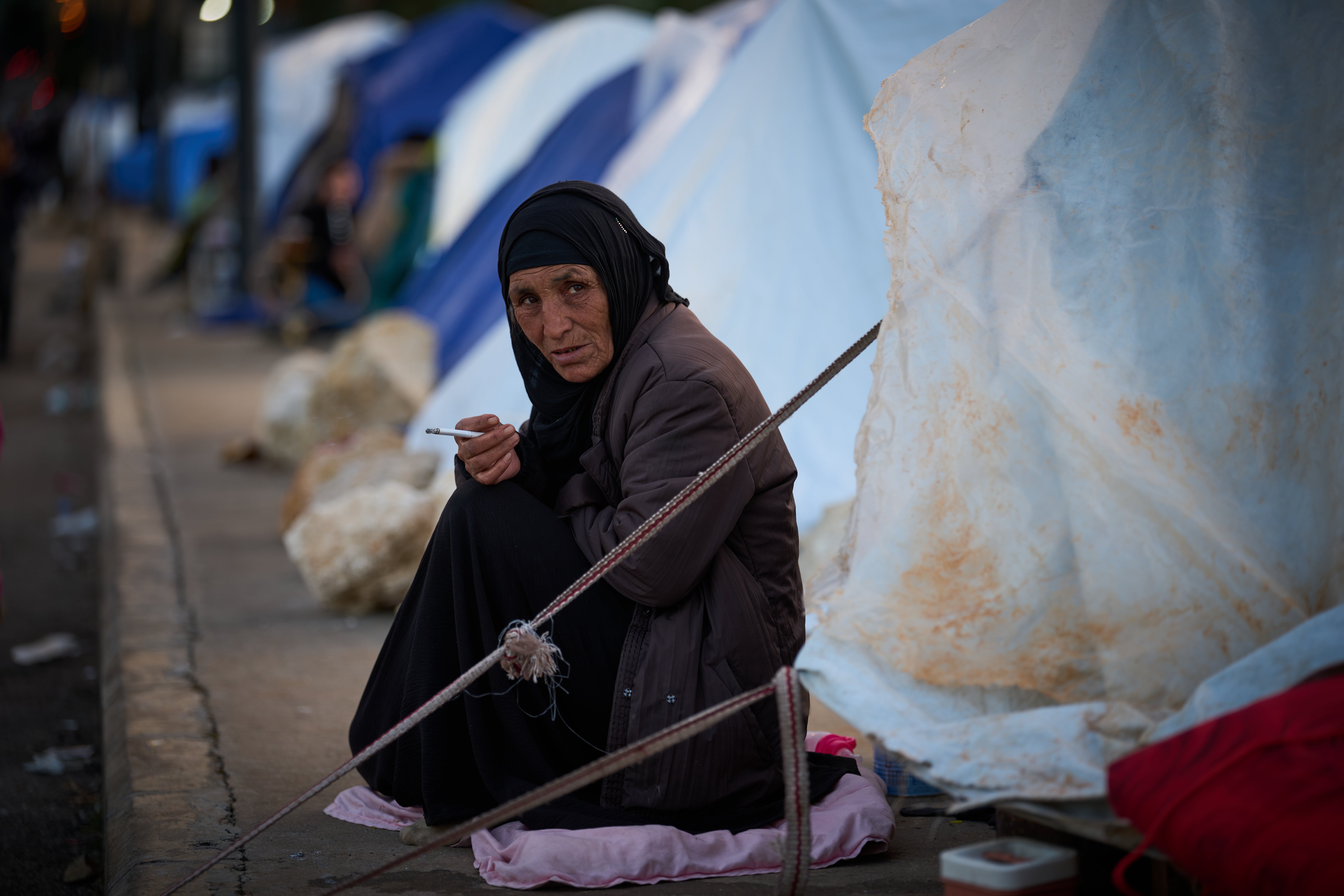
One in five people in the country have been displaced, but there are not enough shelters for them, with most people sleeping in tents on the streets of Beirut.
He says that the international community has a responsibility to halt these atrocities from happening.
“States that were funding Israel [during its attacks on Gaza and the previous escalation in Lebanon] failed to levy enough pressure to significantly or effectively halt arms sales and military assistance to Israel and these violations have continued with complete impunity.”
The US and Germany are the top suppliers of military equipment to Israel. While the UK’s arms sales are much smaller in comparison, they still supply crucial components to Israeli weapons systems, including parts for F-35 fighter jets.
Kaiss adds that Lebanon’s government also has “an obligation and a role to play,” such as “giving jurisdiction to the ICC [International Criminal Court] to investigate and prosecute war crimes committed on Lebanese territory, along with judicial investigations into attacks on civilians in the country.”
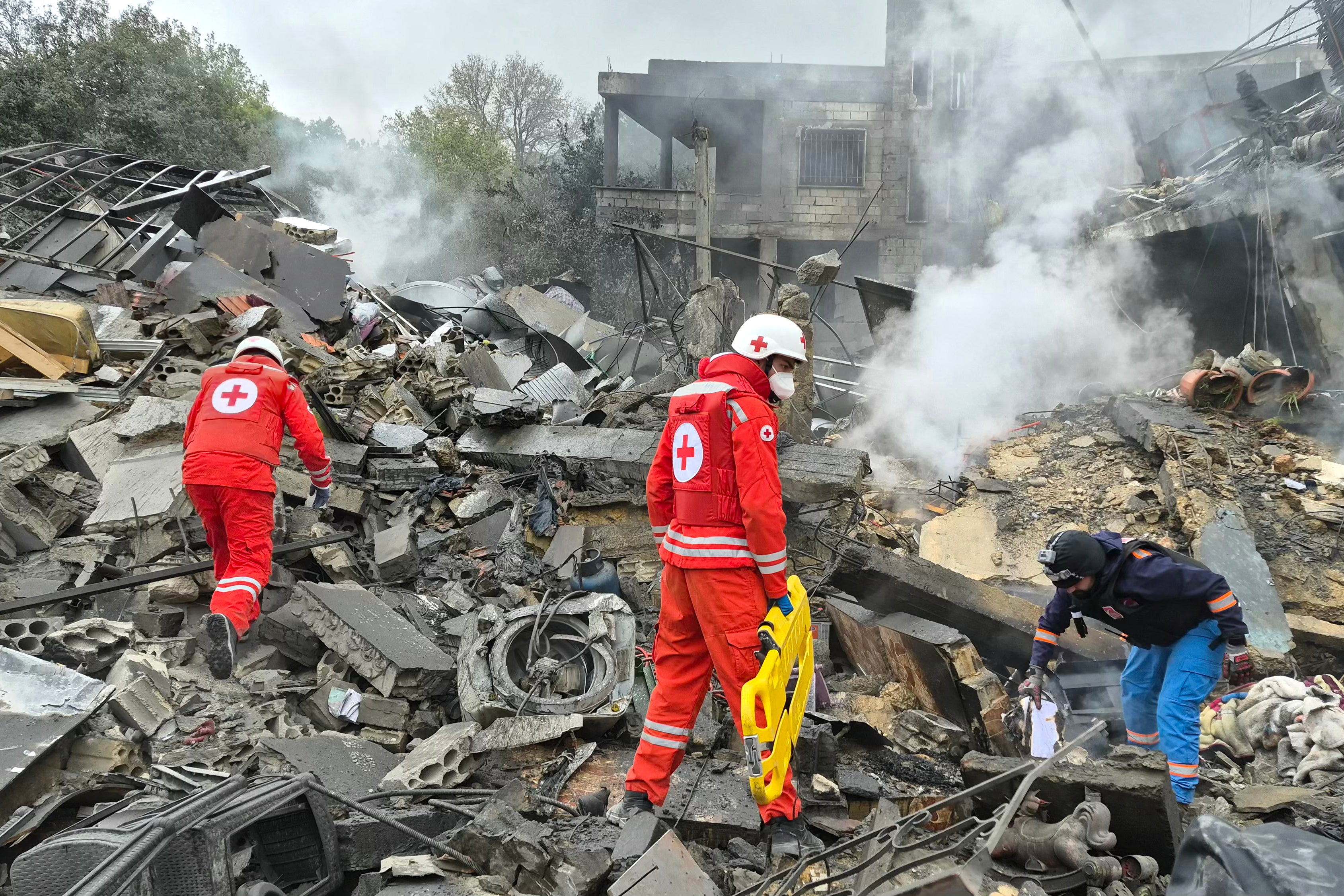
The Independent was on the ground in Burj Qalaouiyah, about 11km (seven miles) from Lebanon’s southeastern border with Israel, in March and witnessed the destruction caused by an Israeli strike on a healthcare centre, which onlookers described as being “like an earthquake”.
There were at least 12 doctors, paramedics, and nurses inside the centre who were just finishing their dinner at the time of the attack. None of them survived.
Médecins Sans Frontières (MSF) says international support needs to be scaled up now to prevent a “major humanitarian catastrophe” in Lebanon. It also warned that what is happening in Lebanon has echoes of Gaza.
Emmanuel Massart, MSF Emergency Medical Coordinator in southern Lebanon, said: “We are seeing a similarity to what we saw in the past two and a half years in Gaza: broad evacuation orders, constant displacement of thousands of families, and systematic bombing on densely populated areas.”
This is particularly true in the south, which Israel is cutting off from the rest of the country by bombing the bridges – considered civilian infrastructure which should be protected under international humanitarian law – across the Litani River, which is leaving cities and villages south of the river, an area of about 20 miles, completely isolated.
Despite the dangers in southern Lebanon, hospitals and medical workers continue to operate in order to help those who cannot flee.
“These facilities have become sanctuaries for the most vulnerable,” says Vincent Lovergine, International Committee of the Red Cross (ICRC) Health Coordinator in Lebanon.
“In the towns of Bint Jbeil and Tebnine, the ICRC is currently the only humanitarian organisation supporting local hospitals.
“We are delivering essential supplies, including oxygen cylinders, fuel, food, water, and critical medical consumables, to sustain the last fully operational facilities in the area,” he tells The Independent.
Some medical workers are also sheltering at the facilities where they work, although this puts them at an even greater risk following Israel’s blatant targeting of medical facilities.
“In a hospital we support in Marjeyoun, nurses and staff now live on-site alongside their displaced families because their homes are unsafe,” says Lovergine.
“As one nurse shared, remaining in the hospital is the only way to ensure uninterrupted care for patients.”
About the Author