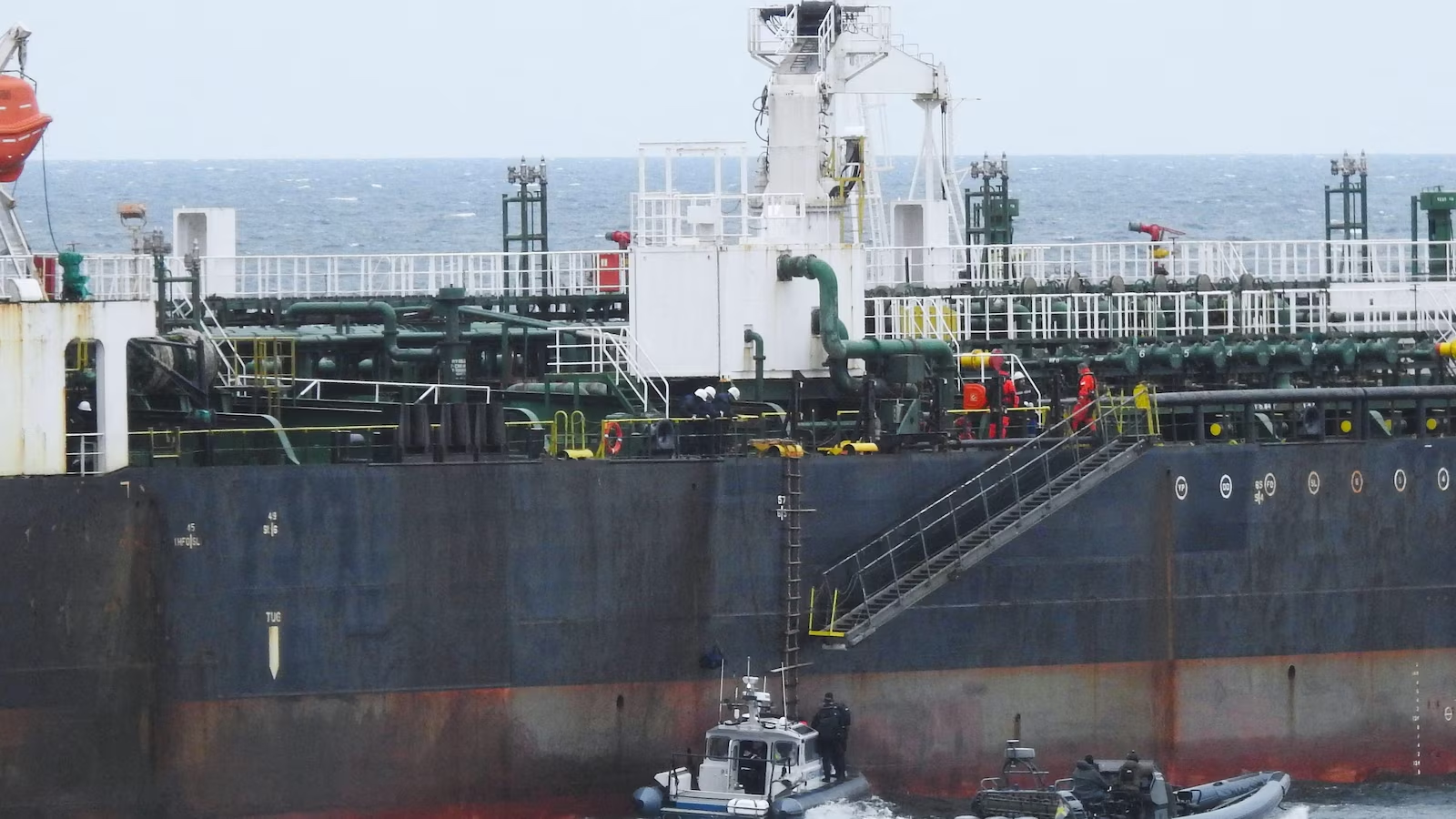
FRANKFURT, Germany — Swedish authorities have released a tanker sanctioned by the European Union that had been boarded and detained on suspicion of causing an oil spill in the Baltic Sea.
The Swedish Coast Guard said they had not found sufficient evidence that the Flora 1 tanker was at fault for the 12-kilometer (8-mile) -long spill that had been discovered Thursday.
Investigators also established that Cameroon had confirmed the vessel was sailing under that country’s flag, which had not been clear when the vessel and its 24-member crew was stopped Friday, the coast guard said.
The Flora 1 was put on the EU’s list of sanctioned vessels for carrying Russian oil while “practicing irregular and high-risk shipping practices.” Unsafe practices can include turning off the automatic tracking system that transmits the vessel’s location to other ships.
The sanctions are aimed at the “shadow fleet” that emerged in response to a price cap on Russian oil imposed by the Group of Seven democracies to limit the revenues that fund Russia’s invasion of Ukraine. The cap was enforced by barring insurance and shipping companies from handling oil above the cap.
The fleet is made up of aging tankers with ownership and insurance based in countries that are not observing the price cap. The age of the vessels and their lack of Western insurance has raised safety concerns about oil spills and who would get the cleanup bill.
The Flora 1 was owned by a Hong Kong company as of late 2025 and has also been sanctioned by the UK, Canada, Australia, Switzerland, New Zealand and Australia, according to the Ukrainian government. It has changed its name six times and its flag country nine times. It has been observed turning off its automatic tracking system, a step that hides a vessel’s location, and engaging in a ship-to-ship transfer, which can be a way to disguise the origins of an oil cargo.
Sanctions forbid any transactions involving the named vessels.
About the Author