
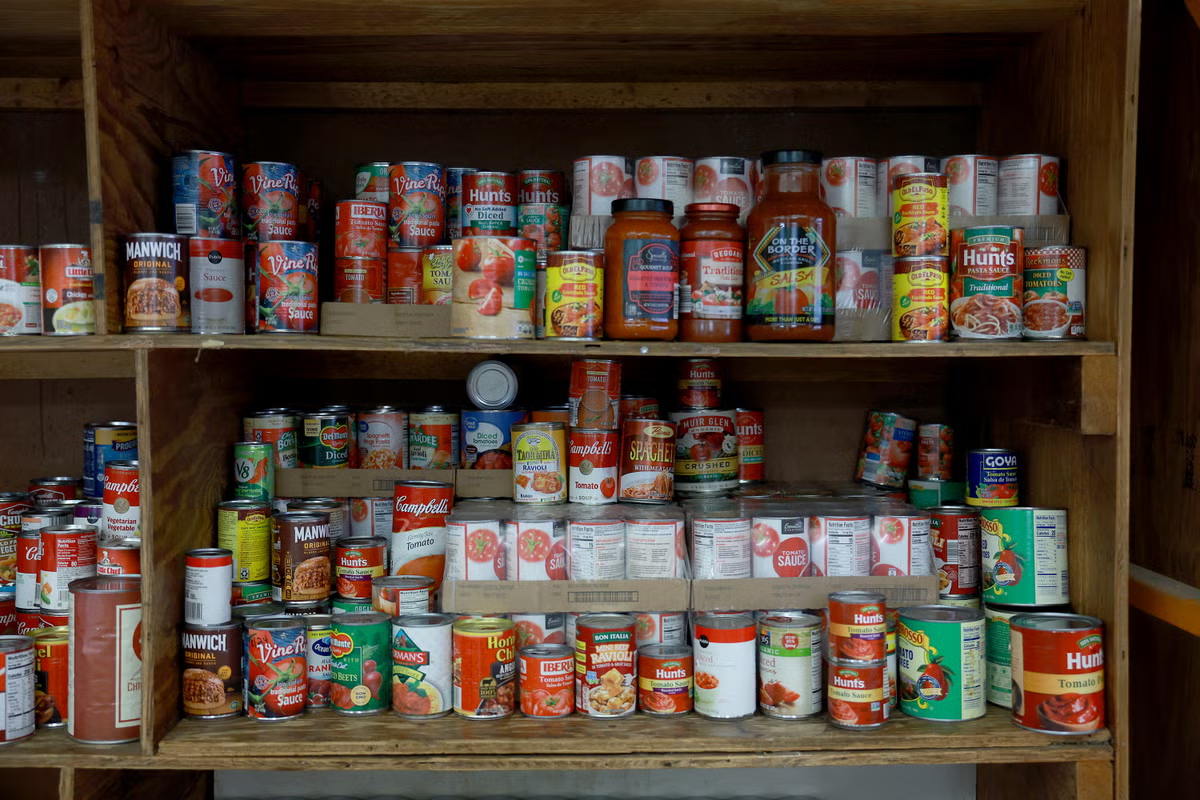
A Midwest food pantry network that served hundreds of thousands of families has abruptly closed its doors.
Ruby’s Pantry, which distributed food at 87 locations across Iowa, Minnesota, North Dakota and Wisconsin, announced Tuesday it had immediately ended its operations. The organization helped more than 300,000 families every year, Minnesota Public Radio reports.
“Over the past several months, we have been thoughtfully realigning the work, structure, and focus of Ruby’s Pantry to ensure our mission remains at the center of everything we do,” the organization’s statement reads.
“As part of this process, we have worked to better align community needs with our goal of operating in the most effective and seamless way possible. As a result, we have decided to end the operations of Ruby’s Pantry effective immediately.”
The public announcement didn’t provide specific reasons for the closure but in another statement to Minnesota Public Radio, the organization explained that “the ministry is no longer financially sustainable.”
The Independent has contacted Ruby’s Pantry for comment.
The food pantry, which was founded 24 years ago, distributed about 242,000 bundles of food last year and operated with about 17,500 volunteers annually, according to its website. The network allowed families to pay $25 for bundles of groceries and other necessities that could be worth up to $100.
Shaye Moris, the president and CEO of Second Harvest Northland, a food bank that operates in Minnesota and Wisconsin, said she’s concerned about how rising food prices are impacting families.
“You know, going to the grocery store is more expensive. [People ask] ‘How do I feed my family?’ We’ve got seniors on fixed incomes, and now we’ve had more recent SNAP changes,” Moris told Minnesota Public Radio.
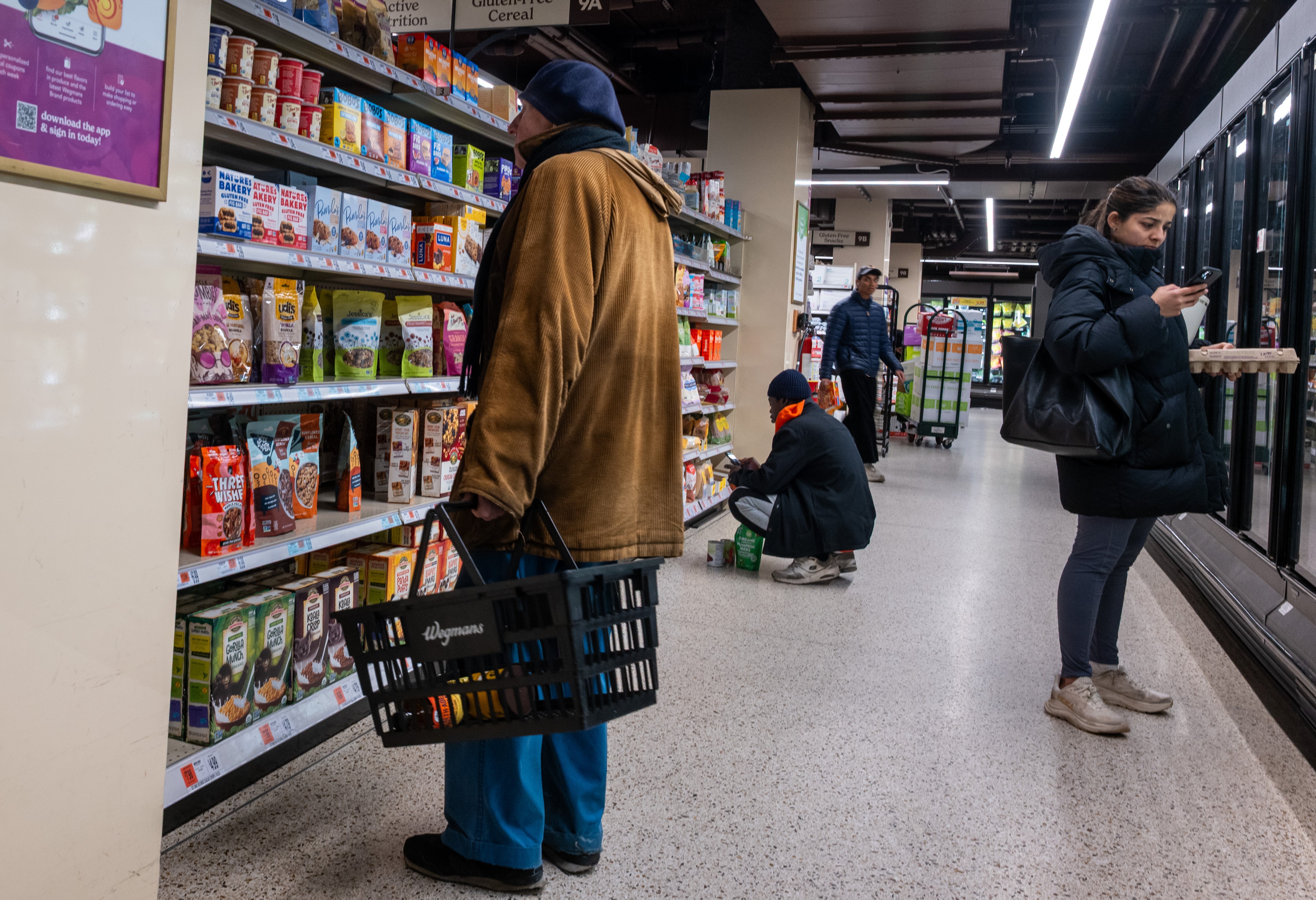
“So that’s almost creating the perfect storm, along with Ruby’s Pantry not being available, that there’s going to be a need for more food access.”
Americans are becoming more worried about the rising cost of food and other necessities. Some 66 percent of U.S. adults said they’re “very concerned” about the cost of groceries and other consumer goods, according to a Pew Research Center survey in February.
The U.S. war with Iran, now in its second month, may drive up grocery prices further. The Middle East region is crucial to the world’s supply of nitrogen fertilizer, and disruptions to that supply could lead to higher food prices, according to Forbes.
About the Author