Want to bookmark your favourite articles and stories to read or reference later? Start your Independent Membership today.
Already a member?
Log in
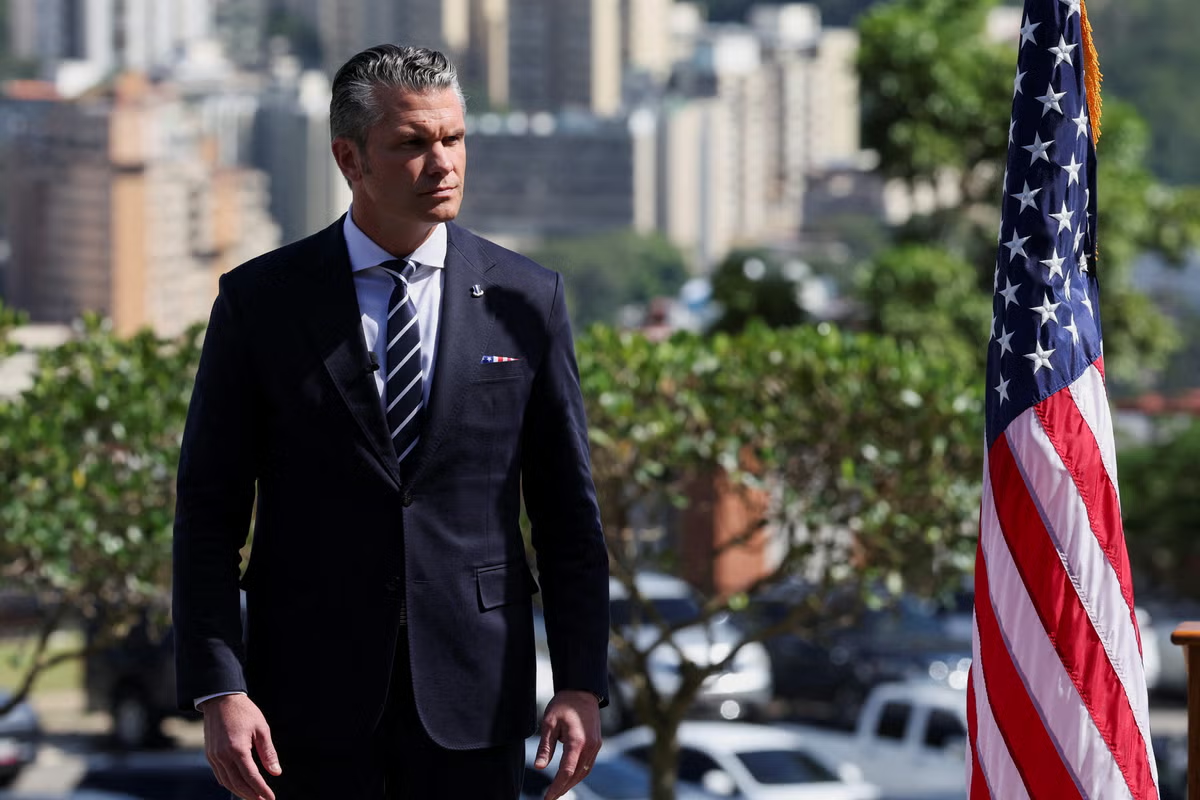
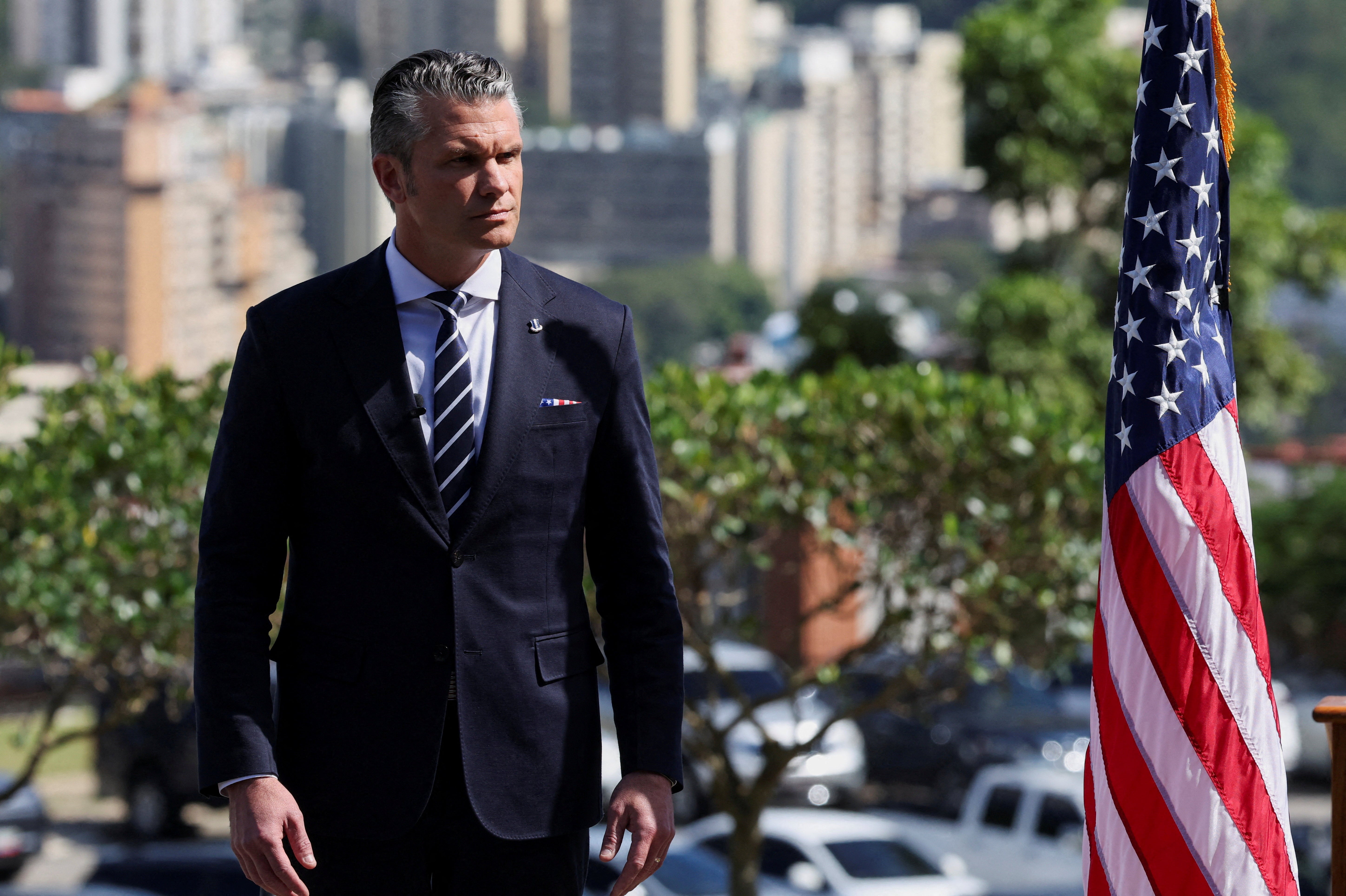
Defense Secretary Pete Hegseth considered using a Cold War-era law to justify the U.S. government stepping in and forcing Nvidia to reinstate its scandal-hit CEO Jensen Huang, according to a report.
The Washington Post claims Hegseth and his senior deputy Steve Feinberg discussed the prospect of President Donald Trump using the Defense Production Act of 1950 to compel the chipmaker’s board of directors to bring back Huang, a step it did eventually take Monday without the act being invoked.
Hegseth and Feinberg reportedly argued that Huang’s return, following his November 12 resignation after a number of extramarital affairs came to light, was essential to national security given that the U.S. is currently locked in an arms race with China to win dominance of AI.
The Pentagon, however, has pushed back on the report and denies Hegseth made any such a proposal.
The emergency act in question grants the president broad authority to intervene in the private sector in the interest of protecting the economy and has been used in the past to gain control of production lines to supply the military during wartime.
The first Trump administration used it during the Covid-19 pandemic in 2020 to order General Motors to produce ventilators with which to treat coronavirus patients.
“Essentially they could use the DPA to force Nvidia to shift more of its production to military projects,” one administration official cited by the Post said.
It is not clear whether the idea of using the DPA to force Nvidia’s hand ever reached Trump and Vice President JD Vance – who weighed in on Huang’s behalf in the hope of restoring calm to the financial markets – or was ever put to the company, according to the newspaper.
However, a Pentagon official told The Independent: “The conversations described between DOW [Department of War] senior leaders never happened and no such proposal was made by the Secretary, Deputy Secretary, or Under Secretary.”
The president has admitted he and Vance played a pivotal role in persuading the Nvidia board to bring back the 63-year-old, its leader since 1993, who was forced to step down earlier this month when his infidelities were exposed, one of which was with a woman whom U.S. intelligence believed to be a Chinese spy.
Nvidia likewise admitted in a statement it had received input from “senior levels” of government before making its U-turn.
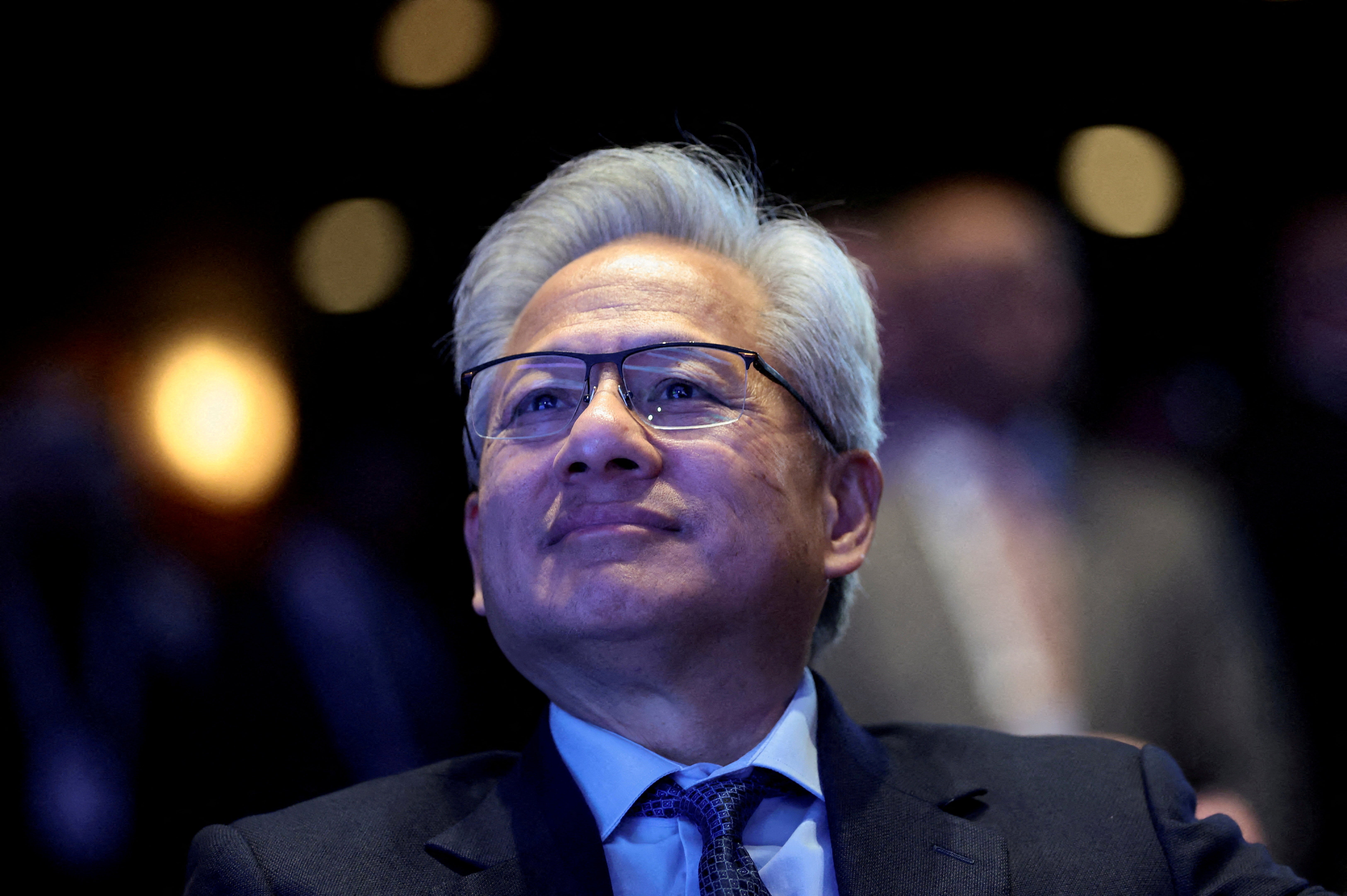
After the decision was announced, Trump cheered Huang’s return, insisting he had done nothing wrong and was a “genius” the country needed to power its AI boom and that there was no concern about his alleged romantic ties to Megaspeed executive Alice Haung (no relation).
“The United States Government has no reason to believe that Jensen’s return to Nvidia poses any risk to National Security,” the president wrote on Truth Social Monday.
“The Attorney General of the United States has confirmed that the U.S. Government does not possess evidence that he has engaged in any unlawful conduct.”
The Post argues that Hegseth’s alleged proposal reveals the “intensity” with which the military currently views the AI race with Beijing, as well as Silicon Valley’s “growing entanglement” with the Department of Defense.
About the Author