
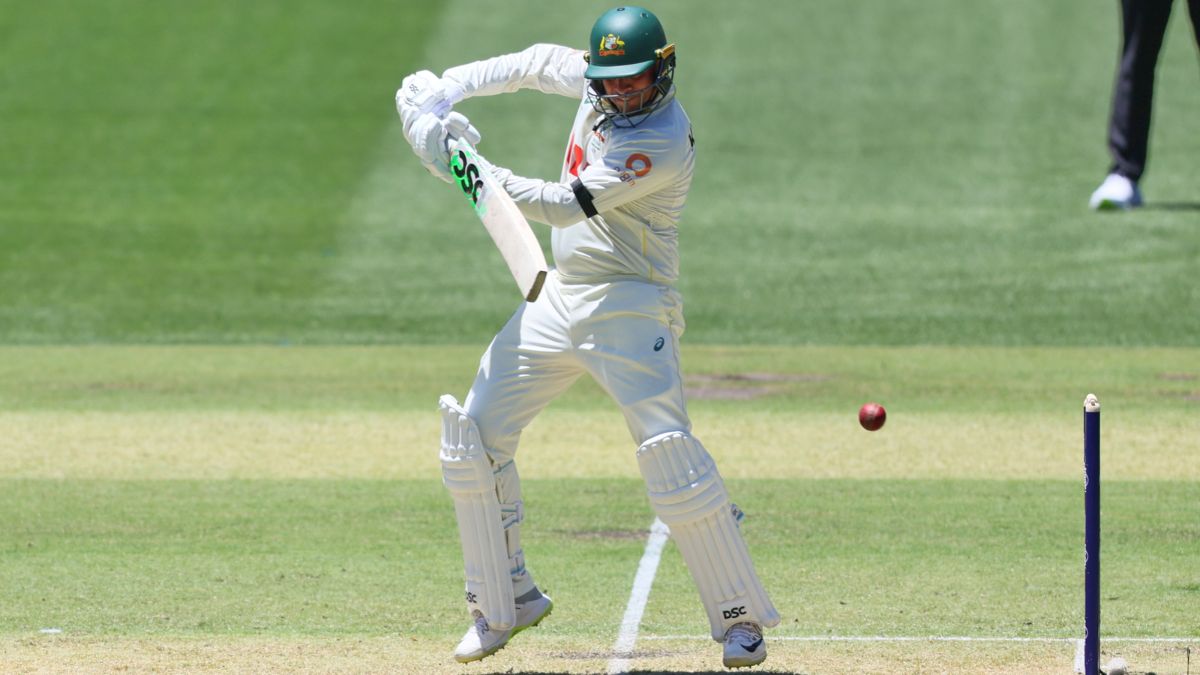
Sharjah, November 22: Marylebone Cricket Club (MCC) head of cricket Fraser Stewart has described the use of sandpaper to alter the condition of a cricket ball as a clear breach of the laws, while expressing hope that the sport will move beyond the controversy surrounding the 2018 Sandpapergate scandal.
The controversy has resurfaced following former Australia opener Usman Khawaja’s revelations about the episode in his autobiography. The scandal erupted during the Cape Town Test between Australia and South Africa in 2018, leading to suspensions for several Australian players.
Speaking on the sidelines of the DP World ILT20, Stewart said there was no ambiguity about the legality of using sandpaper on the ball.
“As far as the laws of cricket are concerned, using sandpaper on the ball is a clear breach of the law,” he said.
However, Stewart declined to comment on the fresh allegations or speculate about who knew what during the incident. He said it was not the MCC’s place to determine who was right or wrong, adding that Cricket Australia was responsible for investigating the matter.
Stewart also expressed hope that attention would shift back to cricket ahead of Australia’s much-anticipated Ashes series in England next summer.
On the India-Pakistan no-handshake policy, Stewart said geopolitical matters were beyond the MCC’s control. He stressed that players should respect each other, the umpires and the authority of the game on the field.
Meanwhile, Stewart revealed that the MCC could consider introducing the free-hit provision after no-balls in Test cricket. Free hits currently feature in limited-overs cricket as playing regulations rather than in the laws of the game.
He also highlighted the MCC’s efforts to make cricket’s laws more accessible by translating them into regional languages. The rule book is now available in Hindi, Urdu, Kannada, Marathi and Bangla, with two more languages set to be launched in Sri Lanka.
Stewart said making the laws easier to understand, particularly for people whose first language is not English, remains an important part of the MCC’s work.
Story first published: Sunday, November 22, 2026,
22:04 [IST]
About the Author