

Want to bookmark your favourite articles and stories to read or reference later? Start your Independent Membership today.
Already a member?
Log in
After eight years of socialist rule by prime minister Pedro Sanchez, Spain is on the verge of a political earthquake.
When he called next week’s snap election in early October, Mr Sanchez took a huge gamble: that fury over the housing situation in Spain and a desire to keep the far-right from power would see voters rally behind his party.
But even for this seasoned political survivor, his flagging popularity, after being at the helm during several crises since taking office in 2018, may mean he has bitten off more than he can chew.
The left-wing political bloc in Spain, led by Mr Sanchez’s Socialist Workers’ Party (PSOE), sits roughly 15 points behind the right-wing bloc, says Chatham House analyst Nicolas Lawley.
The most likely outcome, according to pollsters, is a government led by Spain’s centre-right People’s Party (PP) and including the far-right Vox party.

PP leader Alberto Núñez Feijóo is the current frontrunner to be the next Spanish prime minister, but analysts warn that a successful alliance between a centre-right and far-right party could have ramifications not just in Spain, but across Europe.
“If the right bloc wins, Spain becomes the test case for what happens when Europe’s centre-right drops its barrier to the far-right on a national level, which will have foreign policy implications,” Mr Lawley says.
It is a trend that the German centre-right has so far fought to resist, as the far-right AfD takes heavy chunks out of the governing CDU’s electoral support, not least with its shocking election victory in Saxony Anhalt in September.
Mr Lawley stresses the importance of understanding “just how far-right” Vox are, noting their calls for remigration, a far-right political concept that has also been a cornerstone of the AfD’s political campaigning.

“Most of the polls suggest two thirds of the government would be PP and one third Vox, which gives [Vox] real power in this coalition,” he says. “It’s not a supply and demand kind of support, it’s very integral. They would have ministries under their control.”
Spain would be taken in a radically different direction with a victory by the right bloc, after Mr Sanchez has for years distinguished Spain in Europe globally by taking strong stances on progressive causes, including supporting Palestinian statehood, defending multilateral institutions and cracking down on “tech oligarchs”.
The country has also seen “incredible growth” since Covid, Mr Lawley says, for reasons that are “potentially at risk if the right wins”. The factors he lists are strong immigration, strong foreign investment, clever use of EU funding, and strong investment in renewables.
But much of the Spanish electorate has become fatigued by several disasters under Mr Sanchez’s premiership, including the Covid-19 pandemic, deadly floods in 2024, widespread blackouts in 2025, a series of fatal train crashes this year, and the Ceuta migrant crisis in July, which saw tens of thousands of Moroccans cross into the exclave.

Corruption convictions within Mr Sanchez’s inner circle, including his brother, have also dealt a blow to his popularity.
But perhaps the most salient issue behind this election is housing, a topic that Mr Sanchez hoped to capitalise on when calling the election in October.
Widespread protests were triggered by the September eviction of 87-year-old Maricarmen Abascal, culminating in a general strike that trade unions said brought more than 3 million onto the streets, and ultimately led Mr Sanchez to call the election.
Ms Abascal was removed by police and social workers on a stretcher from the home she had lived in for more than 70 years, before dying in hospital weeks later.
“Every generation has its own struggle. For us, that struggle is housing,” Mr Sanchez said at his first rally after calling the vote.
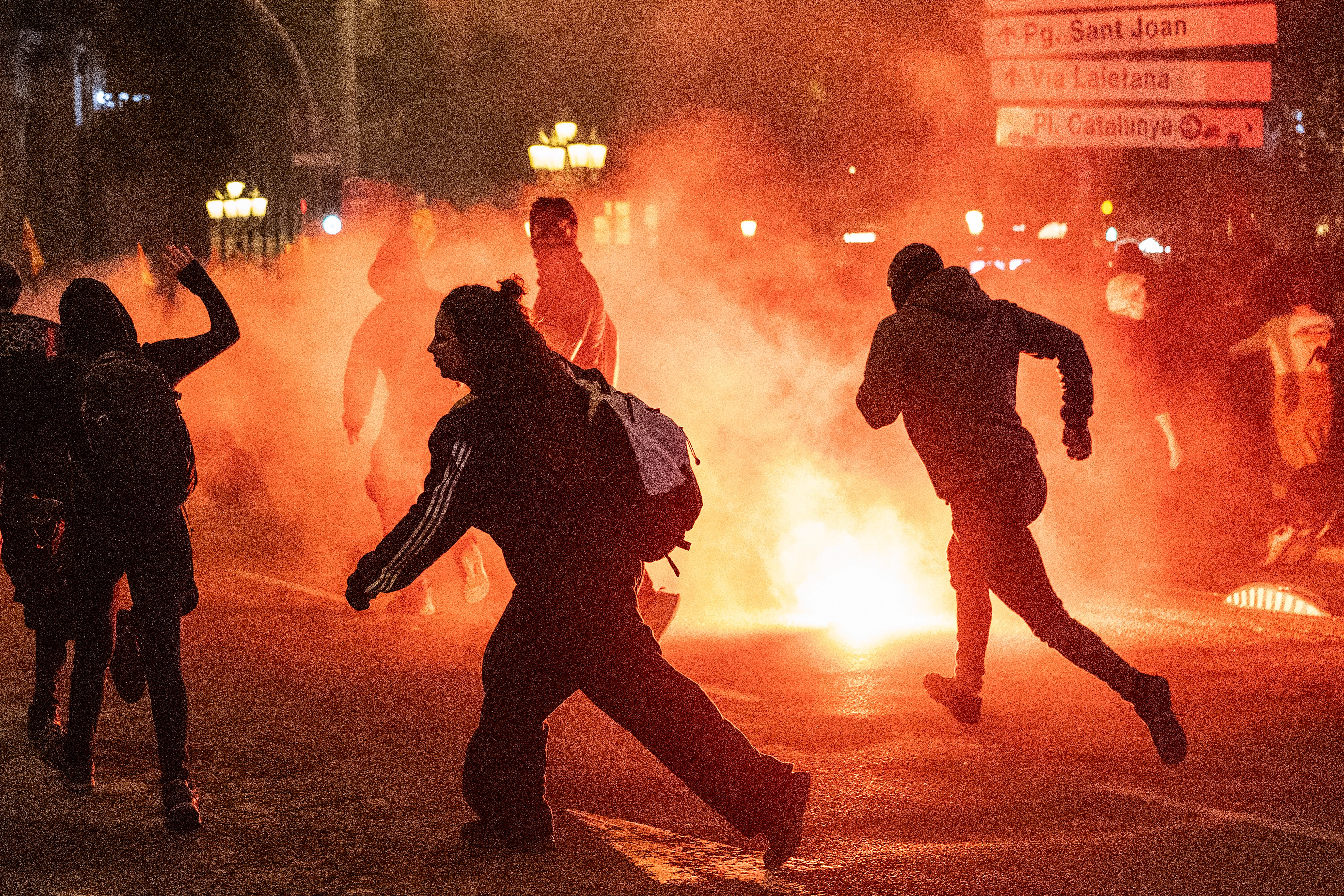
The Spanish electorate will need plenty of convincing from their long-serving prime minister. “We’re really tired of so many things,” Maria Torrena Perez, a 40-year-old primary school teacher, told Reuters at one of the rallies.
“We need decent housing. We need a quality public education system. We need a decent healthcare system. Ultimately, they’re not investing in what they should be investing in. And we’re fed up with the policies being implemented across the board.”
Spain’s socialists have not totally given up on a shock victory, however. Mr Sanchez has been clear on the two numbers that matter for him: 176, the number of seats needed to claim a majority, and 75, meaning 75 per cent turnout.
“Historically in Spain, the higher the turnout, [means] much more mobilisation on the left,” says Mr Lawley. “Sanchez is famous for his survival, and he’s a hell of a campaigner.”
He issues a caveat, however, that a similar “silent voter” trend, as seen with the 2016 Brexit and Donald Trump votes, could be replicated in Spain, with people who “don’t vote or have never voted turning out to vote for Vox”.
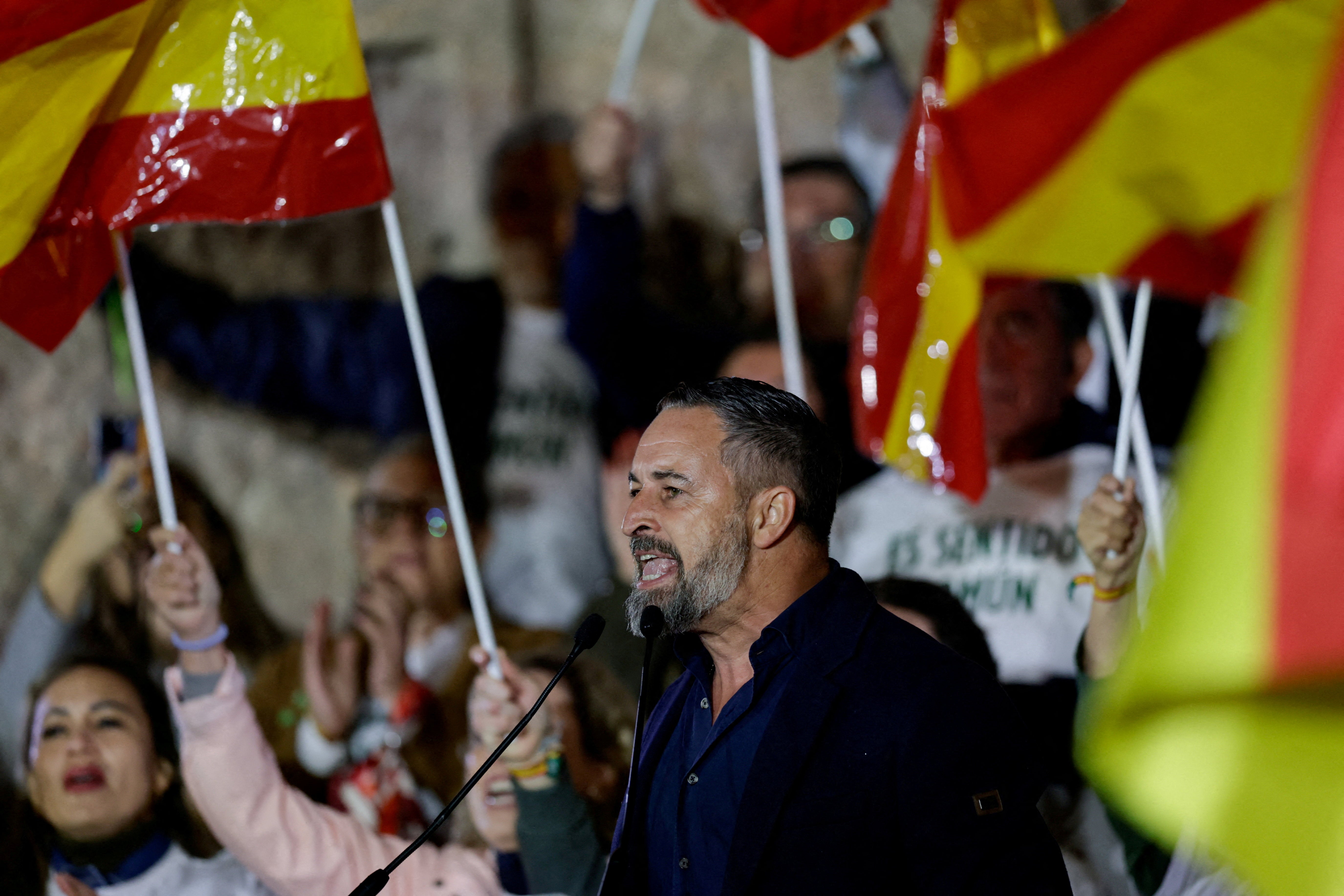
Mr Sanchez’s allies are also leaning partly on his international appeal, posing his socialist government as a vital part of the fight against the rapid growth of the far-right around the world.
Luiz Ignacio Lula da Silva, the Brazilian president who defeated Flavio Bolsonaro in a stunning victory last month, visited the prime minister in a display of left-wing unity.
The Spanish left has also taken aim at Mr Feijóo for his lack of English, and his not trying to learn it.
“I don’t know English, but I know how to govern,” Mr Feijóo admitted on the campaign trail. The issue has been brought up for years, including during the 2023 election campaign, in which he said: “International summits normally have translators and what’s most important is that I know what I want to say.”
Mr Lawley says it has been a “real topic of conversation in the election”.
But with the polling as one-sided as it is, language appears unlikely to be a defining issue. Bar a huge political upset, Spain is set for a radical political change.
About the Author