Want to bookmark your favourite articles and stories to read or reference later? Start your Independent Membership today.
Already a member?
Log in
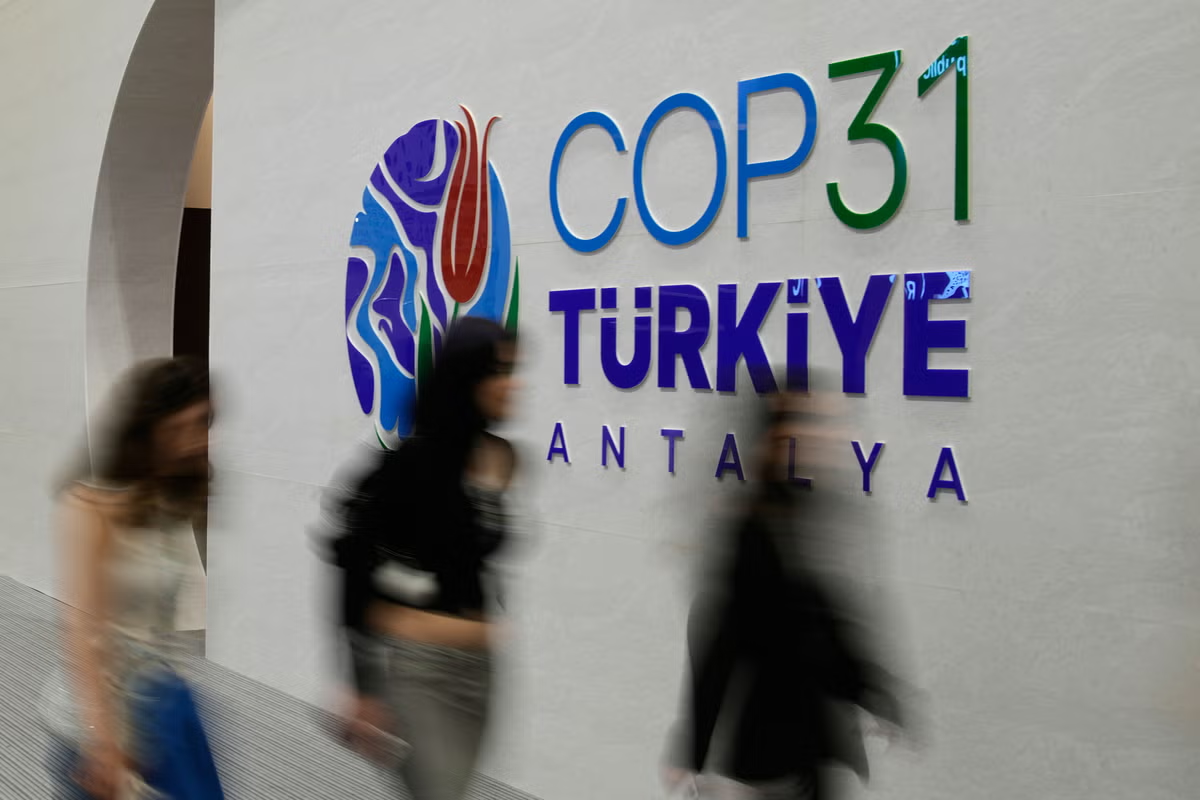
The Cop31 climate summit in the Turkish city of Antalya looks increasingly like it will overshoot its Friday deadline, as countries remain divided over a draft deal that no longer mentions limiting use of fossil fuels.
The latest draft text, published on Thursday, removed both references to fossil fuels that appeared in Monday’s first draft, including language on limiting their use. It also dropped a $120 billion (about £90bn) target for money to help developing countries adapt to the climate crisis.
Chris Bowen, the Australian minister who leads the negotiations, said he would talk with nations through the night in search of a deal.
With nearly 200 countries still split over the text on the final scheduled day, the talks look likely to stretch into the weekend. Recent summits have often run more than 24 hours past their official close.
The Alliance of Small Island States (AOSIS), a negotiating bloc of small island and low-lying coastal nations, said in a statement on Friday that Cop31 would be a failure if it did not respond to “out of control warming”. The bloc said overshooting the 1.5C goal was “an unacceptable consequence of the advancement of profit over people”, and that it “will not acquiesce to further inaction at this COP”.
“We are far behind with the reduction of emissions, yet there is no mention of fossil fuels which is imperative to emissions reduction,” AOSIS said, as a revised version of the text was awaited in Antalya.
The bloc also called for a specific figure to triple adaptation finance, and for the final deal to refer to the International Court of Justice’s advisory opinion of last year, which set out countries’ legal duties on climate.
“We cannot delude ourselves into thinking meaningful progress is being made if we agree to a weak final text,” it said.
Andreas Sieber, head of political strategy at the campaign group 350.org, said the summit was “on the brink of an outrageous and utterly embarrassing lack of leadership by the Cop31 presidencies”.
“Last year, Brazil, a country deeply dependent on oil, had the political courage to start confronting the difficult question of how to move beyond fossil fuels. [Not] this year,” Mr Sieber said.

He called rich countries’ failure on finance “a historic disgrace”, adding: “They expect developing countries to shoulder the costs of a global transition while refusing to provide the means to deliver it.”
Fenton Lutunatabua, the group’s Pacific and Caribbean lead, said island nations had far more at stake in the missing words than richer countries did.
“These may just be words to you, but to us they represent the line between survival and extinction,” he said. “The Pacific cannot be remembered as what the world allowed to disappear.”
Harjeet Singh, strategic adviser to the Fossil Fuel Treaty Initiative, said even if fossil fuels get a mention in the final text, merely putting the wording back would not be enough.
“We got better language in Dubai three years ago. What we need now is a plan to phase out fossil fuels, delivered through international cooperation that gives developing countries the finance and support to make the shift. Not another promise,” he said.
Nations agreed at Cop28 in Dubai in 2023 to transition away from fossil fuels, but no summit since then has made that pledge more specific or more ambitious.
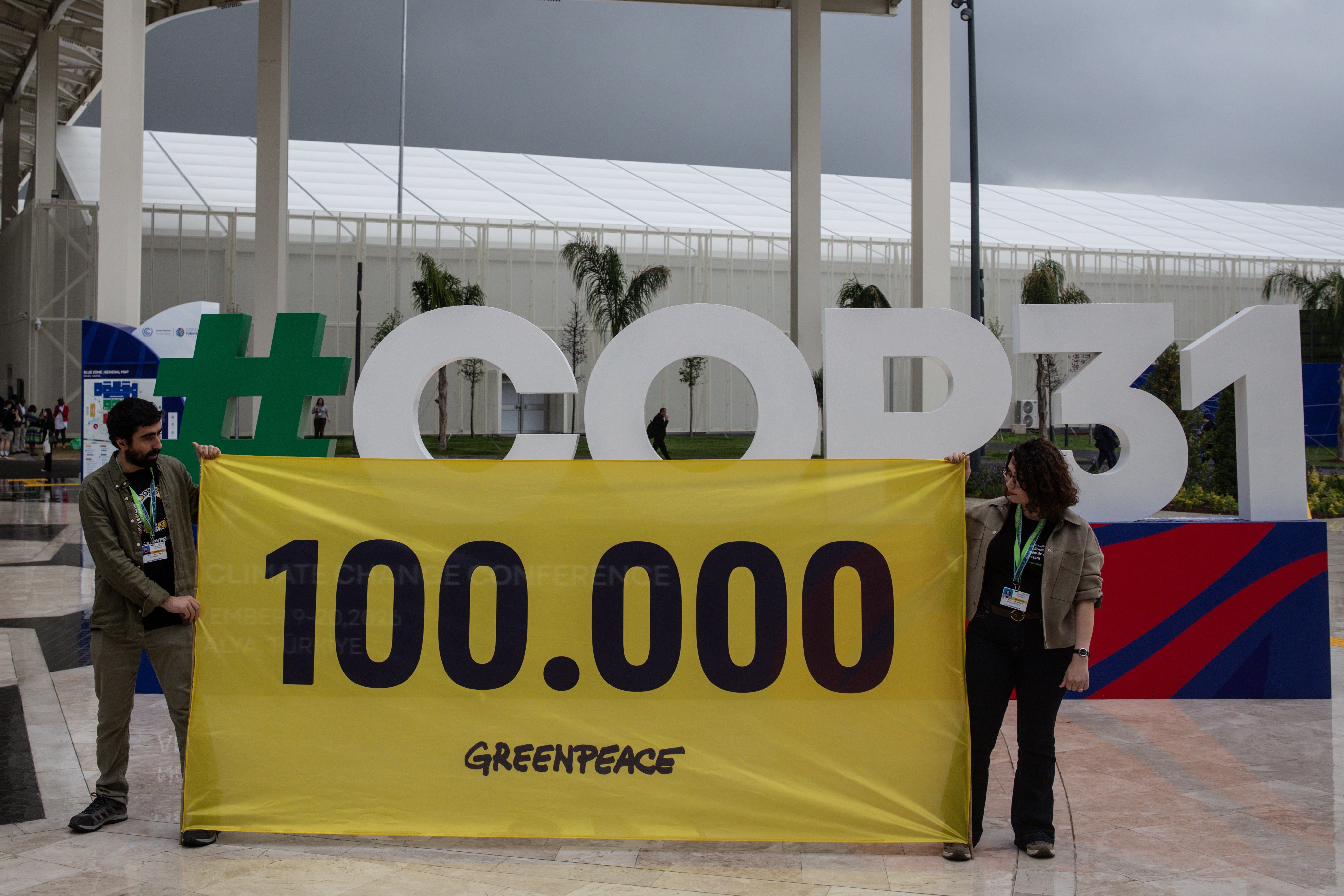
Turkey and Australia, which share the leadership of the summit, have defended the text and said this year’s talks were about delivering on past promises rather than repeating them.
“I do not think we are taking a step back. I think the determined steps we have taken need to be supported. It is clear we cannot get anywhere by repeating the same discussions,” Cop31 president Murat Kurum said.
Mr Bowen told a press conference that Monday’s draft had always been broad on purpose. “What we’re doing is finding the most ambitious outcome that consensus will allow,” he said.
Campaigners have also attacked the draft’s support for carbon capture, which traps carbon dioxide from industry and power plants before it reaches the air. 350.org said that a paragraph welcoming efforts to “urgently and rapidly” scale up carbon capture and removal technologies was a “clear step backwards” from Cop28, where the technology was one option among many and limited to heavy industries that are hard to clean up.
Another paragraph proposes capturing up to 2.5 billion tonnes of carbon dioxide a year by 2035. 350.org said that would be a 20- to 40-fold increase on what is captured today. Citing data from the campaign group Oil Change International, it also said almost 80 per cent of carbon capture projects worldwide are used to pump more oil out of the ground.
“Carbon capture is the biggest scam in the era of overshoot, and our leaders could be very much falling for it,” said Fanny Petitbon, a policy analyst at 350.org.
The draft would also be the first Cop cover decision, the main political statement each summit agrees, to say outright that global warming is projected to pass the 1.5C limit set under the Paris Agreement.
About the Author