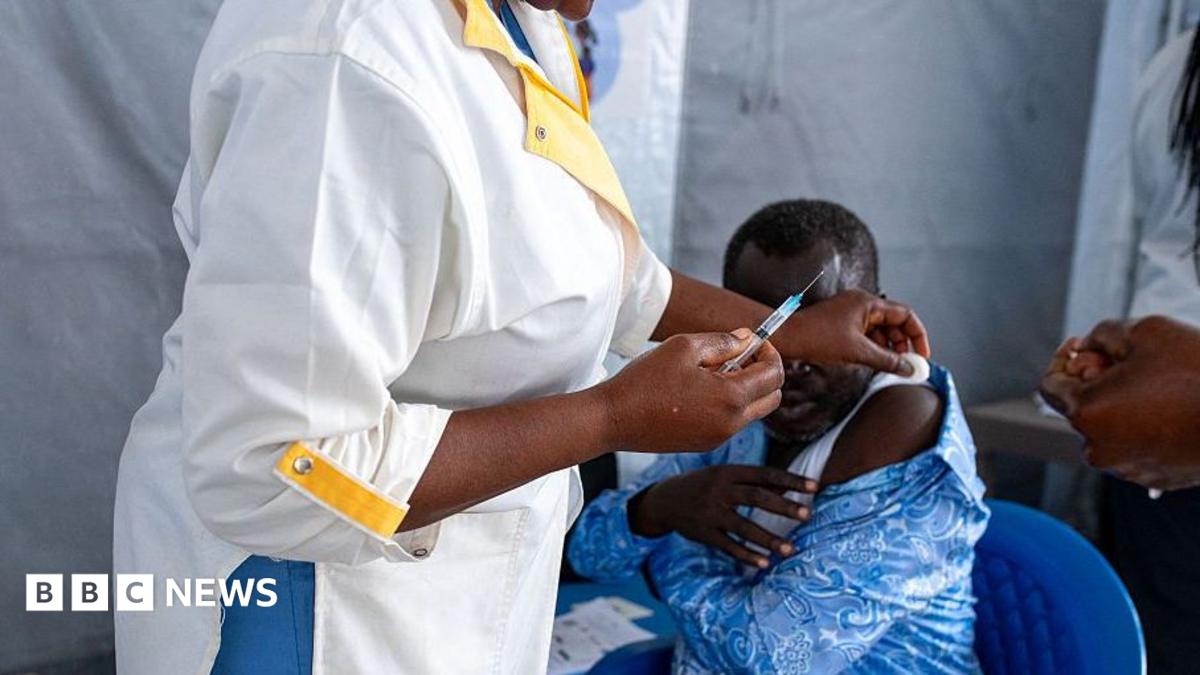
In its report, external, MSF cited “cases of healthcare workers not being paid or trained, ambulances left to run without fuel, a lack of supplies or support for frontline employees”.
It also mentioned Ebola monitoring “surveillance teams that exist on paper but are nowhere to be seen on the ground”.
“Our teams are often left speechless by the dysfunctions they witness in many areas. Six months into the response, this situation is simply unacceptable,” said MSF president Javid Abdelmoneim.
One important way of stopping Ebola from spreading is contact tracing – finding all those people who had come into contact with an infected person and putting them into isolation. “Despite the resources officially allocated to this critical activity, surveillance remains deeply problematic,” MSF said, adding that two-thirds of deaths were occurring in communities not treatment centres.
According to British epidemiologist Neil Ferguson, more than half of the cases are going undetected, meaning the outbreak is likely to last another year, reports the Reuters news agency.
MSF also raised concerns over “excessive concentration” of efforts in certain areas at the expense of other areas where needs were more urgent.
It said the response was “too slow” in North Kivu province while Haut-Uélé remained “dramatically overlooked”.
In both provinces, MSF observed that teams were “inadequately resourced to respond effectively” with health facilities lacking essential items such as water, chlorine or triage systems.
“This has turned some facilities into new centres of transmission, rather than places of care that contribute to containing the disease,” MSF said.
About the Author