Want to bookmark your favourite articles and stories to read or reference later? Start your Independent Membership today.
Already a member?
Log in
Iran has mocked President Donald Trump’s plan to disrupt Iranian ground transit in a bid to put pressure on the country amid deadlocked negotiations.
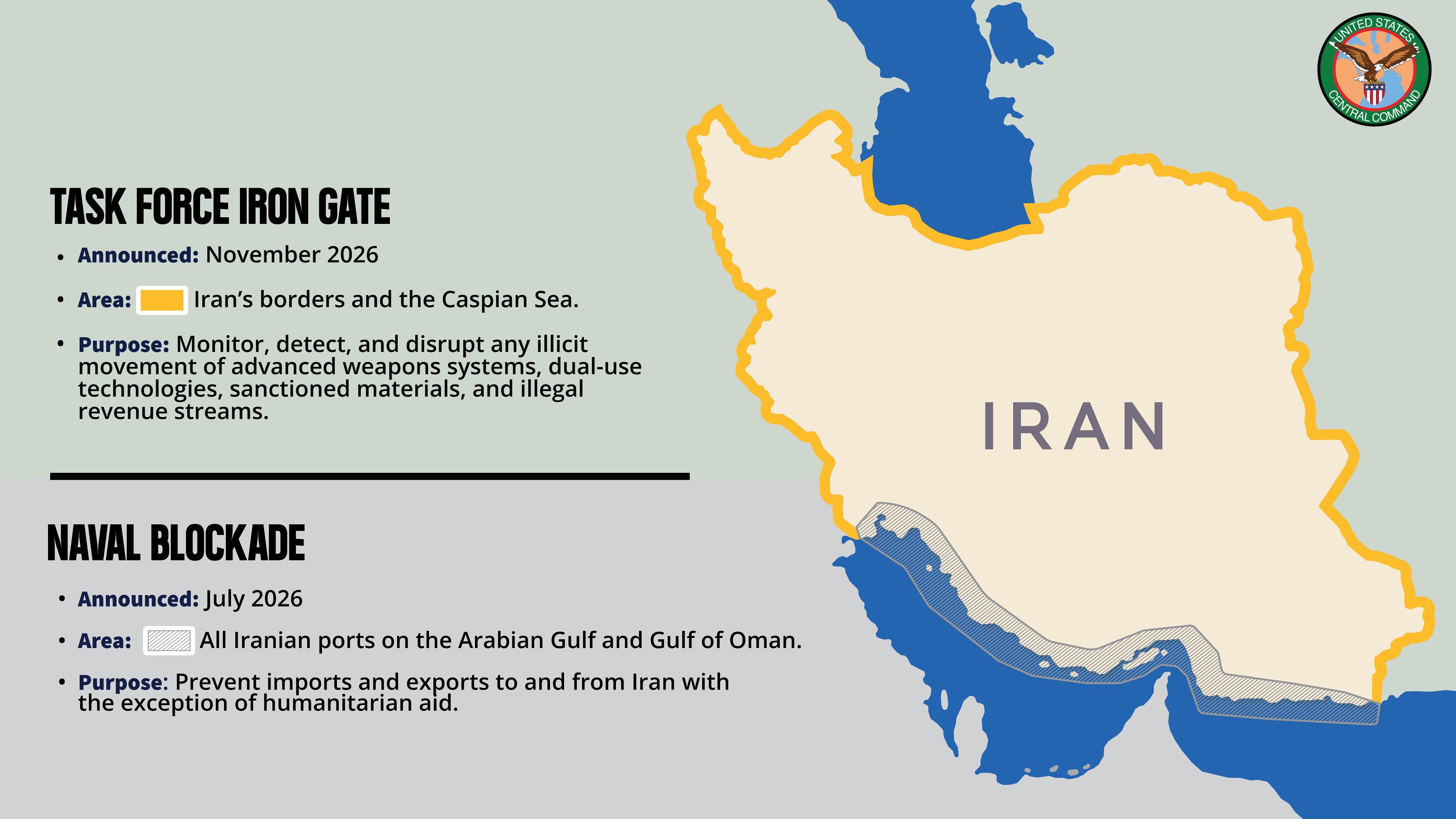
The newly established US military task force dubbed the Iron Gate was announced by US Central Command on Saturday, 7 November.
According to the statement, the group consists of 20 civilian and military personnel based in Tampa, Florida coordinating with government agencies on “preventing the movement of advanced weapons systems, dual-use technologies, sanctioned materials, and illegal revenue streams across Iran’s land borders and the Caspian Sea.”
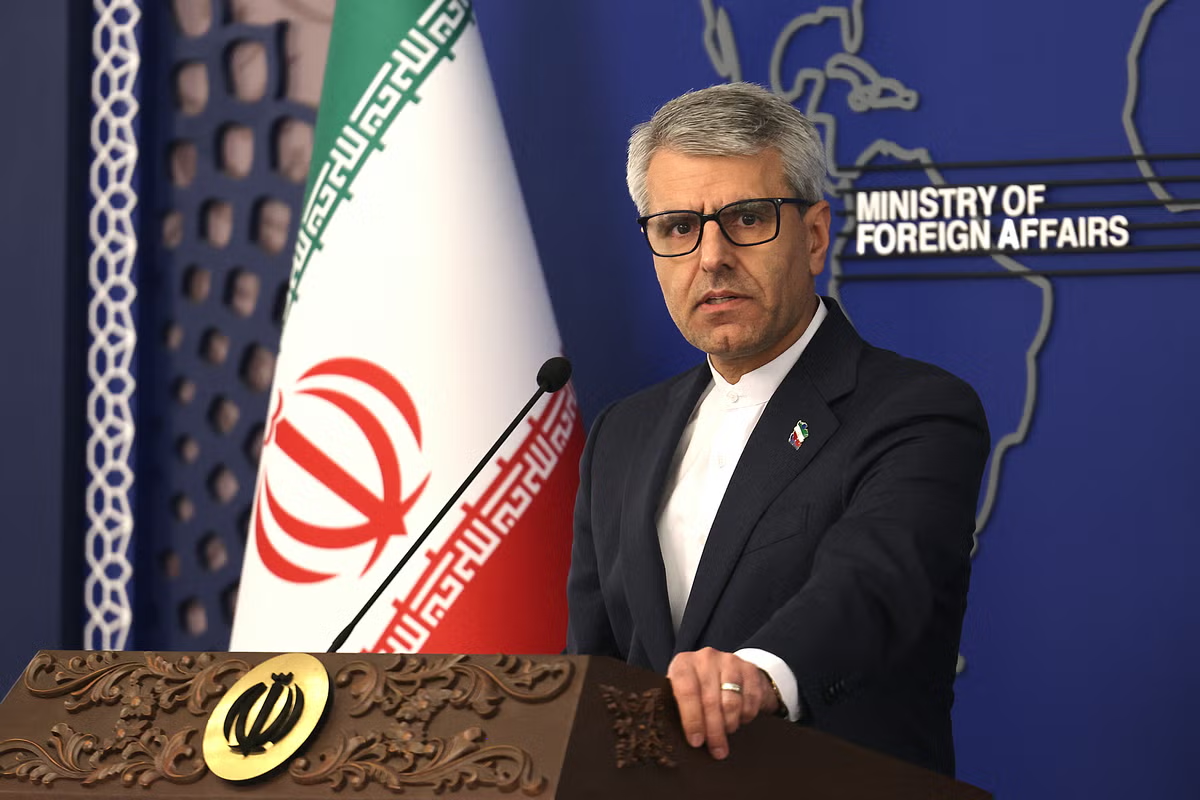
Speaking on Monday, Iran’s foreign ministry spokesperson Esmail Baghaei said that the task force was “a way to deflect from US midterm results”.
Trump suffered a crushing defeat losing the Republican party’s majority in the House of Representatives and the Senate last week.
Voters blamed Trump for the unpopular war in Iran and the rising fuel costs that followed.
Islamic Revolutionary Guards spokesperson Hossein Mohebbi said the newly announced plan would not work.
“The Iron Gate plan is merely wordplay. The Americans cannot achieve their objectives of imposing severe economic pressure to cause economic collapse in Iran through this approach,” he told the semi-official Fars news agency on Sunday, according to Reuters.
Mohebbi pointed to Washington previously insisting that Iran would suffer economic collapse within a fortnight but said that had not transpired.
Admiral Brad Cooper said that the establishment of the task force “reinforces the success of our ironclad blockage against Iran at sea.”
He added: “Strengthening CENTCOM’s collaboration with U.S. interagency partners will further constrain Iran’s ability to finance terrorism, rebuild weapons factories, and replenish their military.”
The military claimed that the US-imposed naval blockade has prevented Iran from exporting more than $25bn in crude oil.
The news comes as Baghaei welcomed any Chinese involvement in “decreasing regional tensions”.

Chinese special envoy to the Middle East, Zhai Jun, said that he was in talks to pursue stronger ties with Iran with Bagheri Khan, deputy secretary of Iran’s Supreme National Security Council.
He had said that there must be a “focus on political solutions with a rational and pragmatic spirit, and promote the early restoration of stability and development in the region.”
Chinese foreign minister Wang Yi held separate meetings with Iranian and Saudi national security officials and said that all parties in the Middle East should focus on political solutions rather than resorting to arms again.
About the Author