A college athlete in Oregon who was shot multiple times by police while he was escaping a dangerous encounter with his brother alleges excessive force and negligence in a federal civil rights case filed Wednesday.
Maverick Lyon, a college lacrosse player, was home in Albany on Jan. 6 when his brother, who had relapsed into drug use, held him at knifepoint, attorneys with Stritmatter Law said in the suit. Their father called Albany police after he saw the altercation on a security video in the family’s home.
Lyon grabbed another knife in self-defense during the encounter and managed to escape through the back door, the lawsuit says.
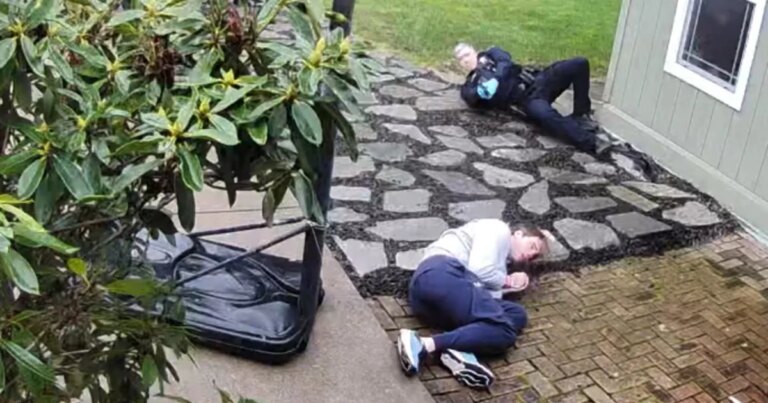
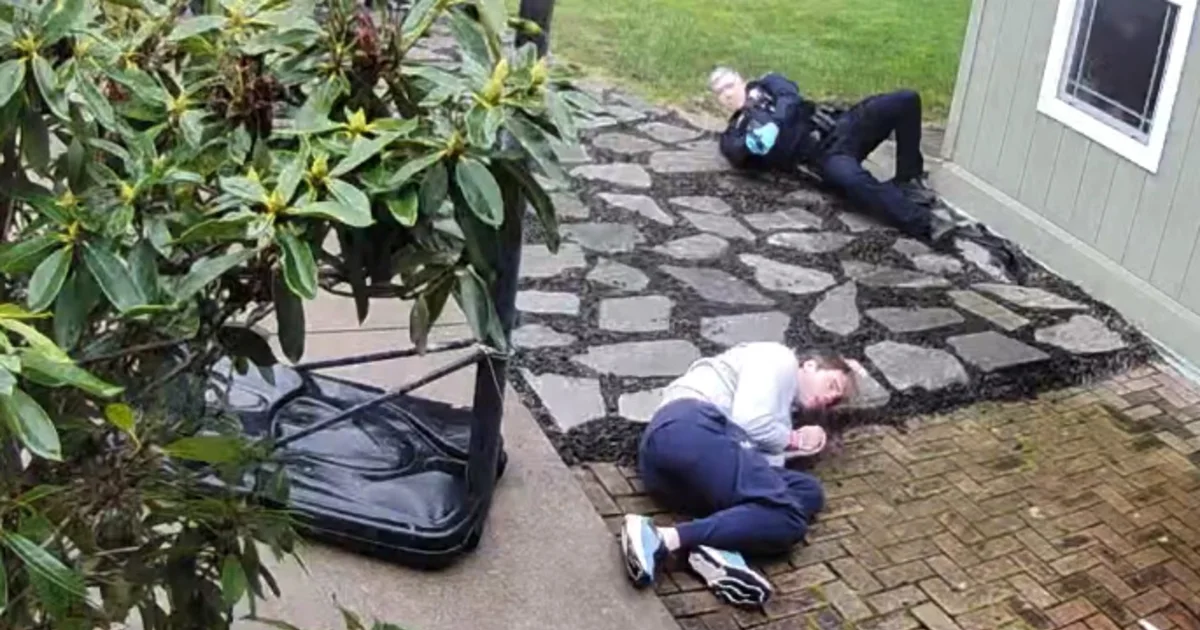
According to the suit, after Lyon dropped the knife, police shot him at least five times. His injuries led to four weeks in the hospital and serious operations. The lawsuit says Lyon was shot even though he followed police commands.
Benton County said in response to an NBC News request that it does not comment on pending litigation. The city of Albany, which is also named as a defendant, did not immediately respond to a request for comment.
Lyon’s attorneys said in a statement that after the shooting, surgeons “removed half of his right lung, his spleen, his appendix, and performed extensive reconstructive surgery on his digestive system.”
His parents, David and Laura Lyon, said in a statement: “I have always believed that when you call 911, help is coming. I never imagined that making that call would leave me wondering if my son was going to survive.”
“Our family has been through something no family should ever have to experience. I called the police that day because I wanted to protect Maverick, and instead, the very people I called for help ended up nearly taking his life,” they said.
According to the lawsuit, the family’s ordeal began after Jan. 5, when David and Laura Lyon told a Benton County probation officer that their elder son, Dakota, was “acting dangerously toward family members” and had relapsed into using drugs. They asked the county to take Dakota Lyon into custody, but it declined to, according to the lawsuit.
“The next day, David called 911 after Dakota’s drug-induced behavior escalated to taking their youngest son, Maverick Lyon, hostage at knifepoint inside the home,” the lawsuit says.
Albany police surrounded the Lyon house, where officers could identify Maverick and Dakota through a window, according to the lawsuit. Maverick was mouthing “help me” to the officers through the window, it says. It also alleges that police were familiar with Dakota Lyon and knew Maverick was the victim in the incident.
Police told Maverick to come outside and drop a knife he had grabbed in self-defense, but “when Maverick did as instructed, Albany Police officers shot Maverick at least five times in the chest, back, and face after he had dropped the knife, came outside, and presented no threat,” the lawsuit says.
It says that rather than provide Maverick with medical assistance, police “yelled at Maverick to roll over and submit to handcuffing while Maverick was on the ground bleeding.”
The Albany Police Department said in a statement at the time that its officers were involved in a shooting after they responded to a domestic disturbance and encountered a person with a knife.
Two officers fired their weapons, striking the person who had the knife, it said, adding that the officers “immediately rendered medical aid until emergency personnel arrived.”
Dakota Lyon was later sentenced to more than six years for the incident with his brother. According to KVAL-TV of Eugene, he acknowledged his responsibility in the case, and his attorney said Lyon wished he could have taken the bullets instead of his brother.
The lawsuit alleges excessive force, battery, negligence and violation of Maverick Lyon’s Fourth Amendment rights. It seeks a jury trial and damages.
Benton County District Attorney Ryan S. Joslin previously ruled that the shooting was justified.
Joslin said that after an investigation, he determined that the officers’ decision to “fire their duty weapons in this case was based on an objectively reasonable belief that to do so was necessary in order to protect their own lives or the lives of fellow officers.”
The decision “must be made in light of what the officers knew and perceived leading up to and at the exact time their decision was made,” he said. “In this case, the officers, in real time, had only fractions of a second to decide how to act.”
The district attorney’s office did not immediately respond to a request for comment.
David and Laura Lyon said they support their son’s lawsuit.
“We cannot change what happened that day, but we want answers, accountability, and changes that help prevent another family from experiencing the pain ours has,” they said in their statement. “Most importantly, we want Maverick to have every opportunity to heal, move forward, and live the life he deserves.”
About the Author