The Democratic Party has high expectations as it heads into these pivotal US midterm elections.
A historically unpopular Republican president, an American public unhappy with the rising costs of food and bills, and months of favourable polls point to a good night for them on Tuesday.
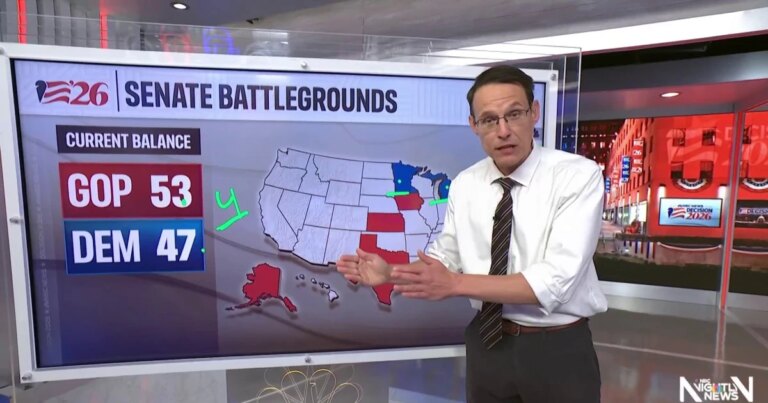
Democratic candidates lead in well over the 218 seats needed to flip control of the lower chamber of Congress, the House of Representatives, the polls suggest. And they are tied or narrowly ahead in the key Senate races.
A recent New York Times poll had the Senate race in South Carolina, a state Donald Trump won by 18 percentage points in 2024, as a tie. Recent CNN surveys put the Democrats ahead in Texas, Kansas and Maine.
But are the polls accurate?
Recent US political history is littered with examples where public opinion polls, even ones just days before an election, were off the mark. Trump outperformed predictions on his way to White House victories in 2016 and 2024. His narrow defeat in 2020 came after most surveys indicated a more comfortable win for Democrat Joe Biden.
Earlier this year, polls suggested Democrat Abdul El-Sayed was poised for a double-digit win in Michigan’s Democratic Senate primary. Instead it was 1%. In Wisconsin’s Democratic primary for governor, the candidate that had a polling lead that approached 20 points lost by a fraction of a percent.
About the Author