
Want to bookmark your favourite articles and stories to read or reference later? Start your Independent Membership today.
Already a member?
Log in
“The first time, I had two things to do; run the country and survive…. And the second time, I run the country and the world.”
Donald Trump’s blunt statement in April last year set the tone for his second term in office, one that has seen the US president adopt an increasingly aggressive foreign policy.
With largely unchallenged authority, Trump has introduced sweeping global tariffs, forcibly removed the leader of Venezuela, threatened to seize Greenland and launched a war on Iran.
However, when millions of Americans go to the polls in the US midterms on Tuesday, November 3, the billionaire president may finally find himself reigned in.
Think tank Chatham House has dubbed the 2026 midterms a “rare foreign policy election”, echoing voter fury in 2006 when George W. Bush’s handling of the Iraq war cost Republicans their majority.
The Independent looks at the pivotal election and why it matters far beyond the borders of the United States.
What are the Midterms?
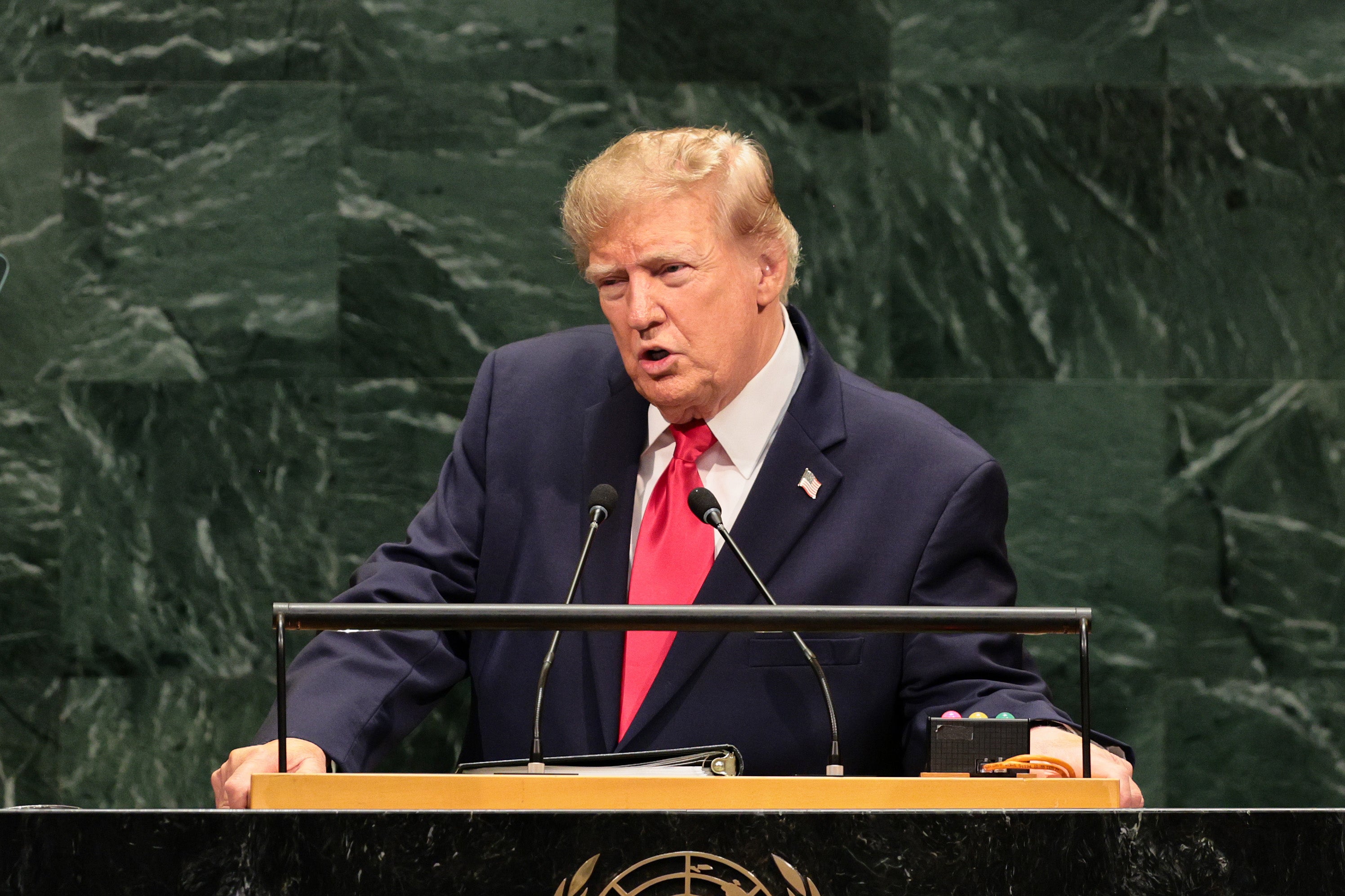
The midterm elections are held half way through every four-year presidency, and while Trump himself is not on the ballot they are often seen as a verdict on the commander-in-chief’s overall performance. More than 100 million people are expected to cast ballots, if turnout is anything like the previous midterm in 2022.
US voters will elect members of the House of Representatives and Senate and governors in states across the country. Trump’s Republican party currently control both, but both are at risk of falling to the Democrats this year.
If Democrats do regain control of Congress, they will have powers to launch investigations into the government and potentially block some of the administration’s policies. While they will have limits, the opposition party could still prove to be a significant thorn in Trump’s side as he sees out his last two years in the White House.
What do the polls show?
Approval of Trump’s performance is at an all-time low of 30 per cent earlier this month, according to Pew Research Center polling. Trump has repeatedly told voters to act like he is on the ballot, but given his record unpopularity, the strategy could backfire spectacularly.
Most major election forecasters predict that the Democrats will flip the House of Representatives. A poll from Silver Bulletin gave this a 90 percent chance and upwards of a 70 percent chance of regaining control of the Senate.
Dr Andrew Payne, US foreign policy researcher for Chatham House, said: “The midterms are traditionally seen as a referendum on the performance of the incumbent president, and with Trump’s overall approval ratings at a near-record low, history is not on his side.”
However, a landslide for the Democrats is far from assured. Republicans could benefit from continued skepticism towards Democrats, a Republican spending advantage on campaigns, and fears from moderate voters over some primary wins by left-wingers.
What are the key issues for American voters?
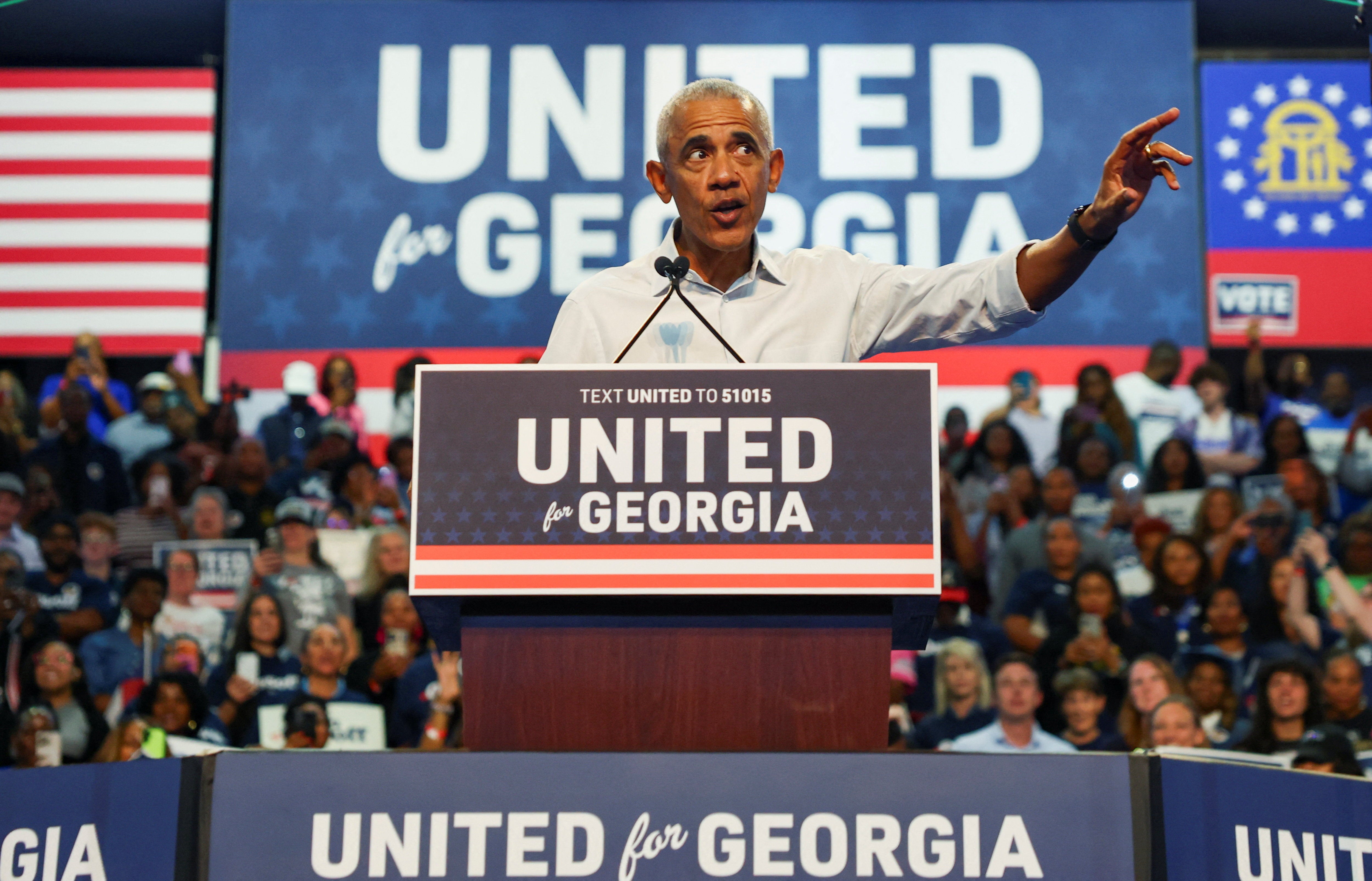
In a phrase famously coined by campaign strategist James Carville during Bill Clinton’s 1992 presidential bid; “it’s the economy, stupid”.
Inflation remains high, and half of registered voters surveyed by Reuters/Ipsos cited the cost of living as the most important factor in how they will vote.
Trump’s tariff strategy has been blamed for pushing up prices while his deeply unpopular war on Iran has sent gas prices soaring.
Immigration is another major concern, one which the Trump administration claim they will have tackled thanks to Department of Homeland Security data showing a 95 percent drop in migrants apprehended at the southwest border compared to former President Joe Biden’s administration.
However, raids by ICE agents have been deeply divisive and there have been fatal incidents involving federal immigration agents in Maine, Minnesota and Texas.
Artificial intelligence and data centers, cryptocurrency, abortion and Israel could also influence voters in individual races.
Why the elections matter for the rest of the world
While people are traditionally more focused on domestic issues when casting their vote, the prices of diesel, utilities and goods in the US are inherently linked to the conflict in the Middle East and Trump’s hardball trade tactics. Dr Payne warned this is all bad news for Republicans.
“There are two important exceptions to the rule that US voters don’t care about foreign policy – and they both apply this year,” he said.
“One, voters care about foreign affairs when an administration’s choices directly affect their daily lives. Two, voters care about what foreign policy choices reveal about a president’s competence as commander-in-chief.”
If the Republicans, and by implication Trump, are punished at the polls on these issues it could lead to a change in direction for the last two years of the presidency. At the very least, with Trump unable to serve a third term he may face increasing pressure from his own party to change tack.
However, given Trump’s mercurial nature this is far from guaranteed.
“After his 2006 midterm defeat, president Bush did not change course,” Dr Payne explained. “Instead, he defied the mandate voters had given by escalating an unpopular war in the Middle East.”
How the results could impact the Iran war

When it comes to Iran, Trump remains unpredictable in his course of action, flipping between threats and diplomacy on a regular basis. The president has avoided resuming attacks in the run up to the elections to avoid reminding Americans of the unpopular and costly war – but if Republicans do well in the midterms, this may embolden him further.
Earlier this month, Trump threatened the Islamic Republic with a renewed wave of strikes – only once the midterms are over – but this week the Wall Street Journal reported that JD Vance sent a letter to a top Iranian official in an attempt to revive peace negotiations.
Trump did not secure approval from Congress before he launched the strikes, and Democrats have voted repeatedly to end the fighting unless he does so.
In March, a bipartisan resolution aimed at reigning in his ability to wage war in Iran failed in the Senate. Only a handful of Republicans broke ranks to support it.
So a Democratic win could pile on more pressure, though experts are unsure how realistic this prospect is. They could also require administration officials to testify publicly about their plans.
Senior research fellow in the Foreign Police Centre, Andrew Gawthorpe, said: “It might be difficult for Democrats in Congress to restrain Trump from a course of action which he is strongly committed to, but they can still raise the political costs associated with ploughing ahead.
“Facing a hostile Congress, Trump might become even more willing to simply ignore domestic opposition and plough ahead with controversial and unpopular policies, as he did by attacking Iran or threatening to annex Greenland.”
What about Trump’s sweeping tariffs?
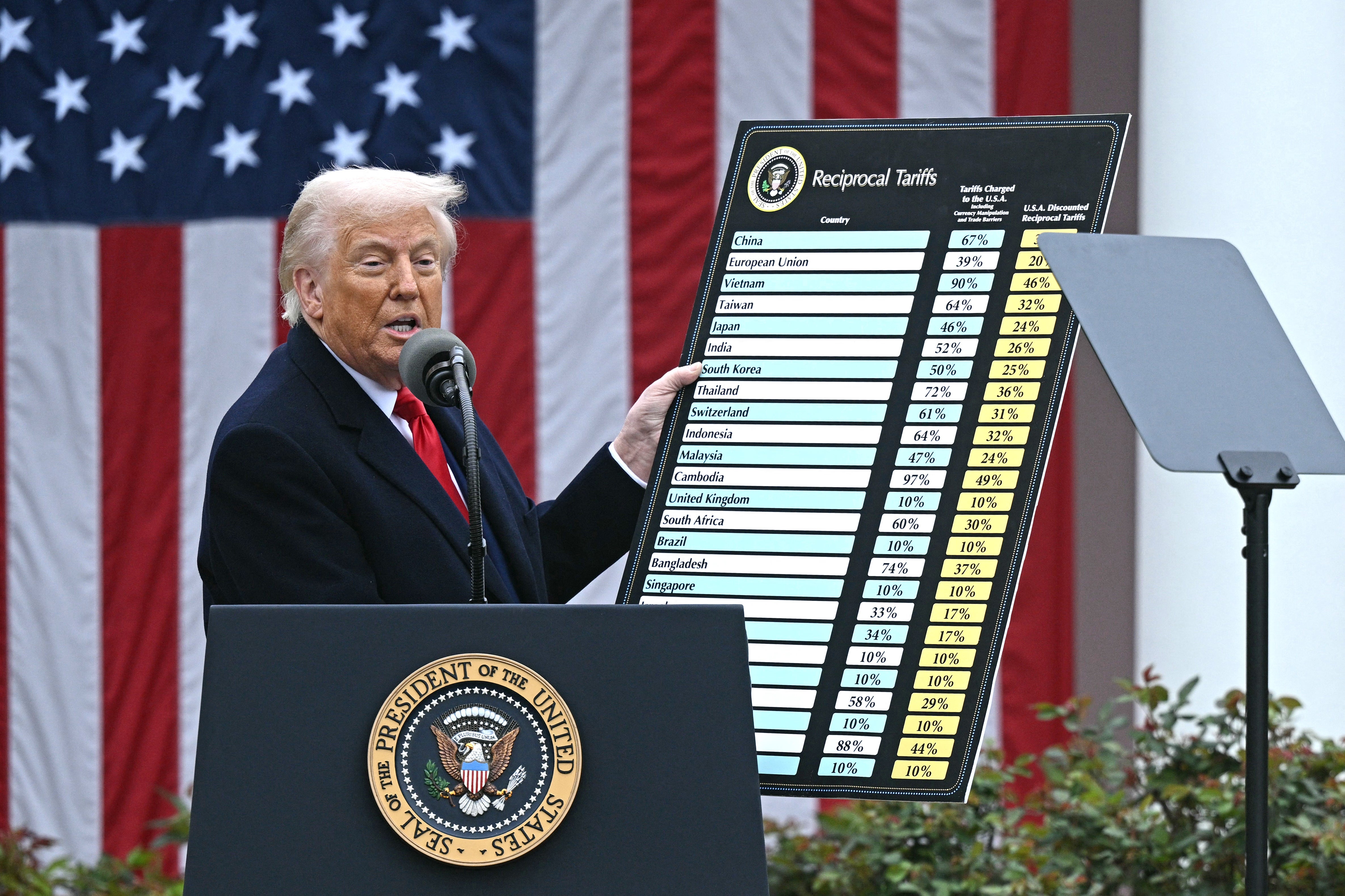
Trump has imposed tariffs as high as 50 percent on foreign goods, but with some countries retaliating in kind Americans buying imported products have been hit in their wallets.
Chatham House associate fellow Heather Hulburt suggested the Democrats could use a potential Congressional win to address the issue.
“On tariffs, the prospects appear more straightforward,” she said. “The US Constitution reserves tariff power to Congress.
“Congressional majorities opposing the Trump tariffs could, if they wished, repeal them and set tariff levels in law, or explicitly bar the Trump administration from raising tariffs without congressional consent.”
But Hulburt admitted that this is “easier said than done” and there is no recent precedent to support such a move.
What is at stake for the war in Ukraine?
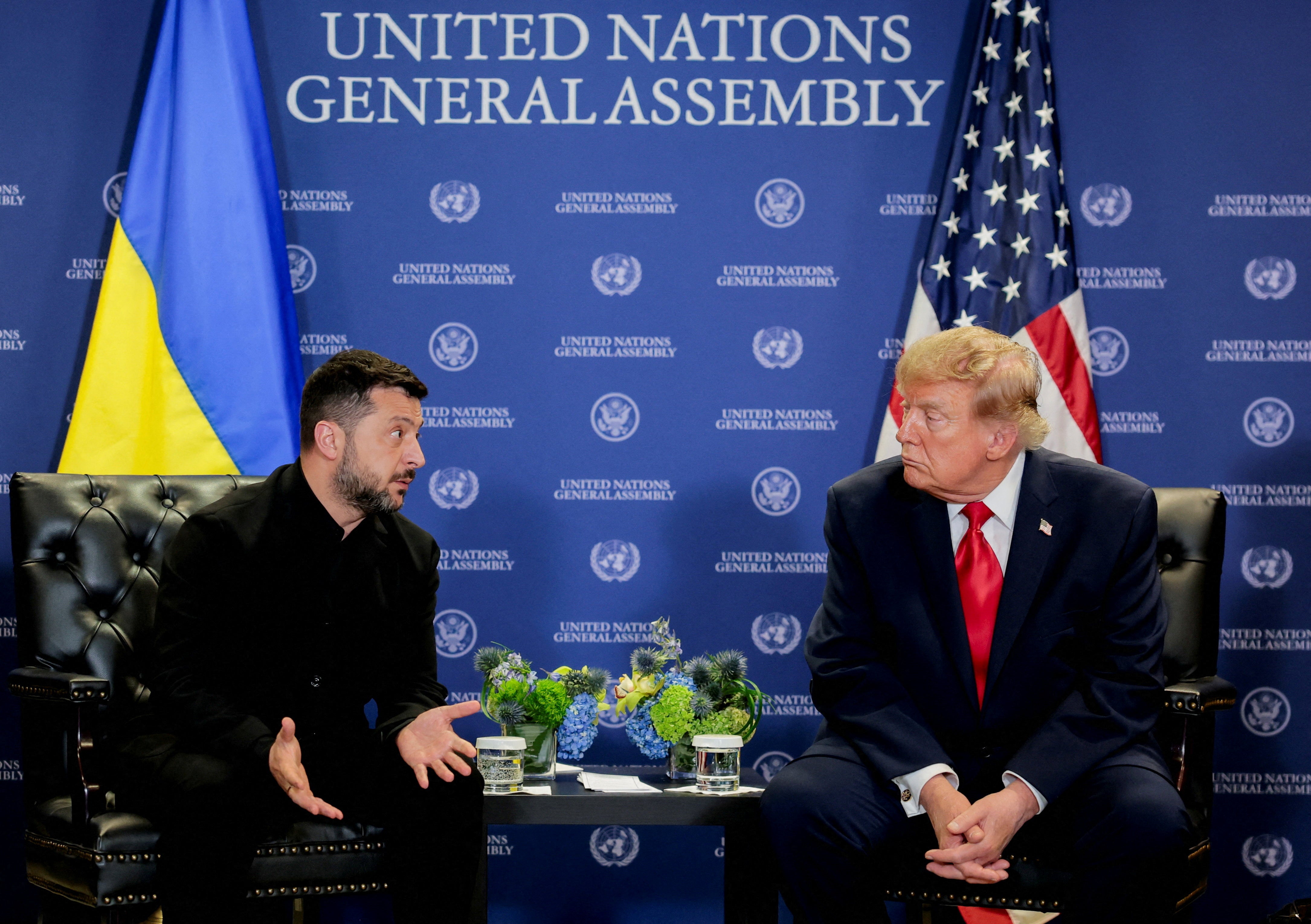
For Ukraine, the outcome of the elections will most likely decide whether Congress restores direct US military and financial aid.
The amount of US aid that has directly supported Ukraine is about $127 billion, according to the Kiel Institute. But since Trump returned to office in January 2025, there has been no significant new aid sent.
Instead, the leader has made it clear that Europe should harbour the cost of support. His administration has said that achieving a peace agreement is a priority.
Pre-Trump, Republicans and Democrats appeared largely united in their pro-Ukraine stances. In September, the Congress passed the Graham Act, after the late Senator Lindsey Graham who introduced it, in an act of rare bipartisan agreement.
It provides for a range of sanctions relating to Russia. But Trump put it on hold earlier this month – telling Congress it was in the national interest – after authorising the sale of Russian diesel.
The move angered many members of Congress, including Republicans, while Russian presidential envoy Kirill Dmitriev hailed it as “an important and truly historic moment.”
With a victory in both chambers in November, Democrats would be able to decide what gets voted on and when. That could allow them to approve new aid to Ukraine, which likely would pass with the two-thirds majorities needed to overcome a Trump veto.
However, Trump will remain president and his relationship with Ukraine’s President Volodymyr Zelensky recently hit an all time low.
What about the rest of the world?

The historic US support for Israel is a growing electoral issue for many voters. Billions of dollars has been sent to the country in the form of emergency military aid, advanced munitions including bunker busters, and direct defence coordination.
However, a combined 56 percent of Americans now favour reducing or eliminating this support, which amounted to $3.8 billion in the most recent fiscal year, according to the Chicago Council on Global Affairs. Democrats in particular are facing an internal party battle over the conflict, with younger progressives are less inclined to back Israel.
As a whole, the party is far more likely to limit military spending. Trump asked for a 50 percent boost in the military budget this year – to an unprecedented $1.5 trillion. But Democrats blocked it in the Senate, citing his refusal to consult Congress about the Iran war.
Trump has also become increasingly hostile to a number of European countries in his second term, clashing with France, Spain and Germany among others. Vice president JD Vance, a potential success to the White House, has taken particular issue with migration on the continent.
Democratic success in the midterms would likely be welcomed by liberal parties in Western Europe and potentially point towards a changing of the guard in the 2028 US presidential elections.
But experts are warning it also could have the adverse effect and generate “complacency” regarding their own far-right movements.
Catherine Fieschi, a nonresident scholar at Carnegie Europe, specialising in European far-right politics, told Al Jazeera: “If the Democrats win the House, let alone both, it will be read as, ‘you see – democracies bounce back.”’
About the Author