Want to bookmark your favourite articles and stories to read or reference later? Start your Independent Membership today.
Already a member?
Log in
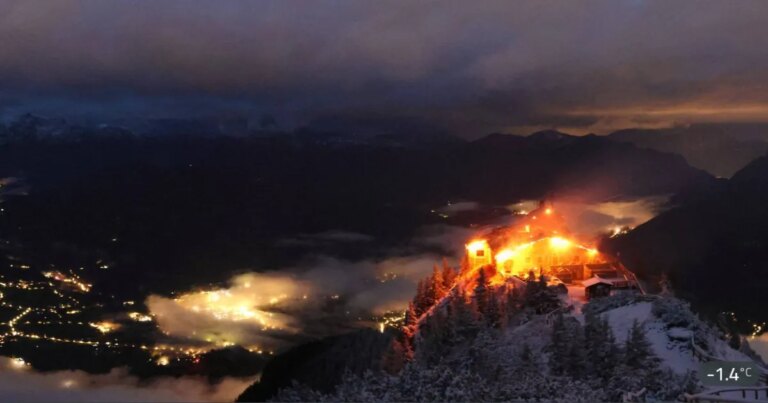
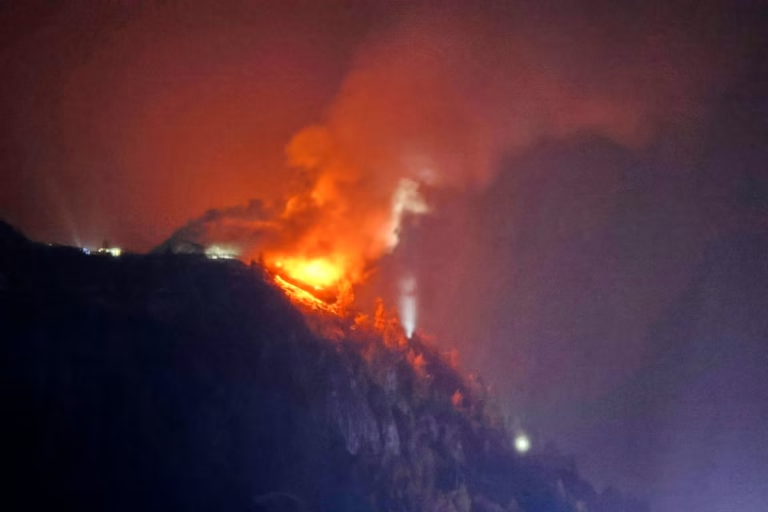
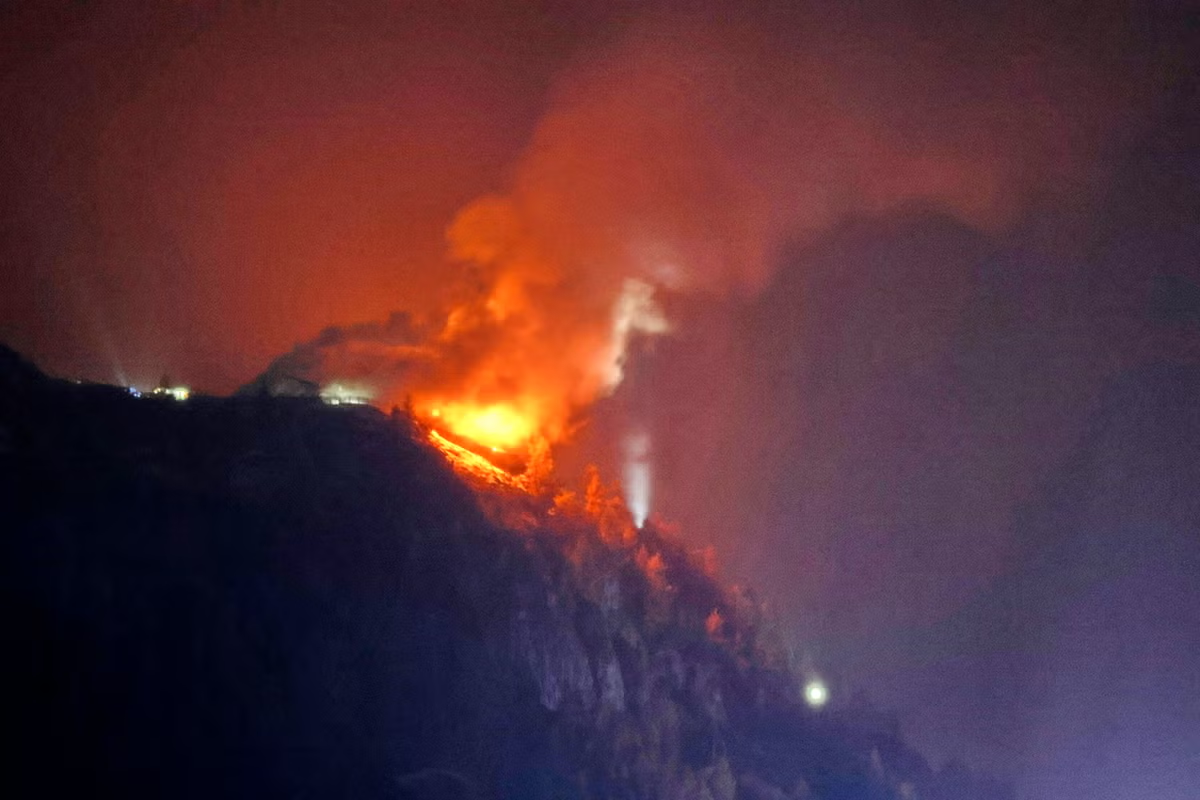
A person has been detained as a possible suspect after a fire engulfed the Eagle’s Nest, the retreat built for Adolf Hitler in the Bavarian Alps.
Police said it has yet to be determined whether the detained person had anything to do with the blaze.
The alarm at the building, in the Berchtesgaden district of Germany’s southeastern corner, went off at about 9.15pm on Friday, according to a police statement.
Firefighters could see the flames as they approached the site, which sits on a cliff 1,834 metres (6,017 feet) above sea level.
The building and its immediate surroundings could only be accessed with respiratory protection equipment, police said.
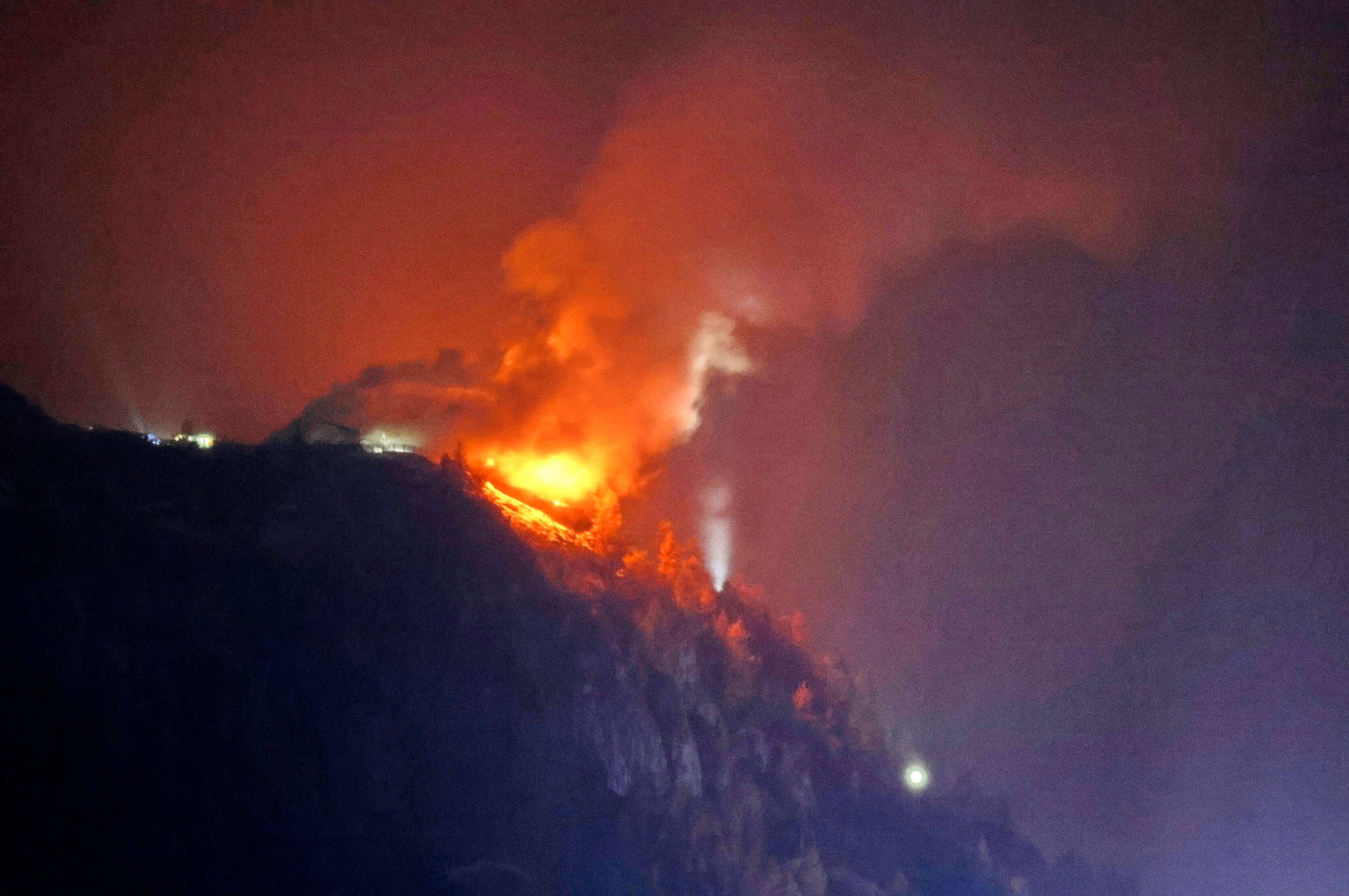
Its location made it difficult to get fire engines to the site, and work to extinguish the fire was still ongoing on Saturday morning.
Firefighters found no one inside the building.
Authorities believe at present that no one was injured.
The building, also known as the Kehlsteinhaus, was commissioned by the Nazi Party and completed in 1938, a year before the outbreak of the Second World War.
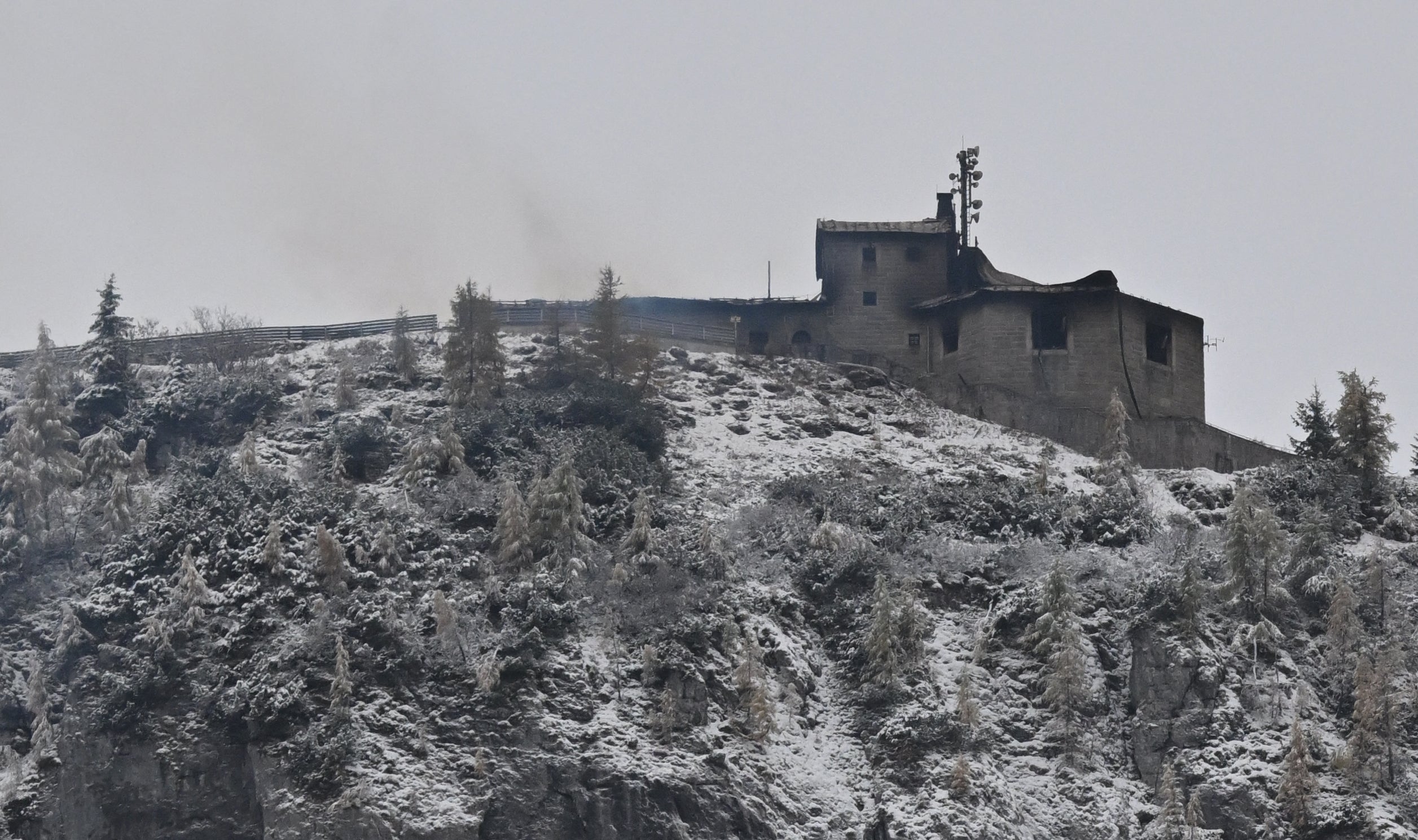
It is just a few hundred metres from Hitler’s summer home, the Berghof.
The Eagle’s Nest was used for social functions and official Nazi business and was visited by the dictator at least 14 times.
In 1944, a wedding reception for Gretl Braun, the sister of Hitler’s partner Eva Braun, was held there following her marriage to high-ranking Waffen-SS commander Hermann Fegelein.
A prominent feature of the building is a red Italian marble fireplace, which was gifted to Hitler by Italian dictator Benito Mussolini and later damaged by Allied soldiers, who chipped pieces off to take home as souvenirs.
Following the war, the site was used as a military command post by the Allies before being returned to the State of Bavaria.
It has been operating as a cafe and restaurant since 1952, and is a popular destination for tourists.
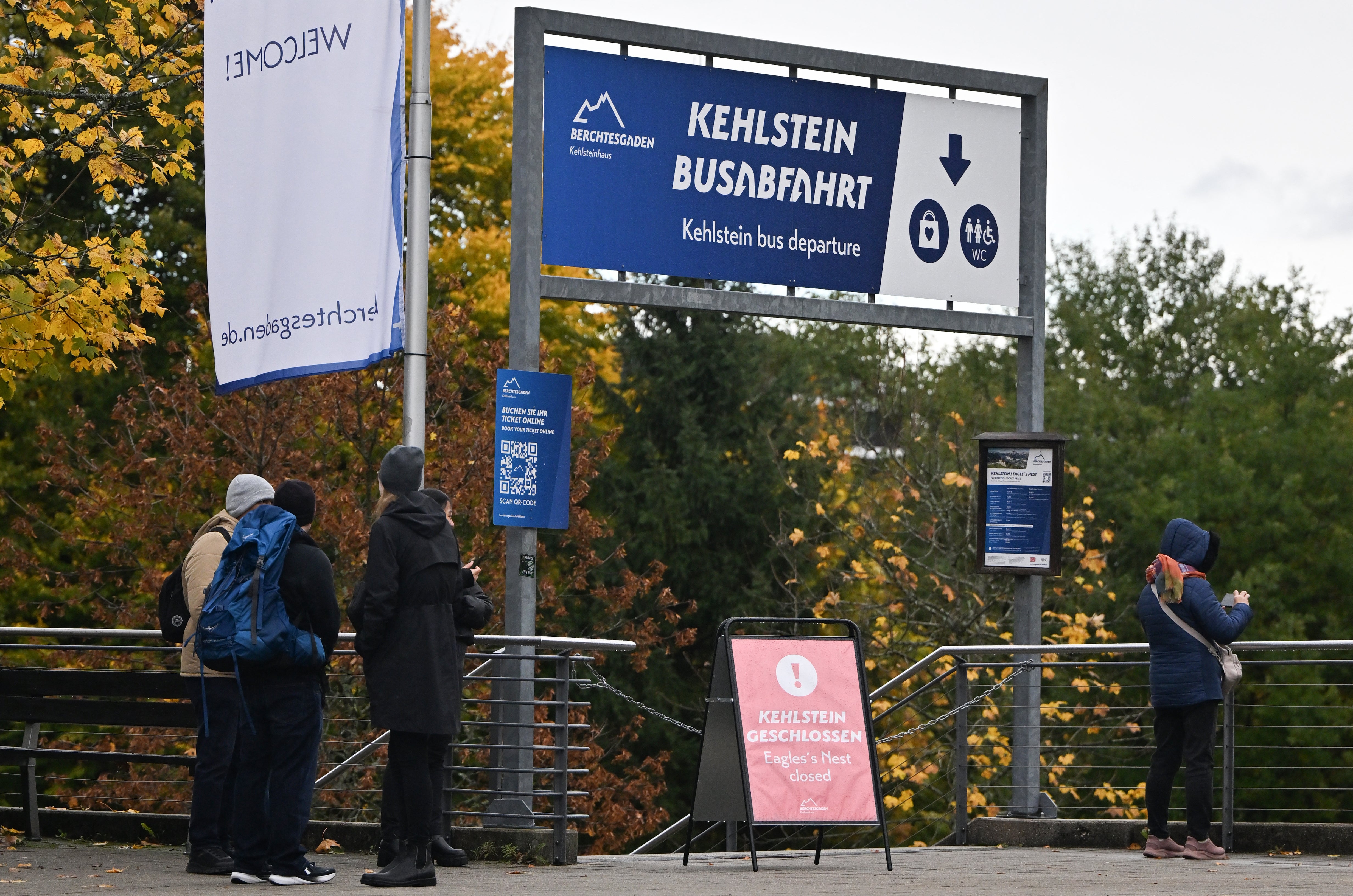
The building is reachable by an elevator from the end of a winding road up the mountain, which is closed to public traffic but used by buses for visitors.
It contains an exhibition on its history.
About the Author