Want to bookmark your favourite articles and stories to read or reference later? Start your Independent Membership today.
Already a member?
Log in
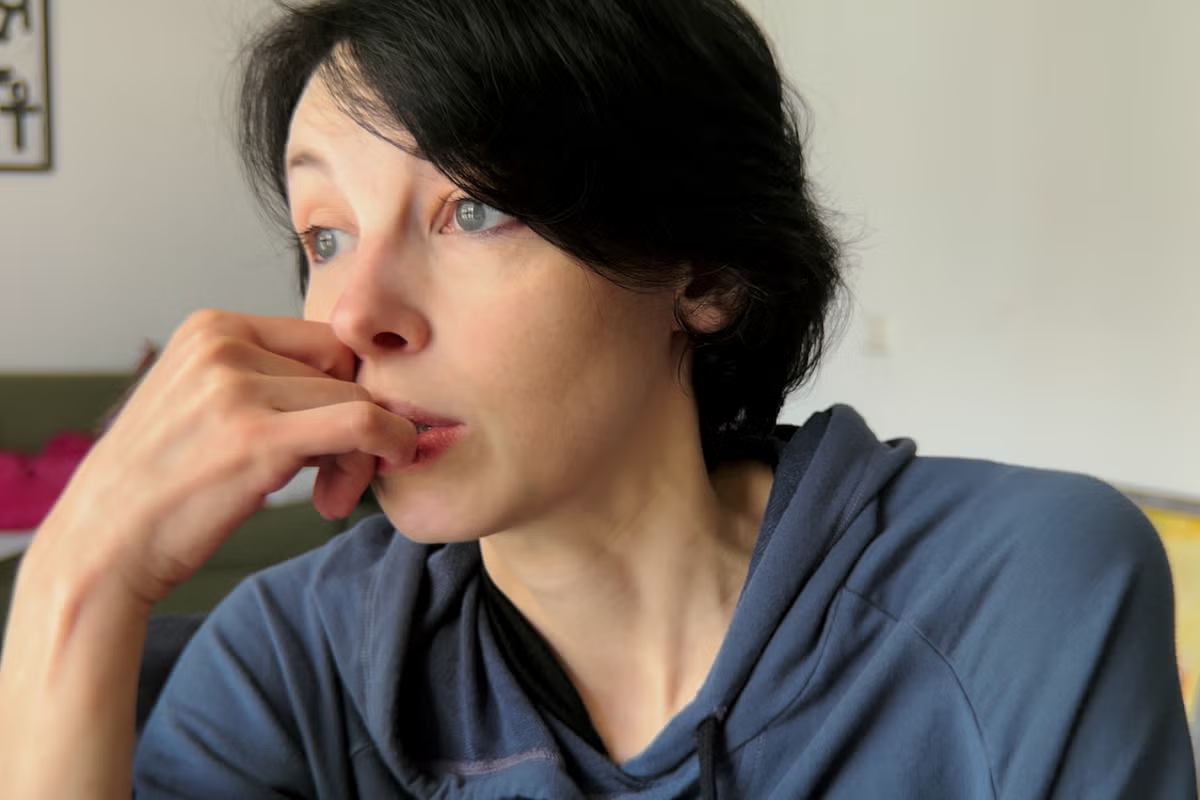
Opening with the intensity of a cinematic spy thriller, Julia Loktev’s latest documentary captures independent Russian journalists using her iPhone as they race to leave the country. Operating without firm plans or guaranteed accommodation, many carry only a single suitcase of hastily gathered possessions while hoping they are not held up at border checkpoints.
Running at close to six hours, My Undesirable Friends: Part II – Exile, arriving in selected theatres this weekend, serves as the concluding chapter of a five-year undertaking by Loktev. The project originated in the autumn of 2021, when the filmmaker began documenting independent reporters in Moscow just as Vladimir Putin started designating certain journalists as “foreign agents”.
The landscape shifted abruptly four months afterwards when Russia initiated its full-scale invasion of Ukraine, forcing numerous reporters to flee within hours. Loktev continued her work, tracking her subjects across borders as they persisted in reporting on the conflict from exile.
“People hear, they’re like, ‘Oh my god a six-hour film about journalists? That’s really scary.’ But it’s actually not,” Loktev told The Associated Press in a recent interview. “It’s kind of a hangout film. It’s a friendly film.”
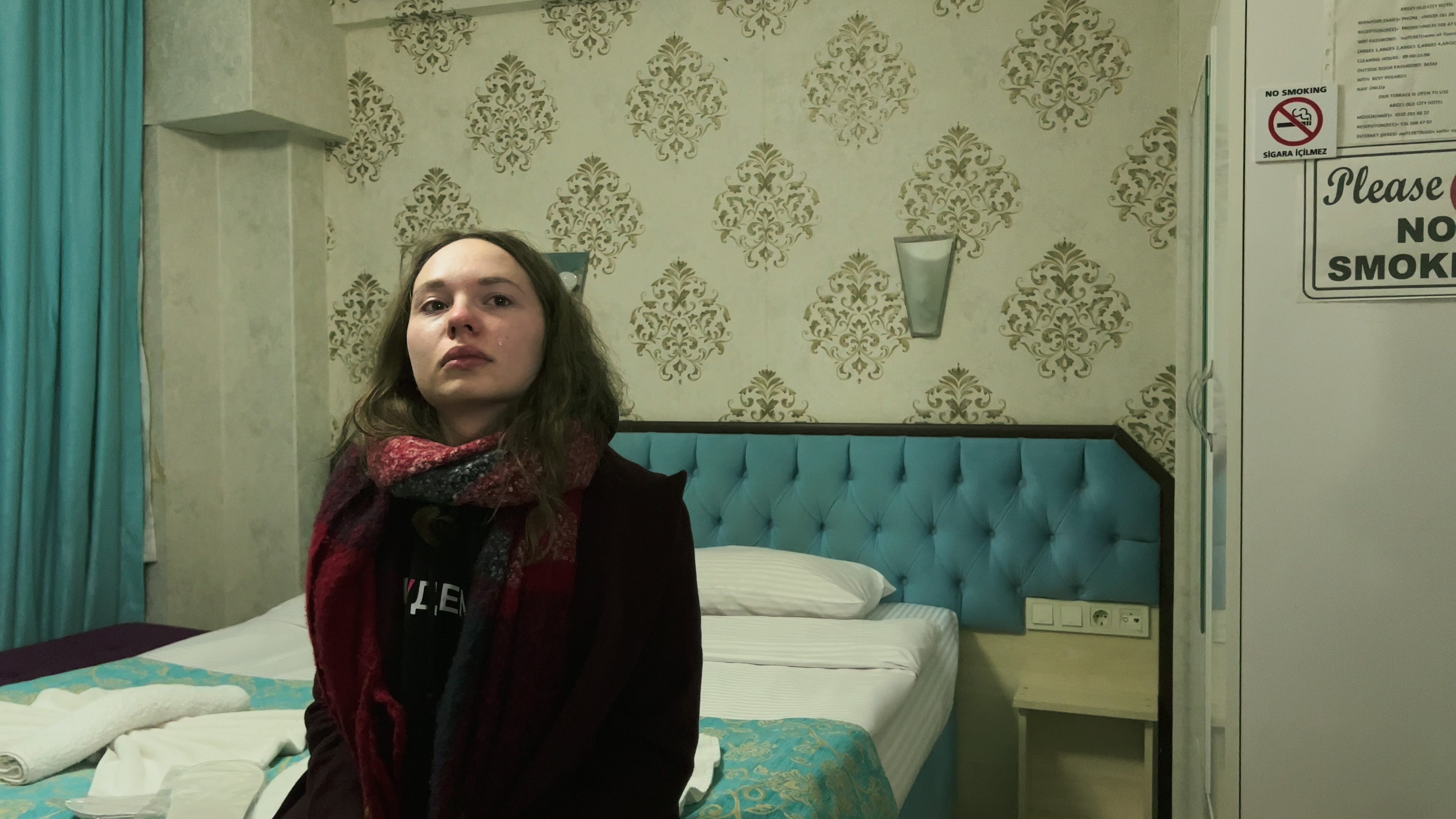
In an era dominated by short attention spans, pitching a documentary that spans nearly six hours presents an obvious challenge, a reality Loktev fully acknowledges.
She previously experienced this dynamic with her earlier work, My Undesirable Friends: Part I – Last Air in Moscow, which secured an Oscar shortlist spot and is now streaming on MUBI. Examining reporters functioning in a climate where press freedoms were rapidly eroding, that initial documentary ran for almost five and a half hours.
Now undertaking a similar release without the backing of a conventional theatrical distributor, Loktev recently faced pushback from a publicist who noted that audiences might be “kind of tired about hearing about press freedoms and authoritarianism.”
“I’m like, that’s really interesting, because authoritarianism isn’t tired of them,” Loktev said.
Yet despite the heavy subject matter, extensive length and broad cast of characters, the My Undesirable Friends films avoid feeling like an arduous task. Furthermore, viewers can comfortably watch the second instalment without having seen the first.
This accessibility stems largely from her subjects, who are predominantly in their twenties and thirties and remain grounded and engaging despite their extraordinary circumstances – a quality that kept the director invested throughout filming.
“This is a film about very ordinary people who are just trying to do something good in an awful time,” Loktev said. “The film is so much about perseverance and how do you keep telling the story when attention moves away? … How you maintain optimism, or at least enough optimism, to get up the next morning and do your job?”
Russian officials have designated dozens of journalists and media outlets as “foreign agents” since 2021 – a tag designed to delegitimise their output while cutting off advertising revenue. With press members outlawed or jailed, key news outlets relocated their operations abroad during the early weeks of the Ukrainian war, remaining accessible domestically primarily through virtual private networks, or VPNs.
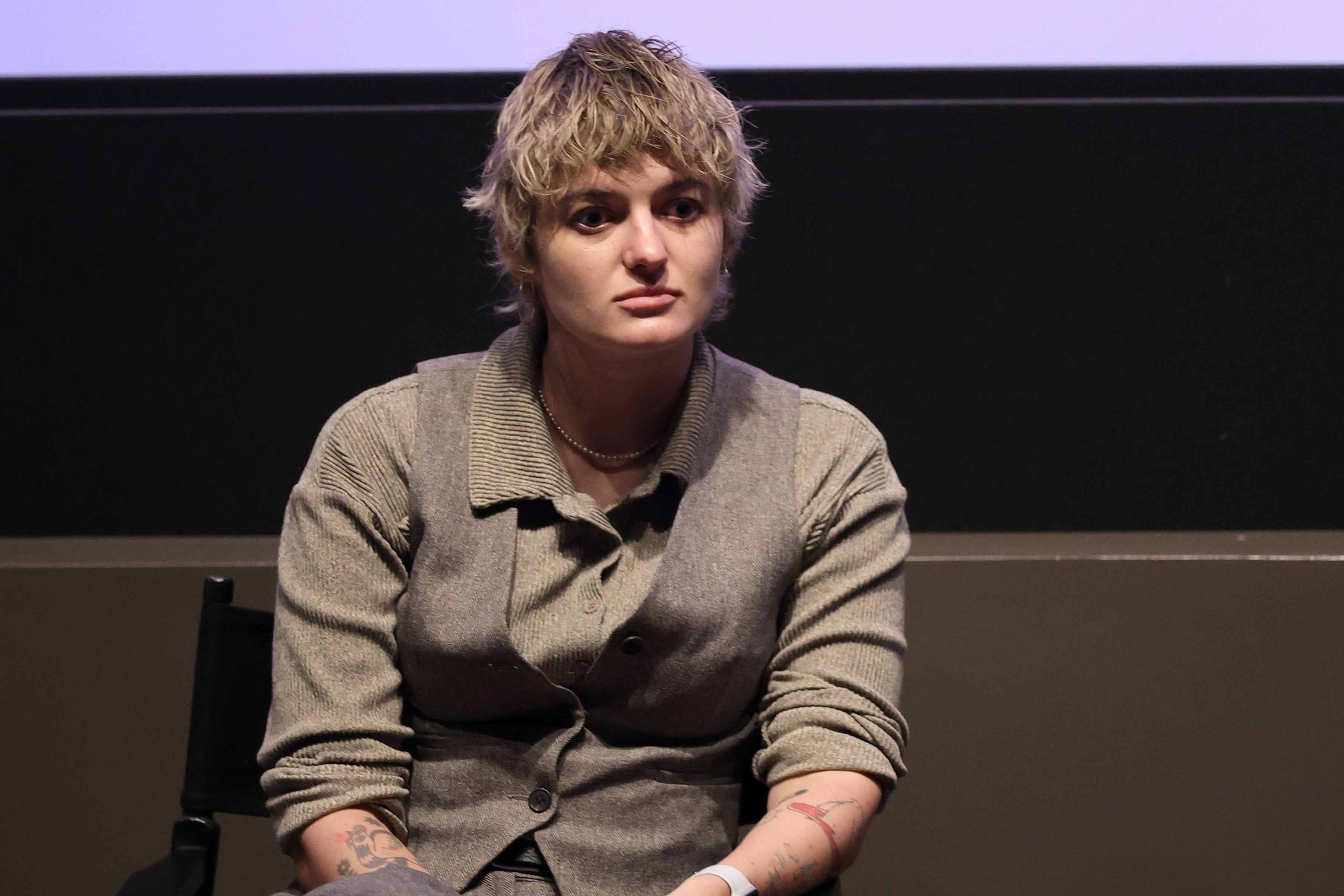
Born in the Soviet Union in 1969 before emigrating to the United States aged nine, Loktev maintained her Russian language skills through her mother, easing her integration into this reporting circle. Her primary point of entry was Anna Nemzer, a journalist at the independent news network TV Rain.
Capturing scenes on her iPhone allowed Loktev to blend into the background almost completely. As her subjects scattered across European nations, the second part required her to travel continuously.
Loktev delayed her own departure from Russia following the invasion to ensure her raw material was safely uploaded to the cloud before leaving on her tourist visa. She had been advised that border guards holding a passport while claiming the “computer is hanging” were conducting background investigations.
“I was standing there … at the airport in Moscow and I’m like, ‘Is there an issue?’ and they’re like, ‘No, no our computer’s just hanging,’” she said. “It was hanging for a good 20 minutes. I tried not to pee my pants.”
Looking towards a potential third chapter
Key figures from the film, including Nemzer, accompanied Loktev to the Venice Film Festival for its premiere. While many continue reporting from afar, former Russian journalist Peter Ruzavin – who is married to a Ukrainian journalist – pivoted dramatically midway through the second instalment by joining the Ukrainian armed forces, concluding that reporting reality was no longer enough to alter it.
“We need not to run away from Putin. We need to fight him,” Ruzavin, who has served in the Ukrainian army for over two years, said in Venice. “That’s why I made my decision. I left the best work. I miss it every day.”
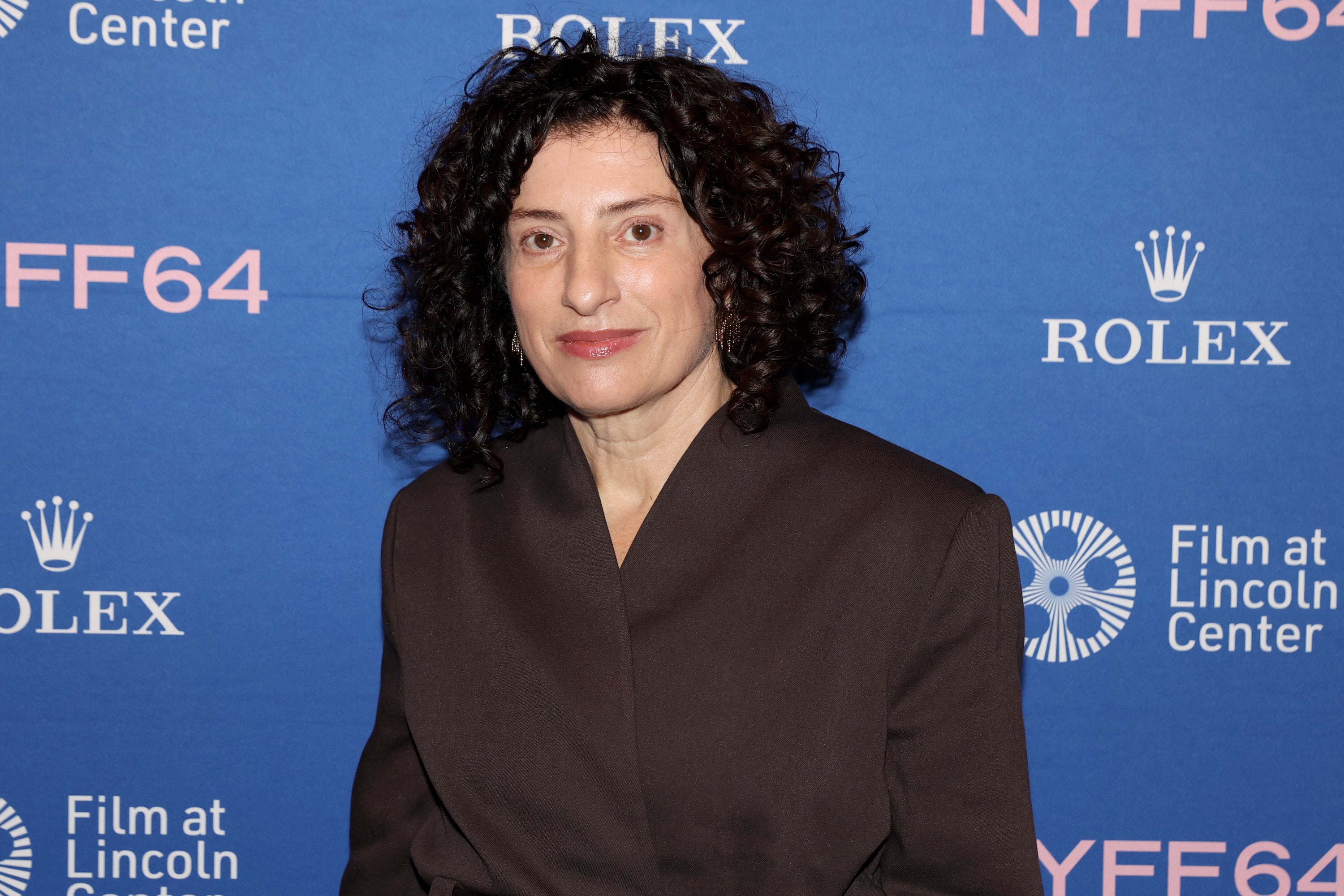
Loktev has recently noted sensationalised press coverage, including a headline in The Daily Beast describing the project as “Vladimir Putin’s ‘War Crimes’ Exposed in Shocking New Film.” Though she clarifies her documentary is not an exposé on war crimes, she sees it as a testament to what the reporters are trying to achieve long after global focus has moved elsewhere.
“I think that’s something that we’re struggling with now in a way with the film, I’ll be honest, is that everybody moves on to the next thing,” Loktev said. “But the last thing hasn’t changed.”
Her ideal prospect would be producing a “Part III” — “if ever the political situation in Russia changes.”
“But I think we might be very old by then.”
About the Author