Want to bookmark your favourite articles and stories to read or reference later? Start your Independent Membership today.
Already a member?
Log in
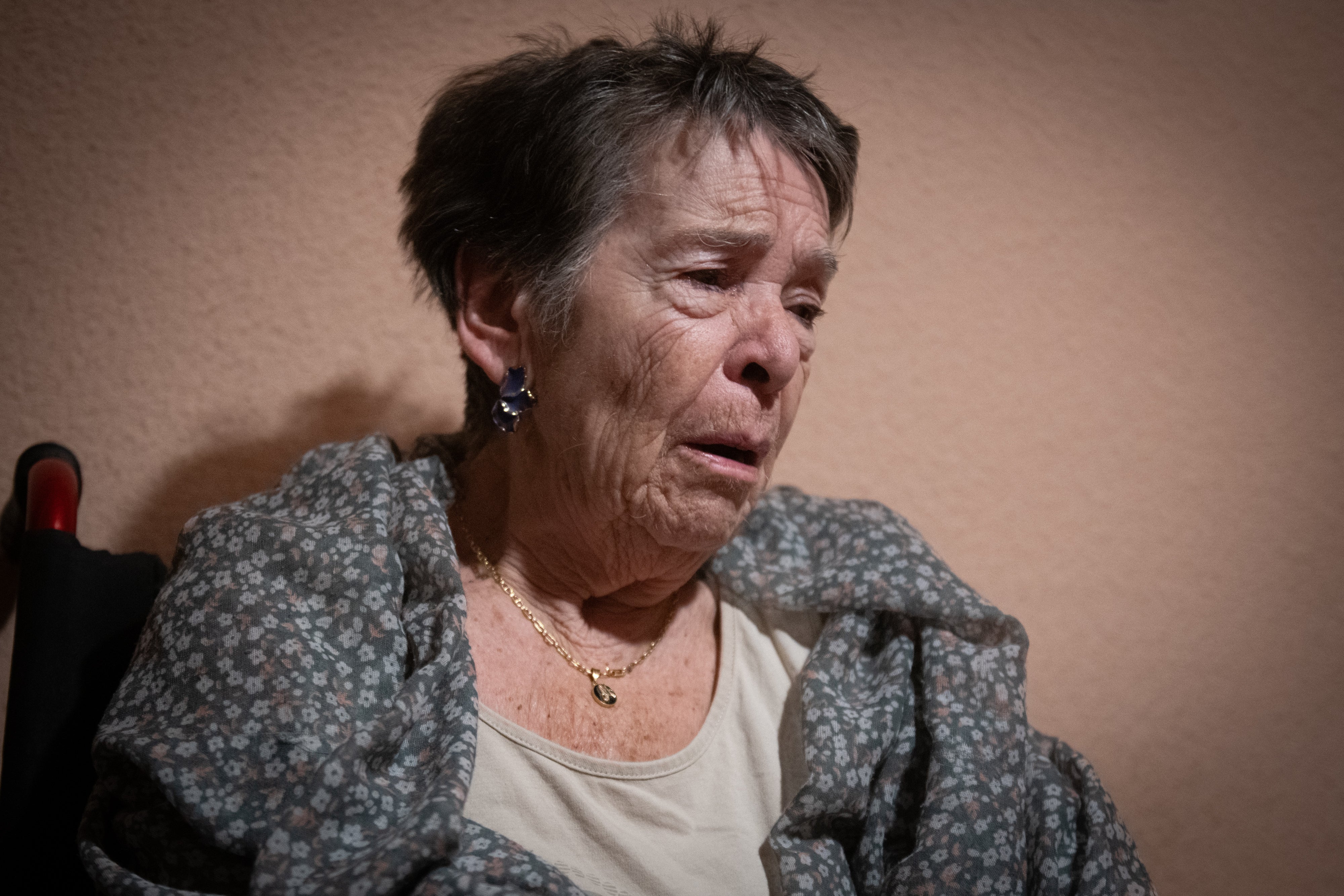
When 87-year-old Maricarmen Abascal received an eviction notice from the apartment she’d lived in for more than 70 years, she could not have imagined that the letter would send thousands onto the streets.
The pensioner died on Wednesday, days after being forcibly carried away on a stretcher, having refused to leave her home after an investment firm snapped up the property with a view to increasing her rent by 230 per cent. In the days before her death, she had been admitted to hospital for severe anxiety and exhaustion.
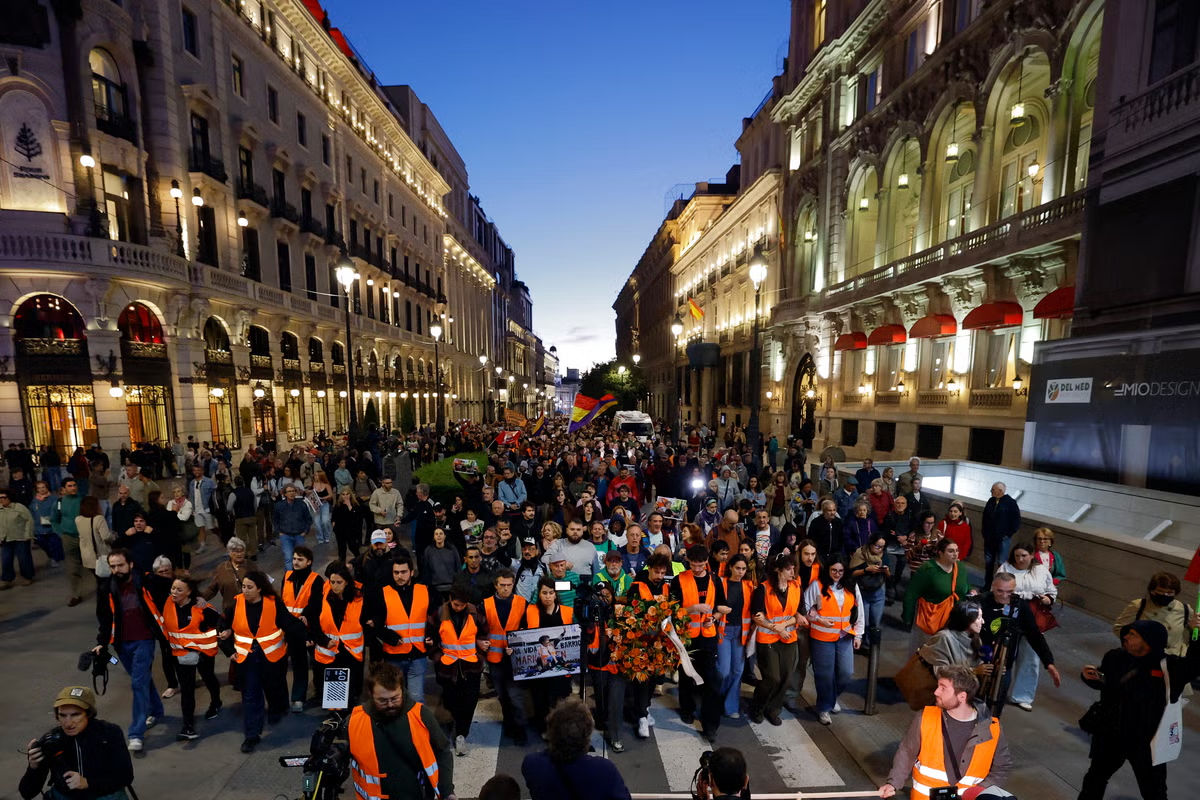
The case has mobilised tens of thousands of people across the country, calling on the state to take action against greedy investors hiking rents to unaffordable highs. Many young people turned out on Thursday to mourn Maricarmen and decry the speculators standing between them and the hope of home ownership.
Protests have even prompted the beleaguered socialist prime minister Pedro Sanchez to call a snap general election for 29 November after parliament rejected his government’s proposals to address a mounting housing crisis. The crisis has seen parties on the left attack the right for shooting down legislation aimed at curbing soaring rental prices; the right says the left has had eight years in government to act.

News of Maricarmen’s death this week enraged protesters camped on squares in Spain’s main cities, who chanted that she had been “murdered” because of the greed of her landlords.
After an investment fund, Urbagestion, purchased the building where she had lived for more than 70 years, Abascal lost a lengthy legal battle against rent increases far beyond her pension income, leading to her eviction on 23 September.
At first, her rent had been increased from €500 per month (£428; $572) to €2,650 (£2,280; $3,020), which was later reduced to €1,650 (£1,414; $1870). However, she was still unable to pay this, with her monthly pension of €1,350 (£1,157; $1,530). Three previous attempts to evict her had been blocked by Spanish courts.
“I’ve lived here for 71 years and I don’t want to leave,” Ms Abascal told reporters on the eve of the eviction.
While in hospital, she reached a deal to regain her home, but she died before she could return.
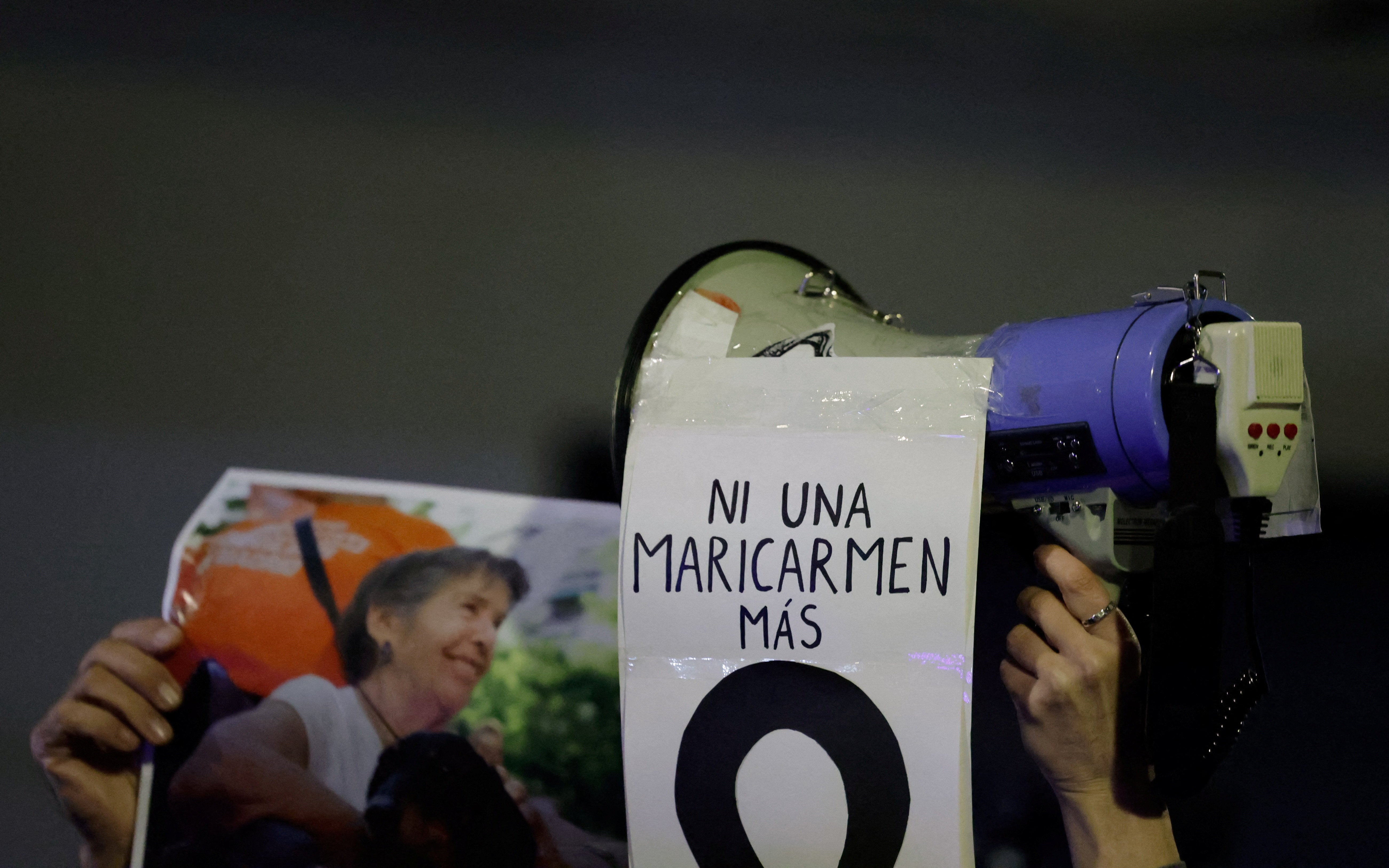
Outside her building on Thursday, mourners left flowers, candles, handwritten notes and children’s drawings. Protesters marched with placards, calling for action and demanding “not one more Maricarmen”.
“Maricarmen was the straw that broke the camel’s back… (she was) a symbol of resistance and unity,” said Alex Marinero, a 21-year-old protester.
The case has been called a “turning point in the history of this country” by the Madrid Tenants Union in a statement announcing her death on Wednesday.
In her final days, Maricarmen is said to have sent messages of support to protesters across the country, who have been spurred on by her story to take part in demonstrations on Spain’s housing crisis.
In the capital, lawmakers accused each other of cynically exploiting her case after her death.

The conservative People’s Party (PP), which has absolute majorities in the Madrid regional and local assemblies, refused to hold a minute of silence honouring Maricarmen, prompting hard-left deputies to stage one outside City Hall.
Madrid leader Isabel Diaz Ayuso, of the PP, blamed Prime Minister Sanchez, pointing out that the eviction had occurred under his government.
Opposition leader Manuela Bergerot of the leftist Mas Madrid party said Maricarmen had died because of “miserable people who put gain above a person’s life … those responsible will carry that with them for their remaining days”.
She added that the last thing Ms Ayuso had done while Maricarmen was alive was “laugh at her” –a reference to when she quipped on 28 September: “At what age do I get to stop paying my landlords? Let me know.”
On Thursday, a survey by state pollster CIS conducted back in June, found that 76.3 per cent of Spaniards supported intervention in the market to guarantee access to housing, while 79 per cent believe the right to housing should take precedence over treating homes as a market commodity.
Anger has been mounting amid rising costs, with one student, 19-year-old Jorge Moreno, telling the BBC that “vulture funds and investment funds” have been “making a business of housing for a long time”.
“But it’s an abusive business which stops Spaniards from being able to live in a decent home,” he said.
Mr Sanchez attempted to make changes in response to the protests by proposing a limit to rent increases, protecting vulnerable tenants from evictions and several other policies aimed at curbing price increases. But this week they were struck down by Spain’s parliament.
About the Author