Want to bookmark your favourite articles and stories to read or reference later? Start your Independent Membership today.
Already a member?
Log in
South Korea should have been Ukraine’s natural ally in Vladimir Putin’s war against its smaller eastern European neighbour. Instead, Seoul and Kyiv have ended up in an unprecedented diplomatic rift no one saw coming.
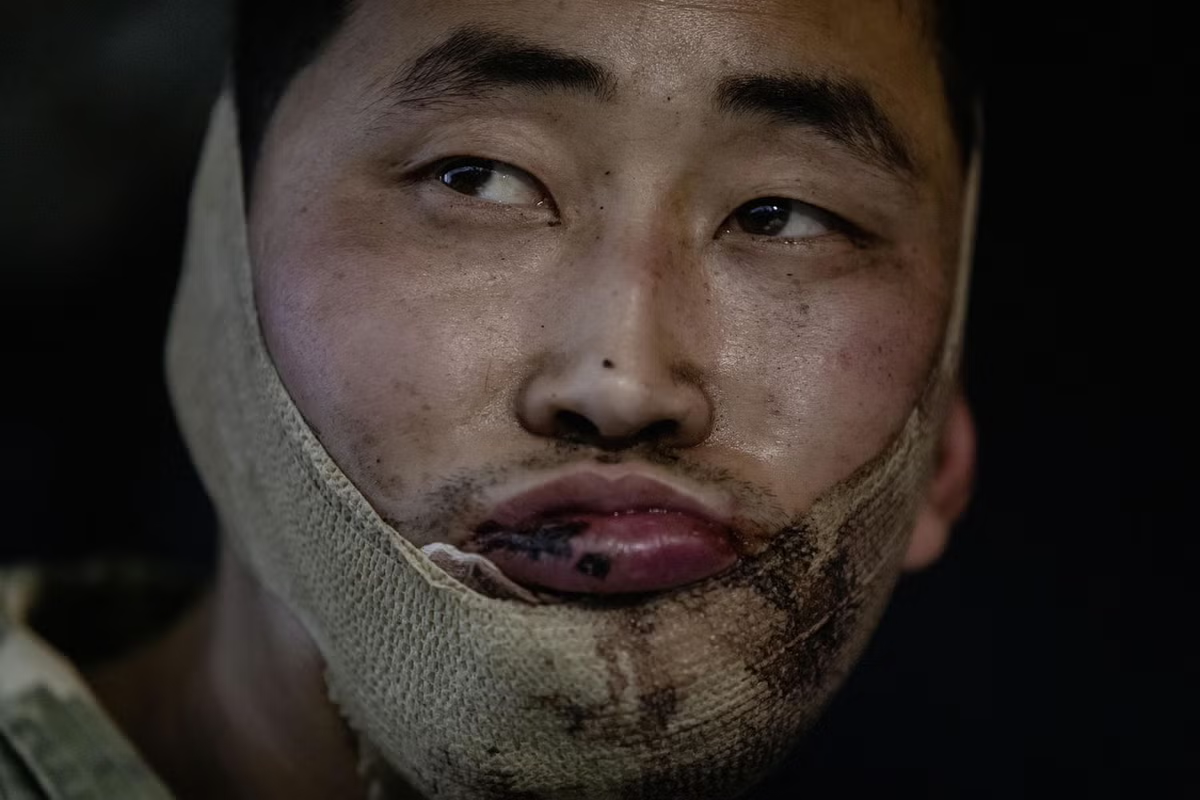
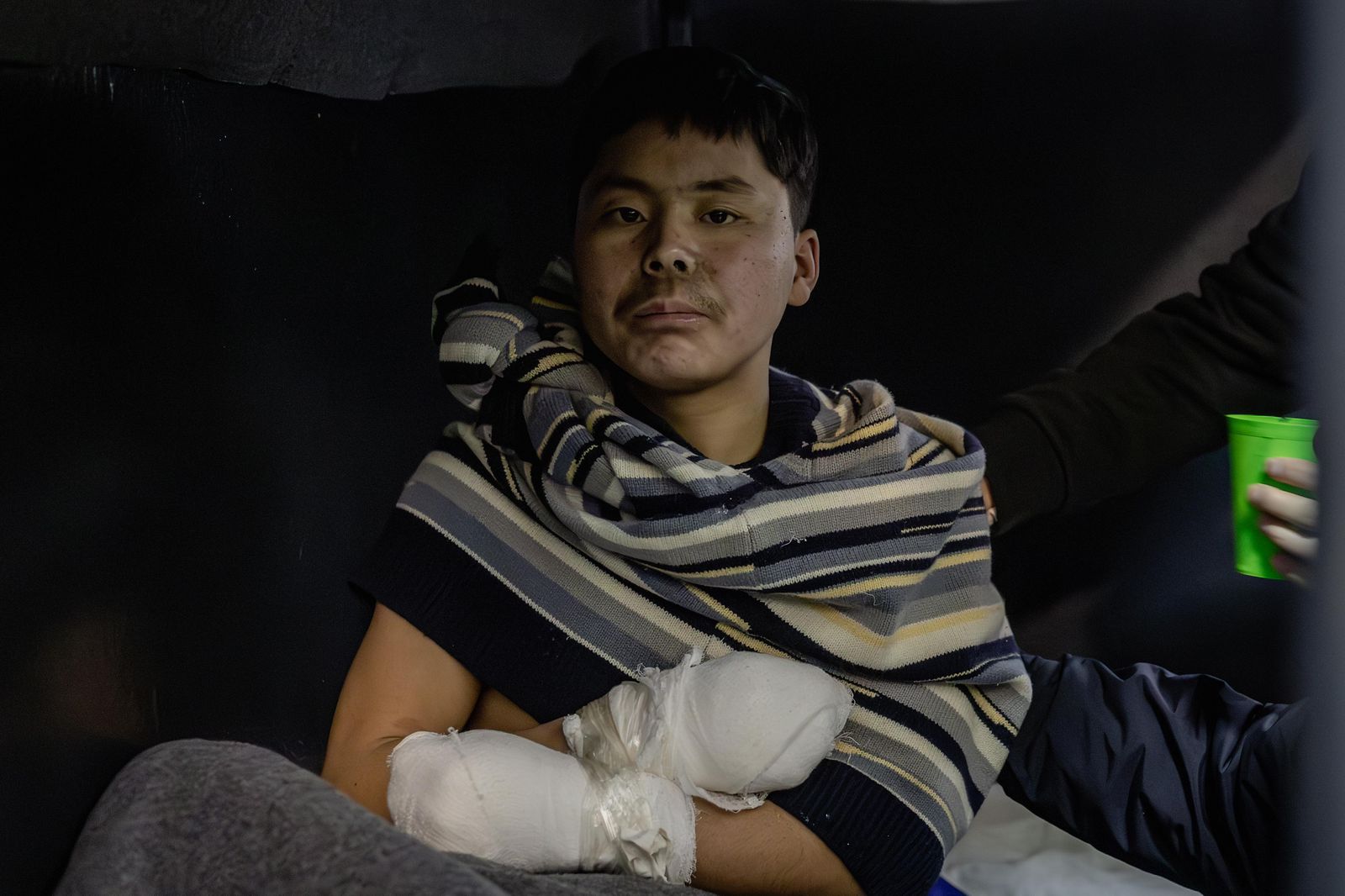
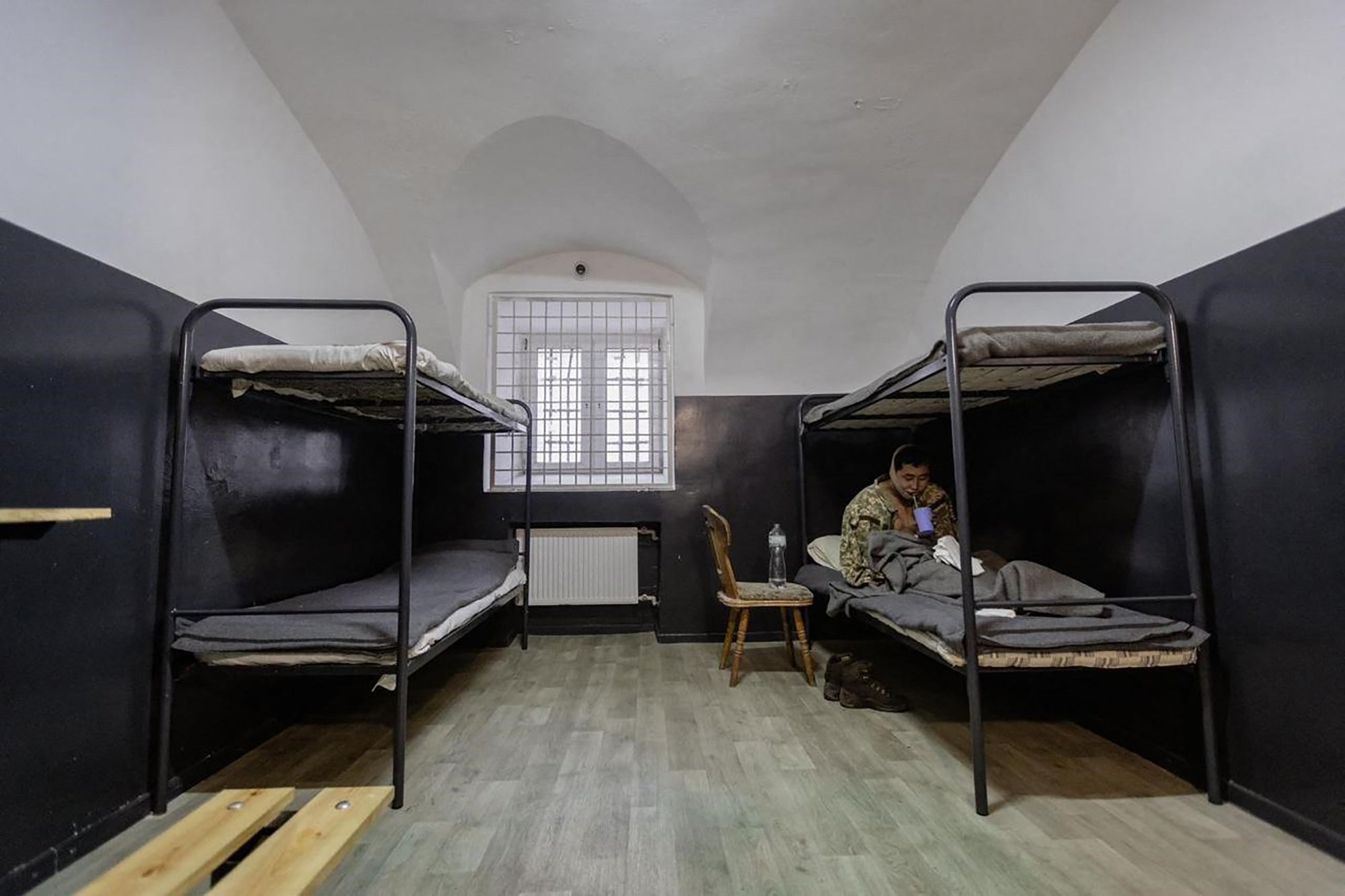
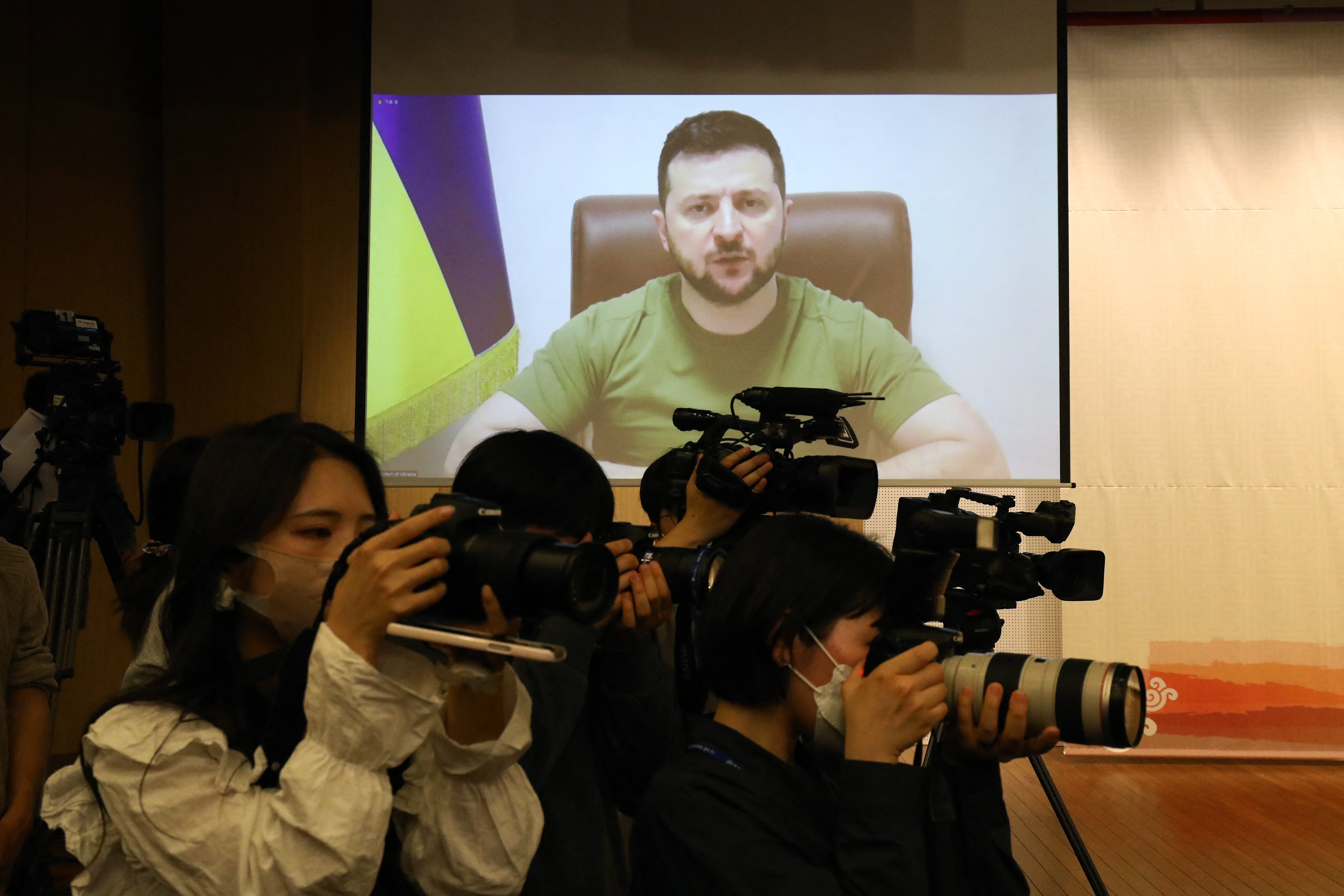
Seoul and Kyiv’s dispute began after Ukrainian president Volodymyr Zelensky announced at the United Nations General Assembly last month that his country had transferred two North Korean prisoners of war captured while fighting for Russia to South Korea.
Seoul subsequently accused Kyiv of breaching an agreement to keep the transfer confidential to protect the soldiers, while Ukrainian officials denied any such agreement existed.
With South Korea’s international credibility at stake, president Lee Jae Myung reprimanded Ukraine in unusually harsh language, accusing Zelensky of “plotting for the outbreak of war on the Korean Peninsula”.
As their disagreement escalated, Ukraine accused South Korea of accounting for 31 per cent of Russia’s fuel imports in August.
South Korea has “helped Russia offset the impact of losing its own refining capacity” caused by Ukraine’s attack on a Russian refinery, said Vladyslav Vlasiuk, a Ukrainian expert on sanctions. He said Russia imported more than 176,000 tonnes of petroleum products from South Korean ports in July and August.
“These shipments began precisely when Ukrainian strikes on Russian oil refineries were reducing processing volumes and creating a fuel shortage within Russia,” Vlasiuk wrote on Facebook.
Seoul objected to the allegations, calling them “incorrect and inappropriate” and asking Kyiv not to “undermine international trust without sufficient verification of the facts”.
The unusual public confrontation raised questions about how relations between two countries facing the consequences of growing Russian-North Korean military cooperation deteriorated so sharply.
Experts say South Korea’s defensive and confrontational stance may be part of a balancing act.
As US support to Ukraine appears to be waning under Donald Trump’s quid pro quo foreign policy, Seoul may not want to antagonise Russia, which it sees as a potential diplomatic intermediary with Pyongyang, they say.
“The Lee government may be hesitant to increase support for Kyiv while the Trump administration’s backing is uncertain,” Leif Eric Leasley, professor of International Studies at Ewha University in Seoul, tells The Independent.
“South Korean progressives also tend to prioritise inter-Korean relations and believe that one road to Pyongyang goes through Moscow,” he adds.
Lee, who belongs to the progressive political camp, which traditionally prioritises dialogue and reconciliation with Pyongyang, has expanded overtures to North Korea as well as Moscow, helping Seoul open communication with North Korea.
“It is indeed very unfortunate,” says Tong Zhao, senior fellow at Carnegie Endowment for International Peace, referring to deteriorating ties between Kyiv and Seoul.
“However, these frictions also reflect a broader tension in South Korea’s current foreign-policy orientation: Seoul seeks the benefits of close cooperation with Western partners while developing relations with countries like China, Russia, and North Korea.
“President Lee, in particular, has promoted efforts to engage with countries across the geopolitical spectrum.”
Lee’s approach is a departure in emphasis from that of his conservative predecessor, Yoon Suk Yeol, whose administration pursued a tougher stance towards North Korea and closer security cooperation with Washington and Tokyo.
“His persistent outreach to North Korea is illustrative. Despite Pyongyang’s categorical rejection of Seoul’s overtures and its openly dismissive rhetoric toward the South, Lee has continued to pursue engagement,” Zhao says.
“This reflects a broader preference for maximising South Korea’s practical interests, even when doing so requires accommodating the stated interests and sensitivities of governments that do not share Seoul’s political values or strategic outlook.”
But it comes at a time when Lee is working towards accelerating South Korea’s efforts to expand arms exports to Nato members as Europe moves to increase defence spending. He attended the Nato summit in July in Ankara with the aim of entering the world’s biggest defence market and establishing supply chains with the alliance.
Leasley says what is unrealistic is that “some apparently hold the incorrect notion that Seoul can have its cake and eat it too in terms of ties with Russia and arms sales to Europe”.
The South Korean president appears in no mood to de-escalate.
Seoul has now announced the recall of its ambassador to Ukraine after Kyiv’s refusal to acknowledge the secrecy pact over PoW transfer and an apology was deemed “insufficient”.
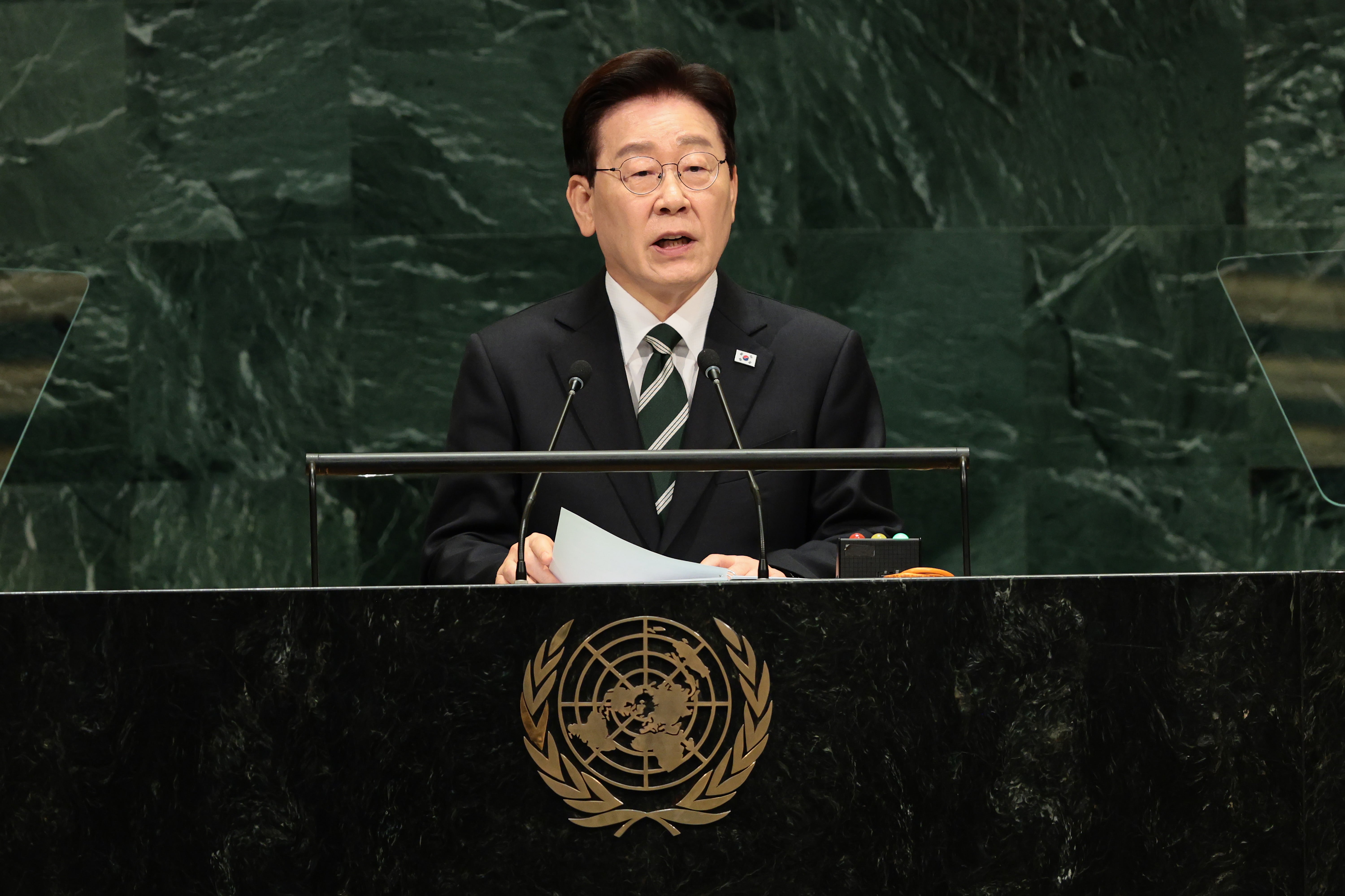
The foreign ministry said the “government has decided to recall its ambassador to Ukraine to Seoul”, referring to ambassador Park Hee-chang.
“We hope that various issues between the two countries will be resolved smoothly, and we will continue consultations with the Ukrainian side to that end,” it added.
Sanghun Seok, a senior associate fellow at the Royal United Services Institute, says the public confrontation between Seoul and Kyiv seems to be “growing unnecessarily contentious”.
“The broader mood in Seoul seems to be that it is now becoming harder to understand whether Kyiv’s priority is to deepen cooperation or to prioritise public pressure even where it actually makes it harder for Seoul to consider what forms of cooperation may be possible,” he says.
Seoul is also likely to avoid provoking North Korean dictator Kim Jong Un, who openly backs Putin’s war against Ukraine and can directly threaten its neighbour’s territory.
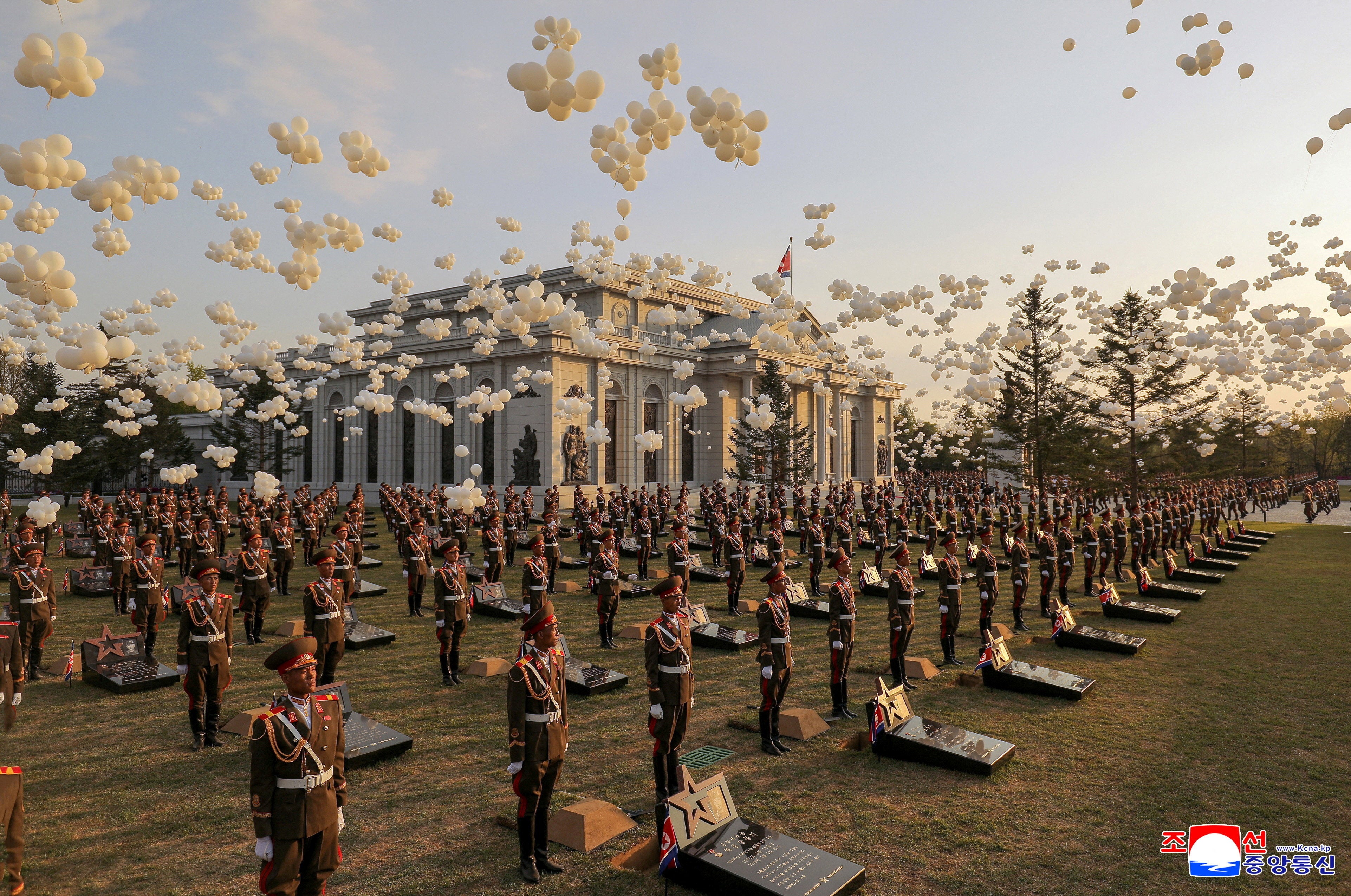
Lee’s position is not incomprehensible, analysts say, as the diplomatic row has unfolded against an increasingly volatile security situation on the Korean peninsula.
Three South Korean soldiers were injured in a landmine blast which investigations revealed was planted by North Korea on 21 September within the Demilitarised Zone (DMZ) separating the two Koreas.
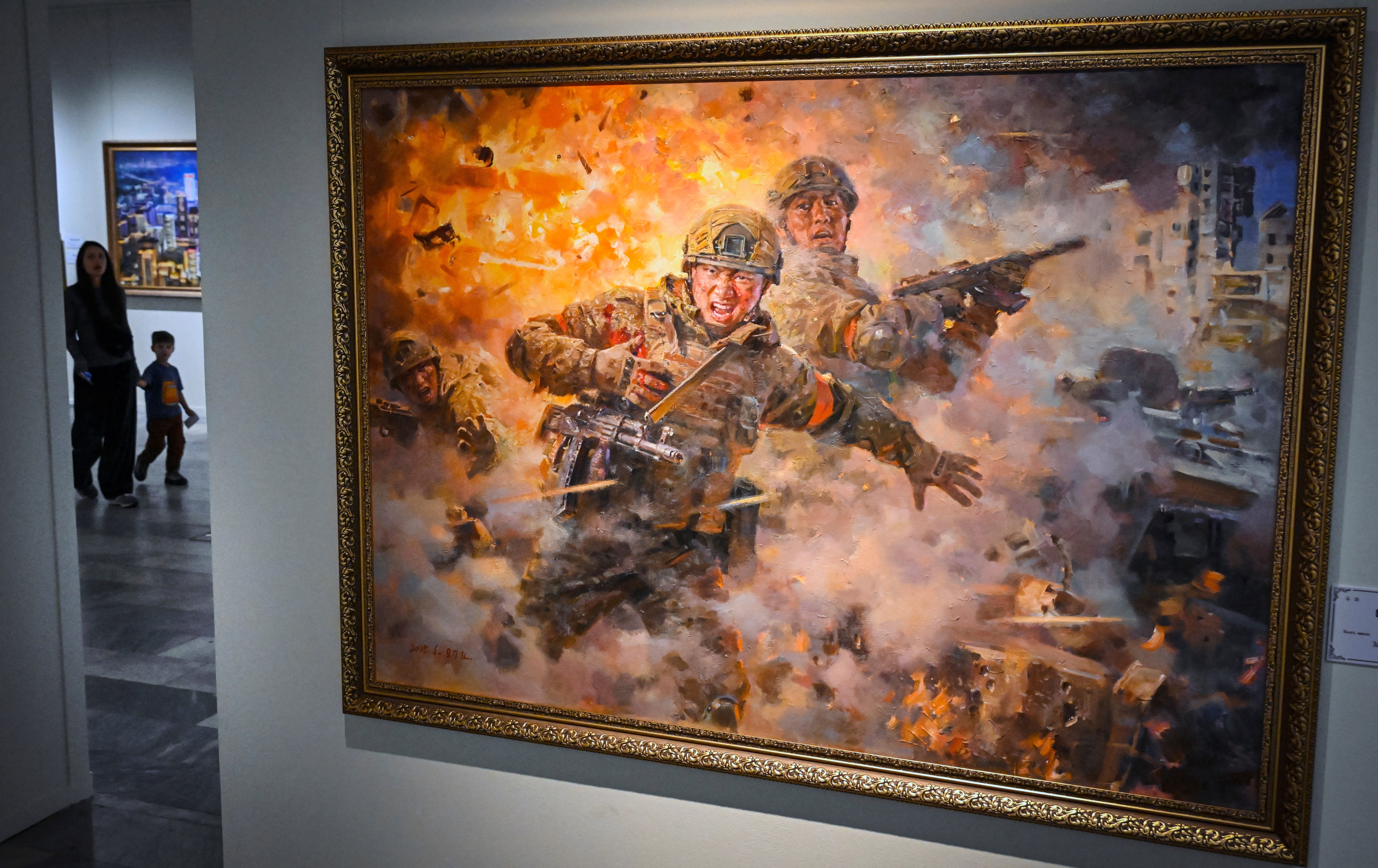
On 27 September, Ukrainian presidential chief of staff Kyrylo Budanov referred to the DMZ explosion while warning that the situation between North and South Korea was deteriorating and could lead to an uncontrollable armed confrontation.
Experts believe Lee’s subsequent tough response and accusation that Ukraine was encouraging war on the Korean peninsula was not simply about the PoW transfer. Leasley adds that South Korea has legitimate reasons to protect sensitive information about North Korean defectors and their families.
But, at the same time, it is difficult to imagine that Russian, Chinese, and North Korean intelligence services would not become aware of these soldiers’ status or that politicians would keep their transfer secret indefinitely.
“Kyiv also has valuable intelligence about Russia-North Korea military cooperation and extensive battlefield experience, especially with drones, that can contribute to South Korean security,” Leasley says.
Zelensky did not provide the details of the PoWs. However, Ukraine has held only two known North Korean prisoners of war, both of whom expressed a desire to defect to South Korea. Under its constitution, Seoul considers North Koreans its citizens and is legally obliged to accept defectors from the North.
But despite an escalation in its rhetoric, many experts say Seoul isn’t likely to take any drastic steps because good relations with Ukraine is in its national interests and will support its partnerships with other Western nations.
About the Author