Government ‘trying to avoid’ Covid-style mandates, Chalmers says
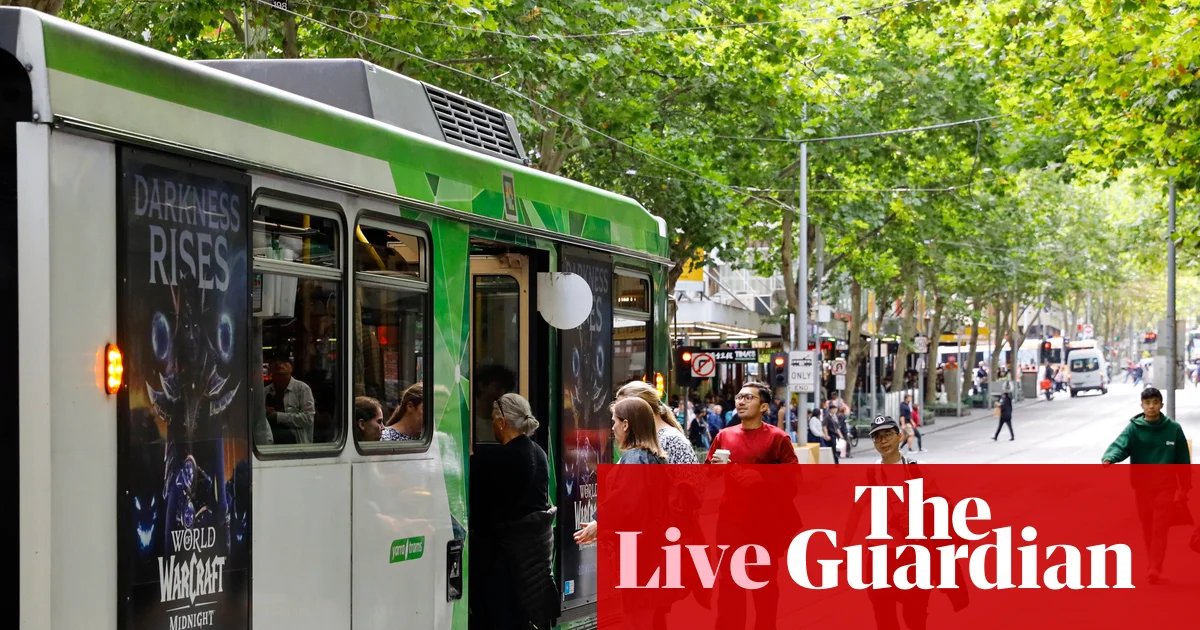
Working from home “makes a lot of sense” right now, the treasurer, Jim Chalmers, says, but he says the government won’t be enforcing Covid-style mandates on households.
Ahead of the national cabinet meeting today, Chalmers tells ABC News Breakfast the states and territories and commonwealth will need to work together to avoid “harsher” measures as the crisis deepens.
He says that Australians shouldn’t cancel their Easter weekend road trips but should use fuel responsibly.
double quotation mark The best way to get through this is to get through it together, to work through these issues, in a coordinated and ideally consistent way around the country. And the best way to avoid the kind of harsher Covid style measures is to do that work. And the better we do at the front end of this challenge that we have in our economy, the more likely we are to avoid some of those kind of harsher measures and restrictions down the track.We’re trying to avoid those kind of a heavier-handed Covid [style] interventions. But work from home in a number of instances makes a lot of sense. The prime minister has indicated more of a willingness to go down the voluntary path than the compulsory path.
Key events
Recession in Australia not the ‘expectation’ says Chalmers
Staying on his interview with Sky, Jim Chalmers says that the expectation is the economy will avoid a recession.
But the economic picture is looking grim, to say the least, with inflation expected to grow.
Just a fortnight ago the government forecast that inflation could hit 5%, but the treasurer says even those estimates are now looking “conservative”.
double quotation mark That’s our expectation that the economy will continue to grow, but it will take quite a sizeable hit from what’s happening in the Middle East.It depends how long this war drags out for and then how long it takes to get the show back on the road and the global economy after that … we released some modelling which said that instead of inflation peaking in the high threes, it might be more like the high fours or the low fives. That does look conservative now.
Chalmers softens language on fuel excise cut
The government has very slightly softened its language around a fuel excise cut, as the Coalition and independents all push for more relief at the bowser. The Coalition called for the excise to be cut in half (to 26 cents a litre) last week.
The treasurer, Jim Chalmers, is continuing his traverse through the press gallery, speaking to Sky News, where he’s asked about whether the government is open to the change.
Chalmers says the government is focused on supply, getting fuel to the regions and cost of living relief.
double quotation mark We have a range of contingencies and fall backs that we keep under more or less constant review. And as you know, Pete, our government is always looking for ways, responsible ways to help people with the cost of living, to try and alleviate some of this pressure, which is coming at people in the most recent iteration from a war in the Middle East.
While he didn’t say the government was considering the change, he didn’t flat out reject the suggestion.
It’s a little different to his words justlast week, where he said this on 25 March when asked whether the government would cut the fuel excise:
double quotation mark I think as I said as recently as yesterday, that change is not something that we have been considering.
Fuel rationing not inevitable, says Bowen
Bowen says the government has learned lessons from the Covid pandemic, and won’t be doing 9am press conferences every day “saying what you can and can’t do tomorrow”.
On today’s national cabinet meeting, he says it’s all about coordination, as opposed to the pandemic where he said governments were all “scrambling”.
Melissa Clarke asks Bowen if fuel rationing is “inevitable”, but he says:
double quotation mark No, I don’t think so, Mel – but of course, governments are meeting, including today, on prudent planning.
How will the government’s legislation to underwrite fuel shipments work?
The energy and climate change minister, Chris Bowen, says the government’s legislation will help fuel importing firms “hedge their risk” to continue importing the product into Australia.
Speaking with the ABC’s AM program this morning, Bowen says importers have told him that as the market gets increasingly expensive and more volatile, it’s riskier and more difficult to buy cargo.
Host Melissa Clark asks whether the issue is more that importers can’t borrow enough to make the purchase, and are worried they might not be able to sell it for enough to make up for the cost.
Bowen says it’s a bit of both:
double quotation mark The market’s getting a lot more expensive and a lot more volatile and a lot riskier. And for them, it’s very difficult to buy cargoes, which are maybe $25m or more, more expensive than they were a few weeks ago in such a volatile environment with the price of oil moving around.Smaller players, independent distributors who do import, they obviously don’t have the same cashflow and balance strength that some of the really big players have. So they just find it impossible in this market to, with confidence, buy very expensive tankers … then you’ve got larger players who say they’re doing it at the moment, but there’ll come a point if the price keeps going up or it gets more volatile where they simply won’t be able to do it.
Bowen says it’s a step “ahead of the curve”, that hasn’t been required yet but says it will be “vital” to have.
Government ‘trying to avoid’ Covid-style mandates, Chalmers says
Working from home “makes a lot of sense” right now, the treasurer, Jim Chalmers, says, but he says the government won’t be enforcing Covid-style mandates on households.
Ahead of the national cabinet meeting today, Chalmers tells ABC News Breakfast the states and territories and commonwealth will need to work together to avoid “harsher” measures as the crisis deepens.
He says that Australians shouldn’t cancel their Easter weekend road trips but should use fuel responsibly.
double quotation mark The best way to get through this is to get through it together, to work through these issues, in a coordinated and ideally consistent way around the country. And the best way to avoid the kind of harsher Covid style measures is to do that work. And the better we do at the front end of this challenge that we have in our economy, the more likely we are to avoid some of those kind of harsher measures and restrictions down the track.We’re trying to avoid those kind of a heavier-handed Covid [style] interventions. But work from home in a number of instances makes a lot of sense. The prime minister has indicated more of a willingness to go down the voluntary path than the compulsory path.
Good morning

Krishani Dhanji
Good morning, Krishani Dhanji with you here for the final sitting week of the month, and the final sitting week before the budget.
The prime minister will convene the national cabinet again today, the second since the US and Israeli strikes on Iran. And this morning the government will introduce legislation to underwrite fuel supplies into Australia.
The treasurer, Jim Chalmers, has been chosen for the hot seat today – he will be up and about doing the media rounds.
Meanwhile Anthony Albanese faces pressure not only in parliament but from the public, with two polls released this morning showing the prime minister’s faced a minor hit to his popularity, while One Nation’s primary vote is once again beating the Coalition.
I’ve got my coffee, I hope you’ve got yours – let’s get into it!
About the Author