OpenAI will use an appearance before a parliamentary committee to apologise again to Australia about the hack on Medicare last month, on the same day media and entertainment organisations argue weakening Australian copyright law for AI model training would leave artists as “roadkill”.
Ahead of an appearance before the joint parliamentary committee hearing on artificial intelligence in Sydney on Tuesday afternoon, OpenAI released its opening statement in which the company apologises for its AI agents attacking a number of Australian government websites in June. The multibillion-dollar company notified the government via an email to a public-facing address three months after the breach.
“I want to begin with an apology. During internal training and evaluation, our models accessed Australian government websites in ways they were not directed to. That should not have happened. We also should have handled our response better,” chief strategy officer, Jason Kwon, will tell the committee on Tuesday afternoon.
“We are sorry, and we know we have work to do to rebuild trust with the Australian people. We are committed to doing that work.”
Kwon will say he will answer questions about what happened and what changes are being made, while also arguing that AI can improve lives.
Following the revelation of another hack – on the NSW national parks and wildlife service last week – Kwon will tell the committee that more parties will be notified “promptly and directly” should more incidents be discovered in OpenAI’s ongoing review.
Hearings are set down from Tuesday until Friday this week.
‘Artists will become roadkill’
Tuesday morning’s hearing largely focused on copyright licensing for AI training in Australia, amid concerns companies such as Anthropic are pushing the Australian government to adopt an opt-out model, that would require rights holders to specifically opt out of AI training on their content.
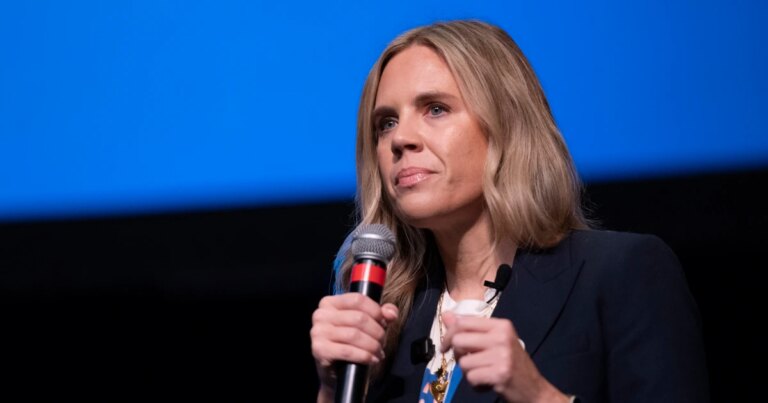
Annabelle Herd, chief executive of the Australian Recording Industry Association (Aria) told the committee that “Australia’s artists will be the roadkill in the rush” to make deals with AI companies, and Aria was not against AI frontier model training being done in Australia but it should be done on “our terms”.
“There is nothing less sovereign than rewriting our laws to suit foreign company commercial interests, done the way that big AI is proposing,” she said. “It will devastate the music industry and make Australia a pariah for rights holders globally.
She said Anthropic and OpenAI were “asking the government for a free ride” and the creative sector is calling on government not to cave into their demands.
The ABC told the committee Australia’s existing copyright regime is “completely adequate”.
after newsletter promotion
ABC’s head of content and legal operations, Kate Gilchrist, said an opt-out system as proposed by AI companies places burdens and costs on rights holders, as it would require ongoing surveillance to see whether copyright material is being used.
She said for the ABC, it would mean ensuring every site on which the ABC publishes material had opted out.
“We cannot scour the internet and ensure we are opting out on all of those different sites of publication. It simply does not work,” she said.
Gilchrist said she suspected ABC content had been scraped already.
The union representing the entertainment and news sector, the Media Entertainment and Arts Alliance (MEAA) has called for an equitable remuneration scheme that would put fees on companies across the AI technology stack.
“Revenue would support two things: direct payments to creative and media workers whose work contributes to AI systems. And secondly, a cultural fund supporting Australian live entertainment, screen music, public interest journalism and cultural activity,” MEAA’s acting chief executive, Adam Portelli, said.
OpenAI, Anthropic, Google and Microsoft are expected to give evidence on Tuesday afternoon.
About the Author