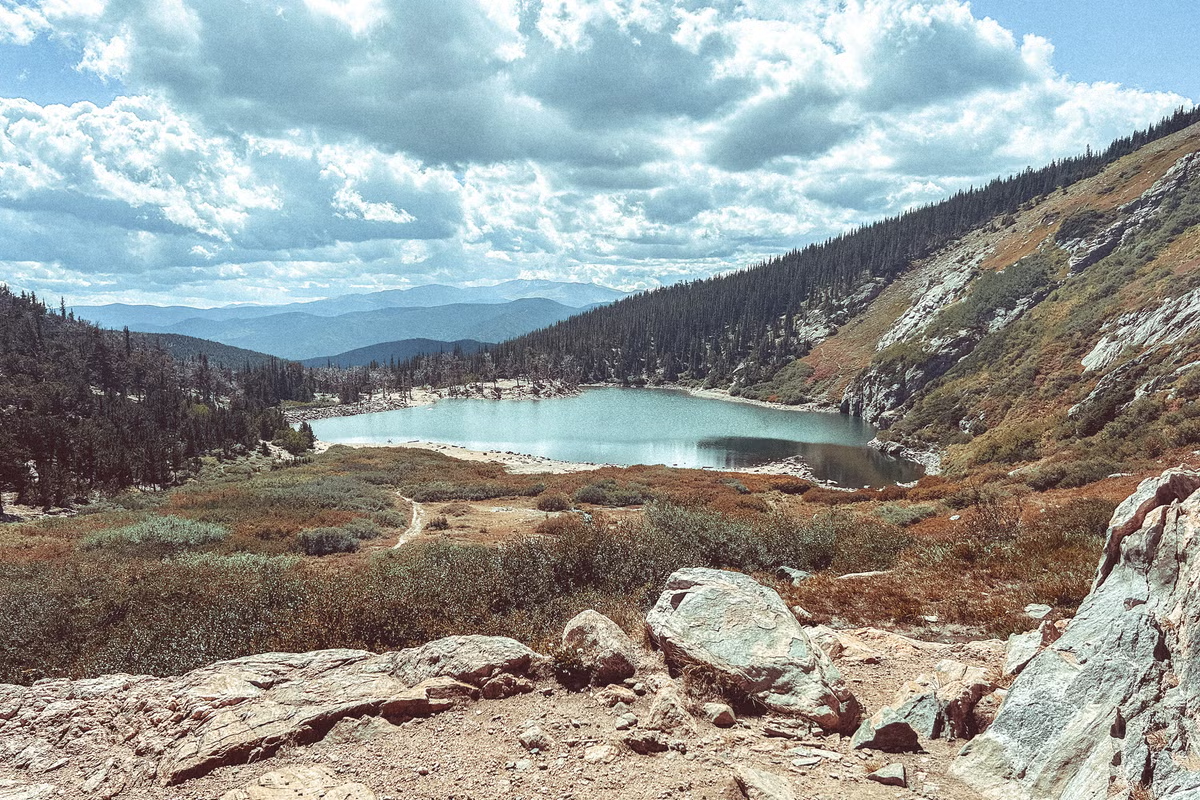
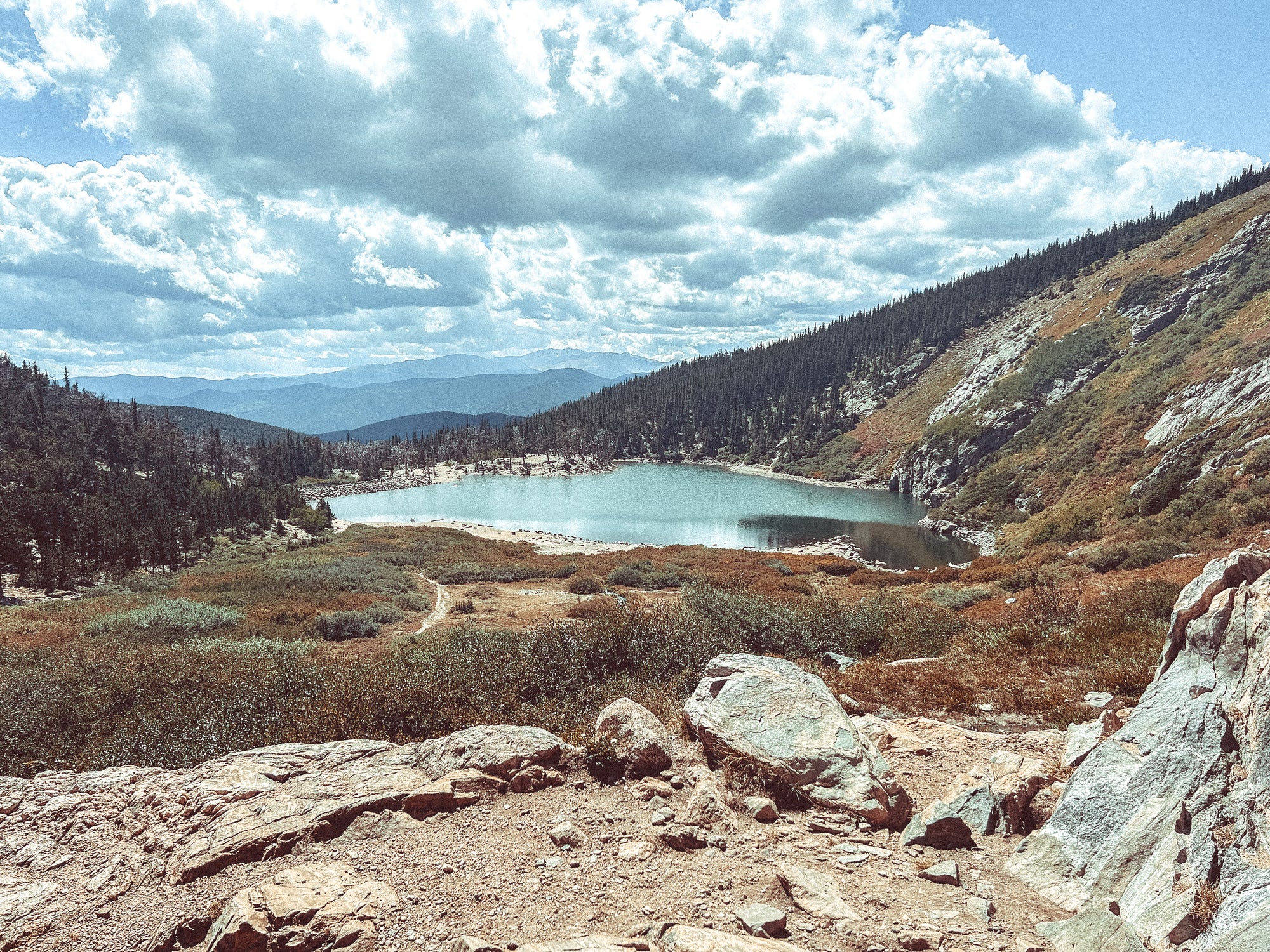
Hikers hoping to visit St. Mary’s Glacier in Clear Creek County Colorado might find themselves disappointed since the geological feature recently melted.
St. Mary’s Glacier is a perennial snowfield that, according to scientists, is a remnant of glaciers. At least it was, until it melted.
Jeremy Elder, a resident of Idaho Springs, told the Aspen Times that he lives approximately five miles from the geological site and, when he visited on Monday, found the snowfield had completely disappeared.
“I was surprised to see absolutely nothing,” he told the paper. “Not seeing any snow up there — it was honestly pretty sad to see that. It’s been such a hot summer, and with the weak snowpack last winter, I feel like all those things contributed. It’s just getting hotter and hotter, and we’re seeing the direct effects here.”
The snowfield has been around for hundreds of years and survived even the heat of summer, holding out just long enough to be rejuvenated by winter snowstorms. But now the beloved patch of snow is no more thanks to human-driven climate change.
The melt likely isn’t a terrible shock to anyone who was watched the snowfield shrink over the course of the last century.
Jordan Lipp, of Golden, told the Aspen Times that he’s visited the area more than 100 times in the past 30 years, and said he actually anticipated — based on his observations of the snowfield’s shrinking — that this would be the summer it disappeared completely.
He told the paper that he visited the snowfield to ski on September 12, but found there had been so much melt that only “two tiny pieces of snow” were left. Four days later, he returned to St. Mary’s and found it completely bare.
St. Mary’s Glacier’s melting is of course not occurring in isolation. It, like many glaciers and snowfields across the planet, is at the mercy of human-driven climate change.
Glaciers across the world have have been shrinking every year for the past 39 years, according to the NOAA.
In Colorado, average annual temperatures have increase by about 2.3 degrees Fahrenheit between 1980 and 2022, according to the Colorado Climate Center.
Jonathan Ingraham, the outdoor editor for the Rocky Mountain Journal, was among those who visited the site post-melt.
“The first thought that ran through my mind yesterday was that this glacier and the snowfield probably had been the first time it had been melted out. It was just a little of awe and surreal,” he told Fox31.
While snowstorms will no doubt dump snow back into the area later this year, it remains to be seen if the snowfield will continue on as a perennial snowfield or become a seasonal fixture that melts away in summer.
About the Author