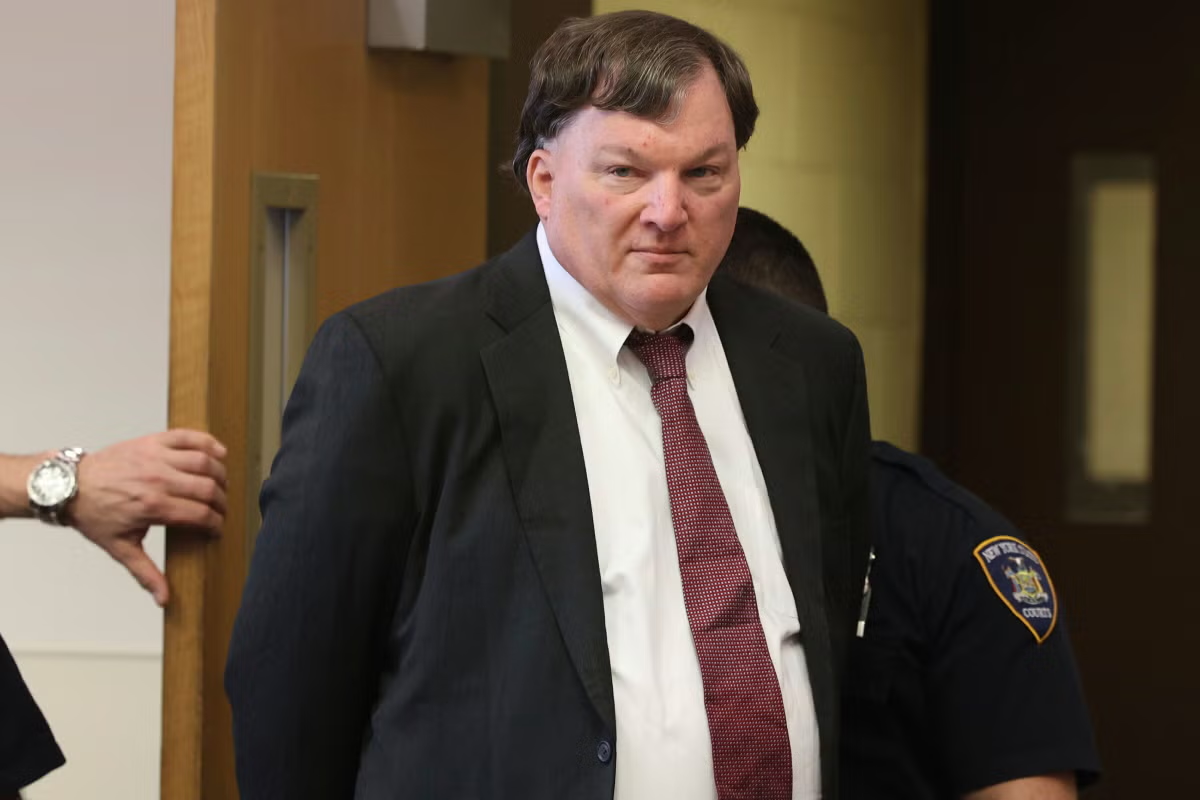
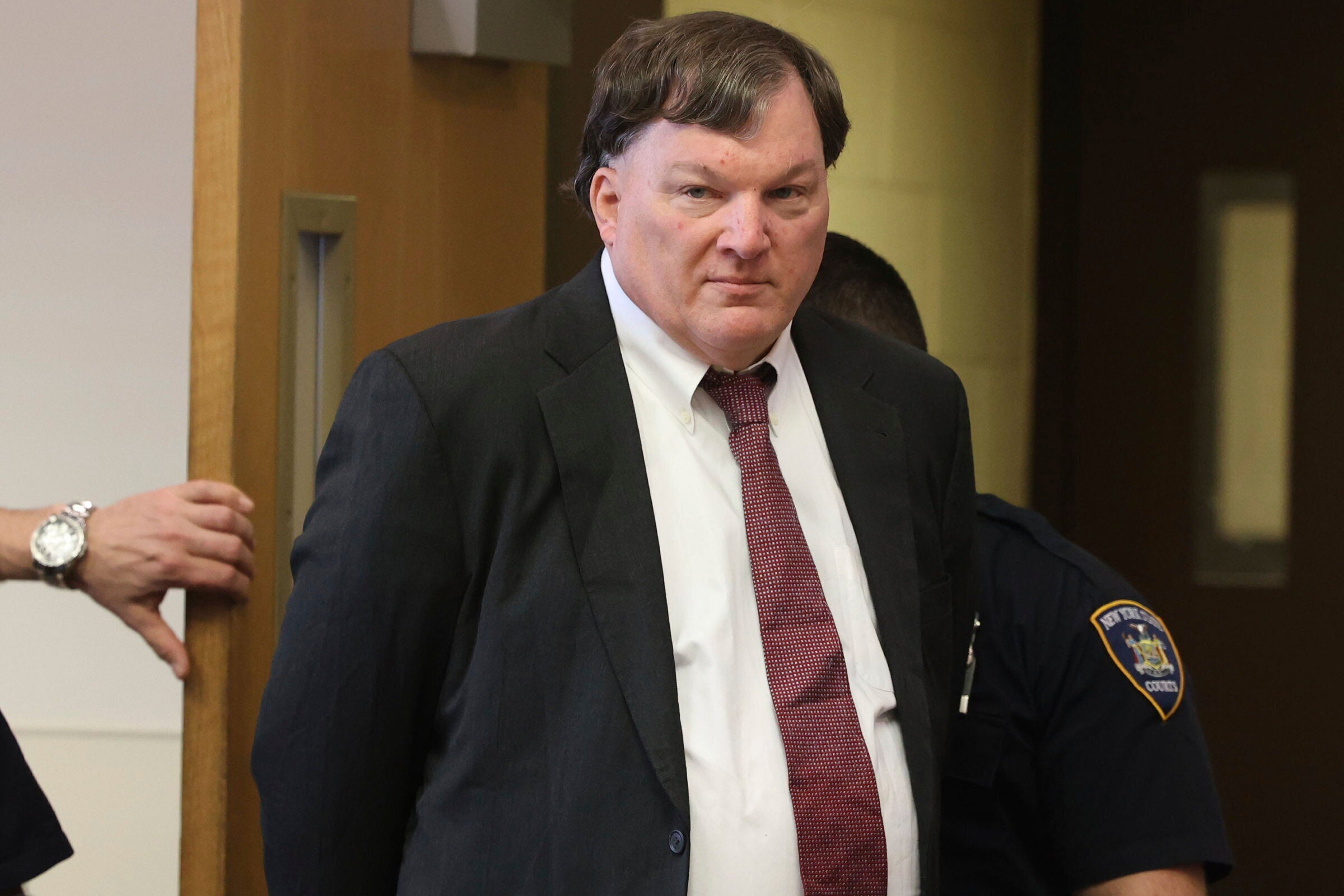
Rex Heuermann, the man accused in Long Island’s notorious Gilgo Beach serial killings, is expected to plead guilty at his next court appearance, according to multiple reports.
The former Manhattan architect is scheduled to appear in court on April 8, where sources familiar with the case say he could formally change his plea and admit to the murders of seven women whose remains were found near Gilgo Beach and elsewhere on Long Island.
Heuermann, 62, had pleaded not guilty and had been scheduled to stand trial in September in Riverhead. He has remained in custody since his July 2023 arrest. His potential plea change was first reported by Newsday.
The case first drew national attention in 2010, when police searching for missing woman Shannan Gilbert uncovered multiple sets of human remains along the shoreline.
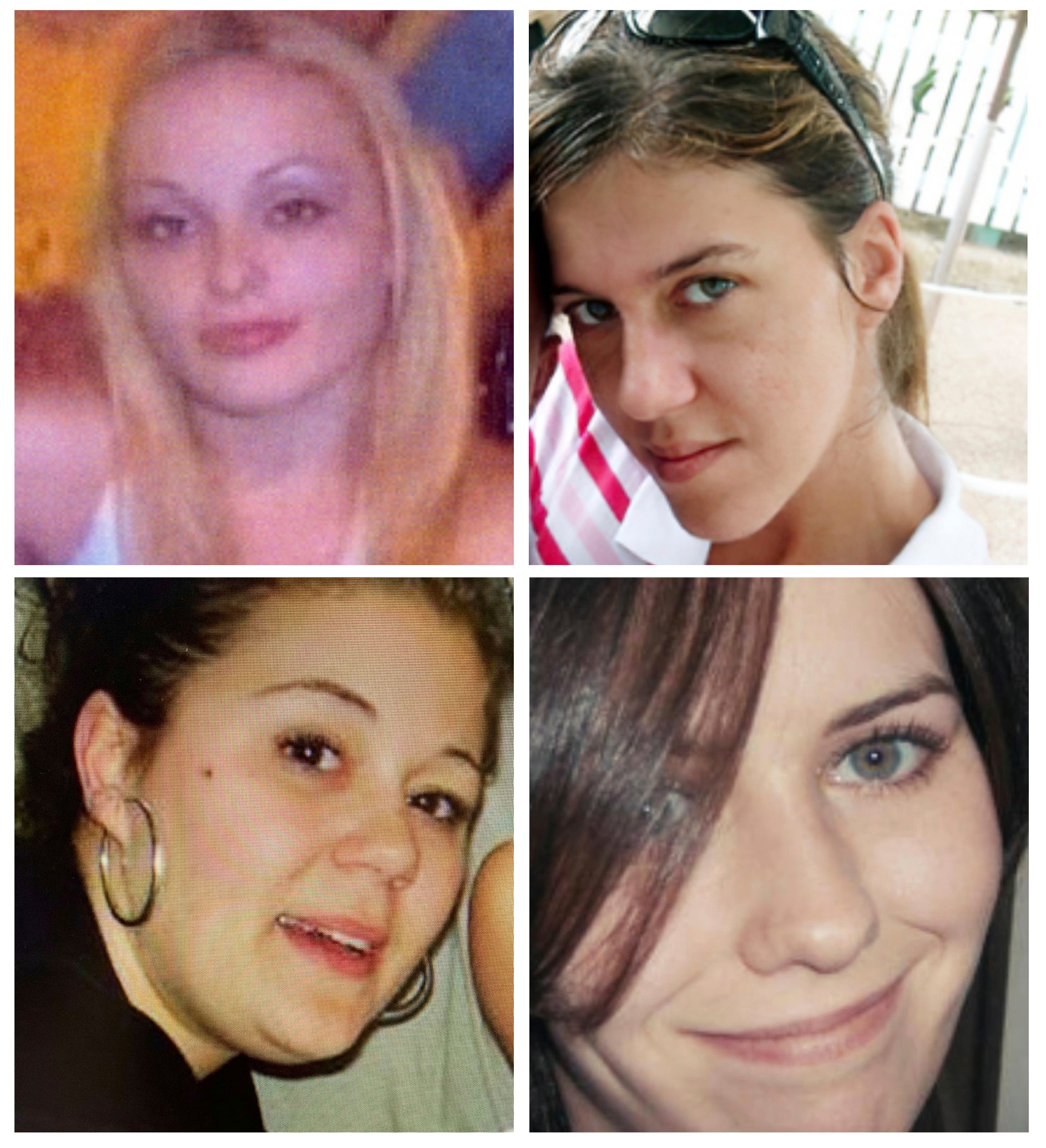
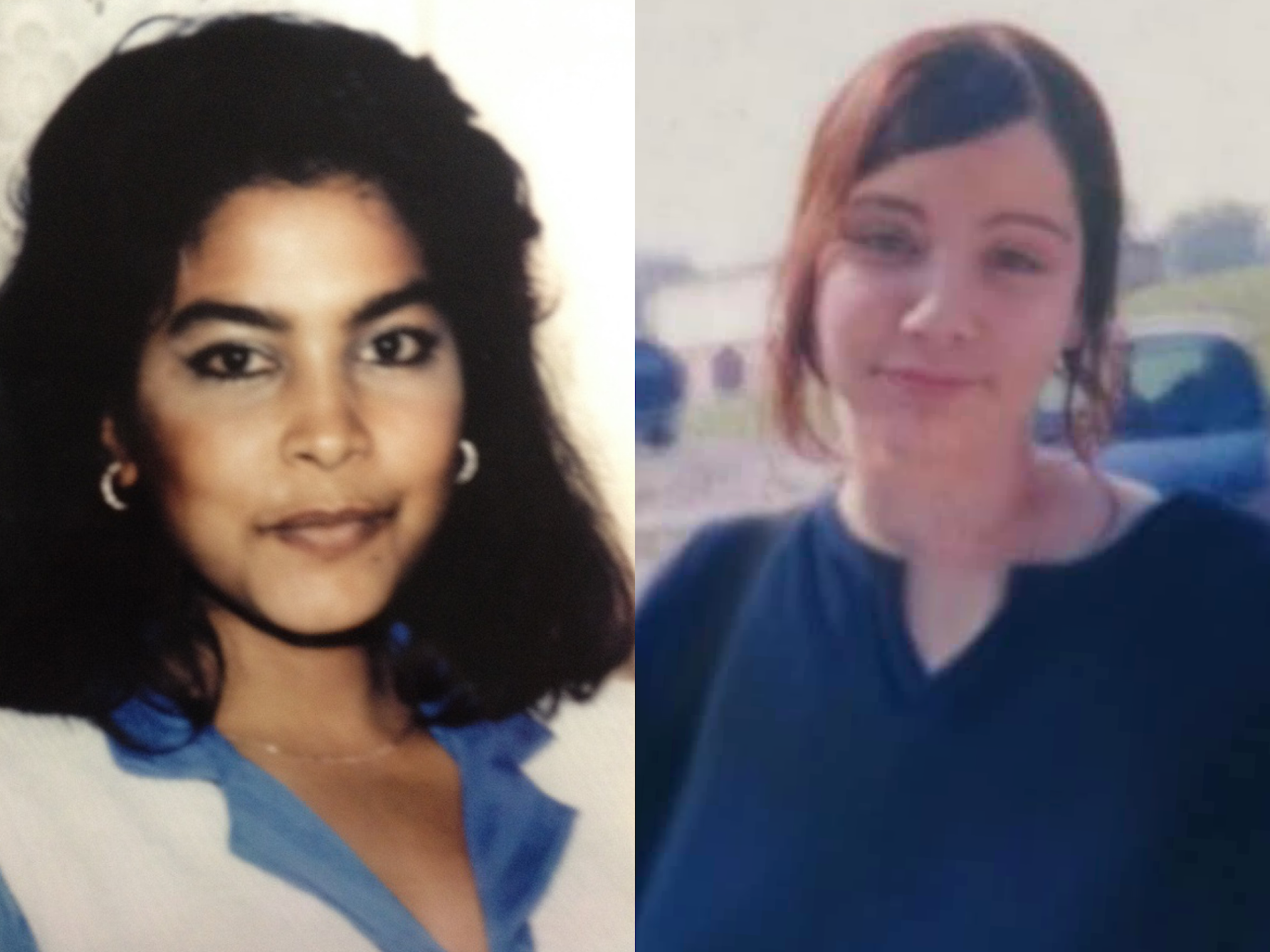
Remains of the victims – Melissa Barthelemy, Maureen Brainard-Barnes, Amber Lynn Costello, Sandra Costilla, Valerie Mack, Jessica Taylor and Megan Waterman – were all discovered along Ocean Parkway near Gilgo Beach and in other remote areas of Long Island.
The case first drew national attention in 2010, when police searching for missing woman ShannanGilbert uncovered multiple sets of human remains along the shoreline.
Investigators later used DNA analysis, cellphone records and witness accounts to identify victims and connect the killings. A renewed probe in 2022 identified Heuermann as a suspect, linking him to a pickup truck seen around the time one victim disappeared.
The Independent has reached out to Suffolk County District Attorney Ray Tierney for comment.
Authorities also recovered a discarded pizza crust that they say tied him to DNA evidence found on a victim. Additional cellphone data allegedly placed him in contact with some of the victims before their deaths, while internet searches showed interest in violent pornography and updates on the investigation.
Last year, investigators said they uncovered digital files described as a “blueprint” for the killings, including checklists referencing efforts to limit noise, clean bodies and destroy evidence.
In recent months, a judge rejected defense motions to exclude key DNA evidence and to sever the charges into multiple trials.
About the Author