
The drone debris, scattered widely, will be collected and examined to try to determine who it belonged to, whether it was armed – and whether it was launched at Lithuania deliberately or perhaps strayed off course.
Lithuania, a staunch supporter of Ukraine, shares a large part of its southern and eastern border with Belarus, a key Russian ally.
Drone sightings were reported in Lithuania on Sunday. The crisis management centre later said an object had “likely” entered from Belarus and travelled across the country’s territory before entering the airspace of Russia. The 13 September incident did not trigger air threat alerts.
Military drone incursions have become increasingly common across Europe since the beginning of Russia’s full-scale of invasion of Ukraine.
Poland also announced there had been “aviation operations” in its airspace on Monday night “due to the activity of Russian Federation’s jet-powered unmanned aerial vehicles conducting strikes on Ukrainian territory”.
These actions are of a “preventive nature” and are aimed at “securing airspace and its protection, especially in areas adjacent to threatened regions”, it added.
Residents in Lithuania’s capital were forced to take shelter across Vilnius in May after a drone alert was triggered, briefly grounding flights and rail travel.
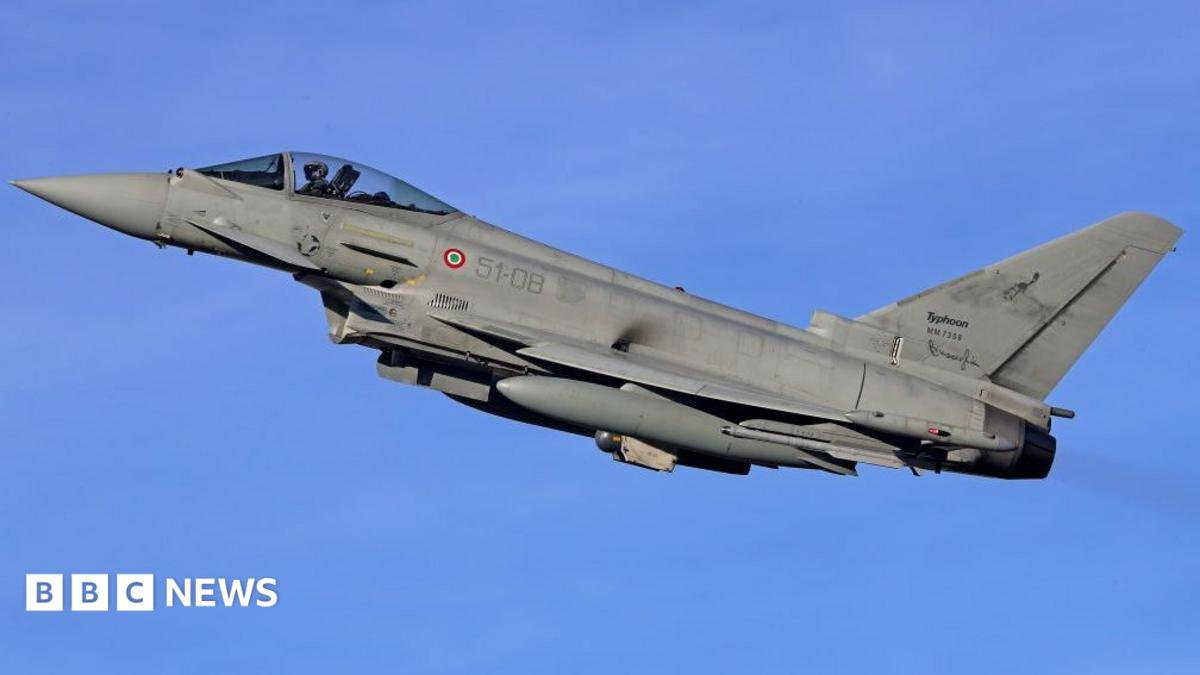
Nato jets have scrambled multiple times to shoot down stray Ukrainian drones that have crossed into Baltic countries Estonia and Latvia this year.
Ukraine has blamed the stray drones on Russian electronic warfare, technology designed to change the flight paths of Ukrainian drones.
Lithuania, Estonia and Latvia all joined Nato in 2004, becoming signatories to the Article 5 provision that states “an armed attack against one NATO member shall be considered an attack against all members”.
About the Author