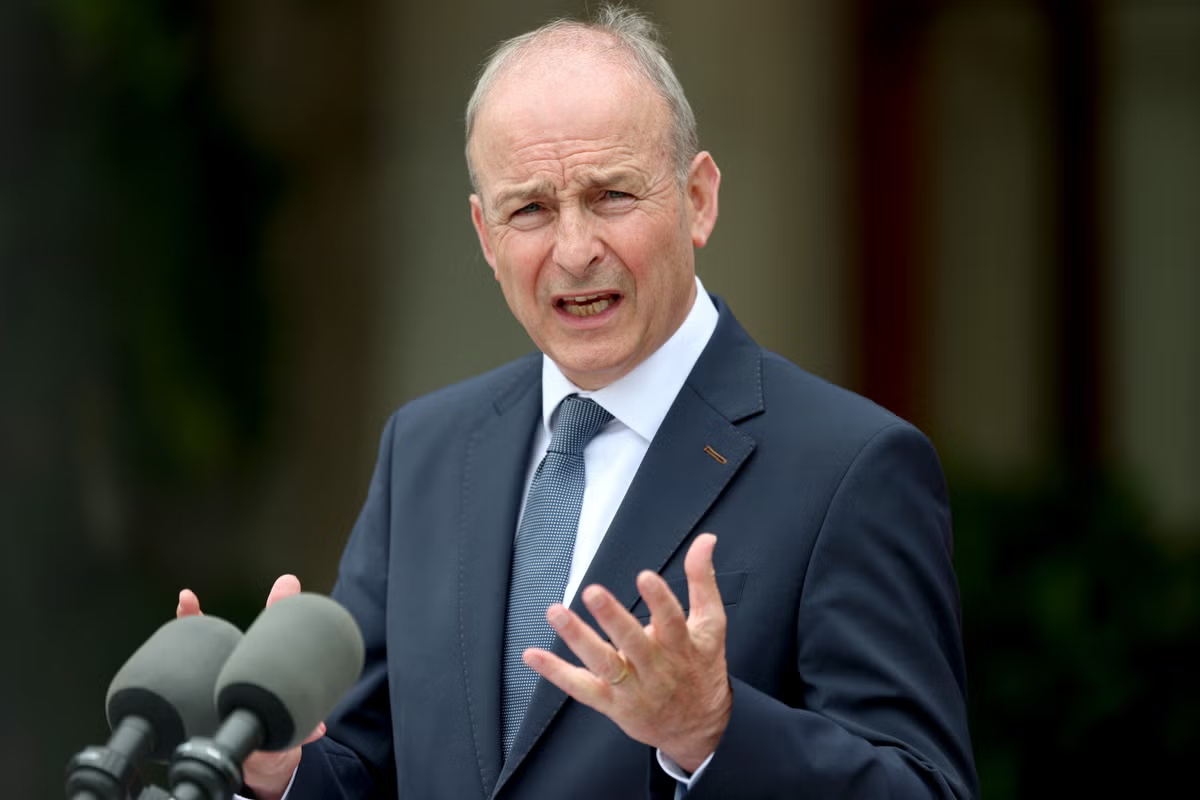
Requiring language proficiency for citizenship would ensure applicants have a “capacity to contribute to society”, the Taoiseach has stated.
Micheál Martin made the remarks as updated regulations for individuals seeking Irish citizenship are due to be presented to Cabinet this week.
Minister for Justice Jim O’Callaghan is set to bring forward proposals to amend the governing legislation and reform the system.
Under the planned changes, people applying for Irish citizenship must be resident in the country for eight years, an increase from the current five.
Applicants will also have to prove English or Irish language skills, as well as being tested on Irish civics.
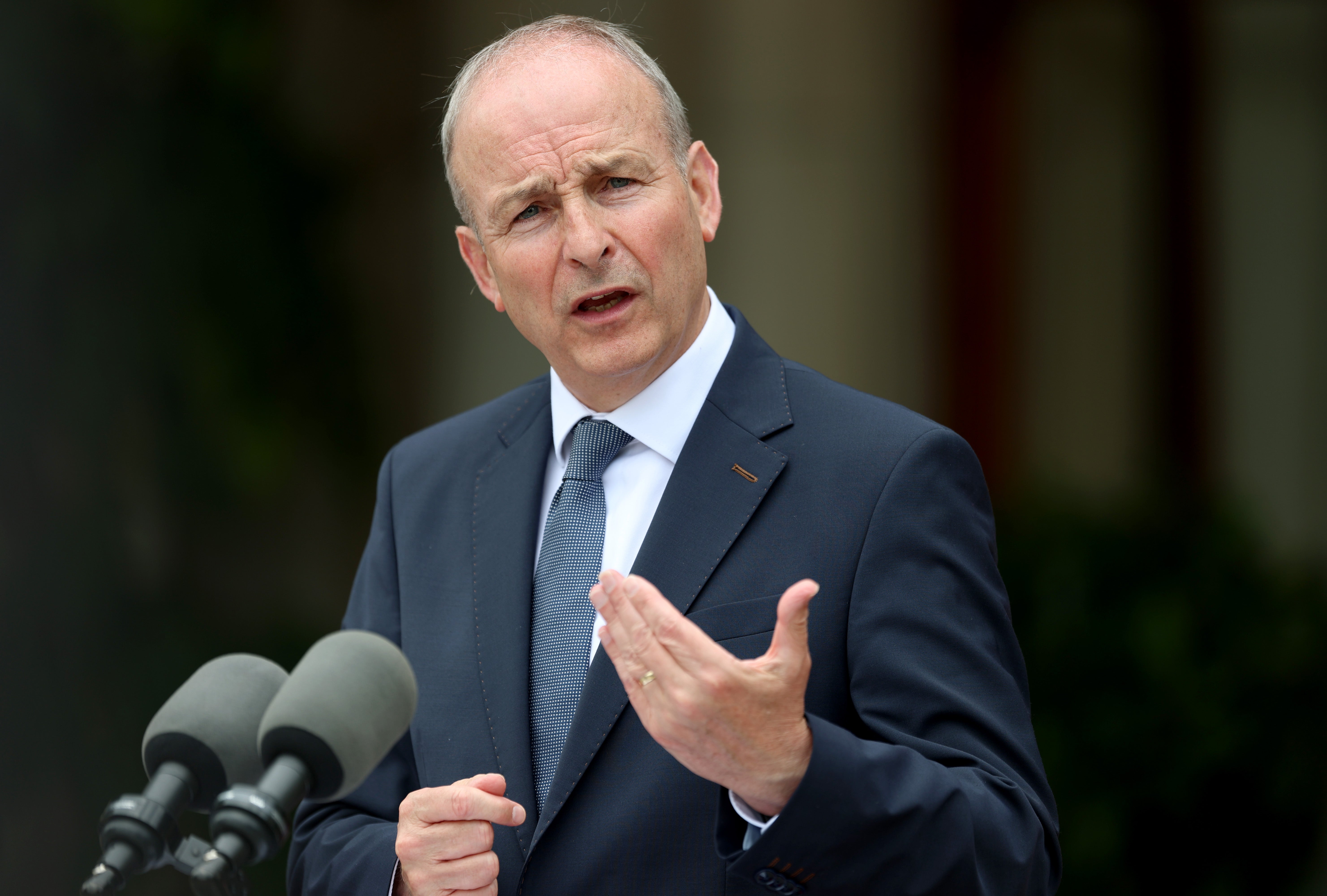
Speaking at the Fianna Fáil think-in on Monday, Mr Martin said the changes will bring Ireland into line with other European countries.
“Well, first of all, could I say that more generally on migration I think this Government has made a significant and decisive change,” he added.
“We have a firmer and more robust migration system now, and numbers of those seeking asylum is reducing, and has reduced over the last 12 months.
“In terms of returns, all of that is happening more efficiently and effectively. The European Union Asylum Pact is working, and we’ve been well prepared, and the Minister for Justice well prepared in terms of having the capacity to implement the pact.
“The costs of accommodation in respect of asylum are also coming down very significantly. So that sort of firmer, more focused, targeted response is yielding results on the migration front.
“On the citizenship proposals, this is bringing us more in line with other European Union member states.”
He said the new system would involve an understanding of Ireland and the country’s values, adding it would ensure “that with citizenship comes the capacity to contribute to society”.
“That is right and important for any nation or any country in respect of of citizenship into the future, and so these proposals will come to Government, and we obviously discuss them there and take them forward.”
The proposed legislation further states that time spent living in Ireland as part of the Temporary Protection scheme will not count towards the residency requirements.

Mr Martin said the scheme was “never meant to be a pathway to citizenship”.
He added: “I think it’s fair to say Ireland has been generous in respect of implementing the European Union directive in respect of Ukrainians fleeing war.
“Per capita, we’ve been one of the highest in terms of receiving Ukrainians.
“They’ve made a good, strong contribution to Irish society, and many are working in our economy and obviously, there has to be then – hopefully in a post-war situation, because we want this war to end – there has to be a proper, rational sort of transition.
“But also bear in mind, Ukraine needs a lot of its people back also in terms of its future, having a critical mass in terms of population, in terms of its future economic needs.”
Mr O’Callaghan defended the proposed change to the legislation, saying that eight years is a “reasonable period” of time before being eligible to apply for citizenship.
He also said that the legislation will “restrain” the growth in citizenship numbers.

“I do need to take into account, I suppose, a very significant increase in the numbers of people who have applied for citizenship. For instance, last year there were 25,000 people who were granted citizenship. It’s a wonderful occasion. I’ve been to the citizenship ceremonies. They’re very emotional. They’re great occasions,” the minister said.
“But I also do need to reflect upon what the rules are in other countries because it’s only going to go in terms of one direction.
“I want to see more citizens, but what I’m trying to do is really just restrain the level of growth in that number.
“It won’t deter people. The thing about citizenship is that it’s a privilege. It’s not a right. And in terms of people who have given a commitment to Ireland, it should be reflected that they get citizenship, and that will certainly continue if there is this new scheme approved by cabinet.”
He added: “Eight years I think is a reasonable period of time in terms of the proposal that’s been put forward.
“If you look in Luxembourg, I think you have to be there for 20 years, which is far too long. If you look at Lithuania, I think it’s 10 years. Look at Germany, it’s eight years. You go around the European Union, you’ll see that there are different periods in respective years.
“But I don’t think in any, and I could be wrong about this, but I don’t think in any European Union country that time spent in the member state by persons who are beneficiaries of temporary protection can be counted as reckonable for a naturalisation application.”
About the Author