Sept. 5 (UPI) — A federal magistrate judge on Friday ordered the Trump administration to reveal who designed the controversial $1.776 billion anti-weaponization fund that was dropped last month.
The fund was intended to compensate people who feel they were unfairly targeted by the government, and could have been used to pay Jan. 6 rioters convicted of violent crimes.
It was negotiated in a settlement between President Donald Trump’s private attorneys and his Justice Department.
The settlement would have also shielded Trump and his businesses from IRS audits.
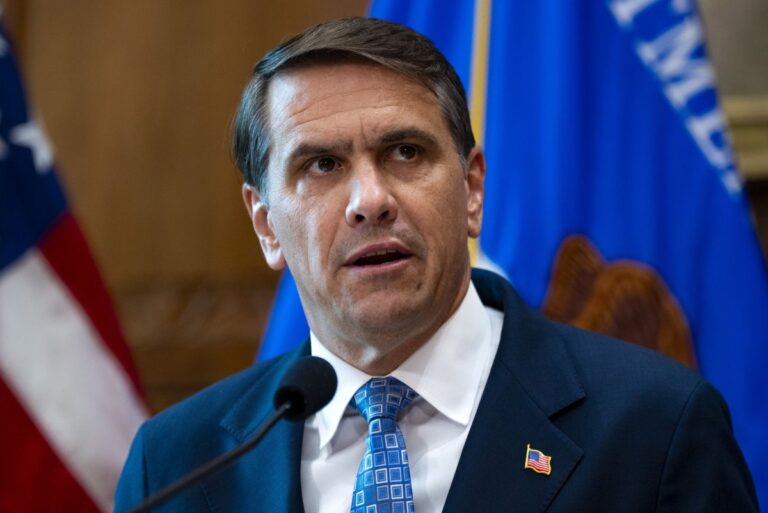
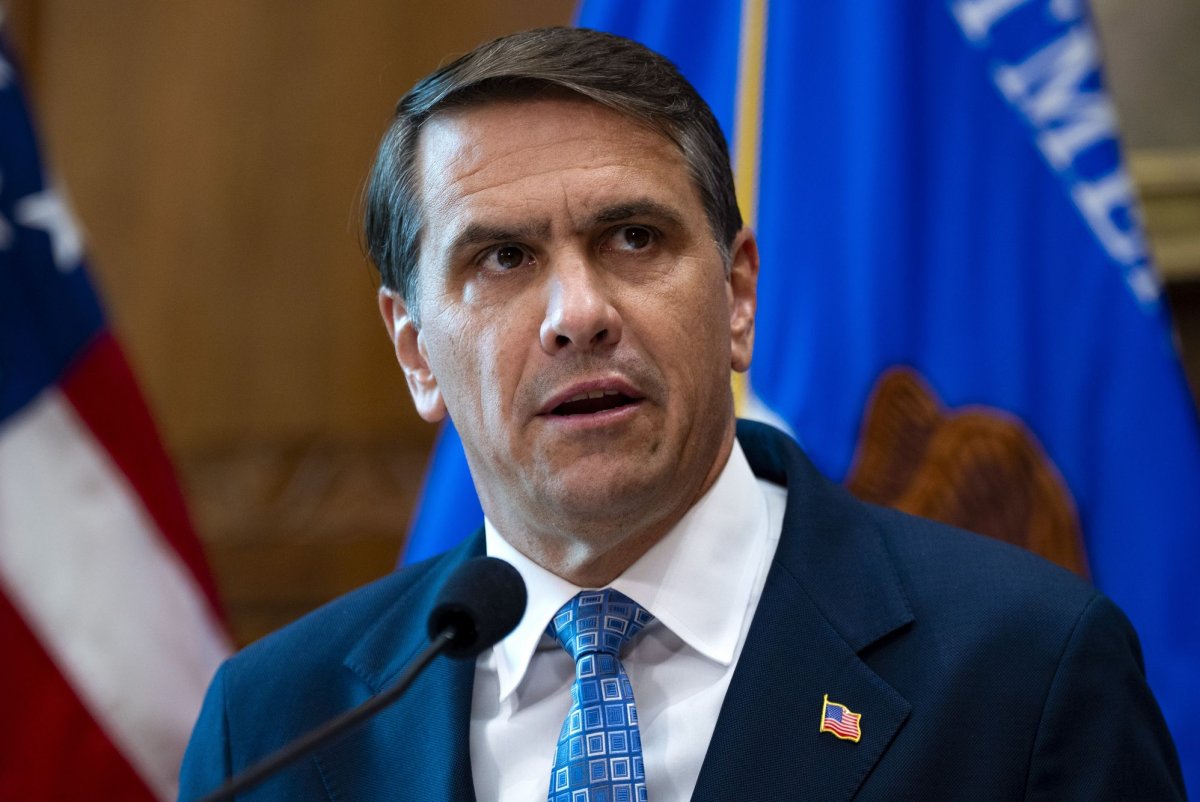
Attorney General Todd Blanche said last month the fund is dead but the president has been less committal.
The issue continues to be the subject of litigation brought by the nonprofit Democracy Forward on behalf of a fired prosecutor and a college professor.
On Friday, Magistrate Judge Ivan Davis ordered the government to disclose who were the architects of the fund and how it was organized.
“Today’s order granting discovery is a significant step in getting to the bottom of the slush fund,” said Aman George, senior counsel at Democracy Forward, in a statement shared with the Guardian.
“We will continue to meet the government in court until our investigation is complete and the slush fund is permanently halted.”
Blanche, whose nomination for attorney general was nearly upended due to the fund, issued a written order effectively killing it on Aug. 3.
“The attorney general’s May 18, 2026, order establishing the Anti-Weaponization Fund is rescinded and shall have no force or effect,” Blanche wrote.
The order was signed only by the then-acting attorney general, and not by Trump or his lawyers. The IRS portion of the order was not signed.
Critics of the move have said the order still leaves in place the possibility that it could be revived.
Sen. Adam Schiff, D-Calif., who sits on the Senate Judiciary Committee, said Blanche’s order wouldn’t stop the Trump administration from bringing back the fund whenever it wants or “prevent payouts to violent insurrectionists in the future.”
Schiff added the order still “leaves in place a tax-immunity deal that could help Trump skip taxes on the $2.3 billion he made last year, and still leaves it vague who and what is covered.”
About the Author