Long lines at airports and flight delays across the country are just symptoms of a worsening crisis engulfing the Trump administration, with the partial government shutdown now threatening this summer’s FIFA World Cup and disrupting critical U.S. cybersecurity operations.
As the shutdown of the Department of Homeland Security entered its 40th day, senior officials warned that rectifying the problem would take more time than remains before the World Cup kicks off, due to the need to train new staff.
The shutdown began in mid‑February after lawmakers failed to reach a deal on DHS funding, leaving tens of thousands of employees unpaid and halting major parts of the department’s work.
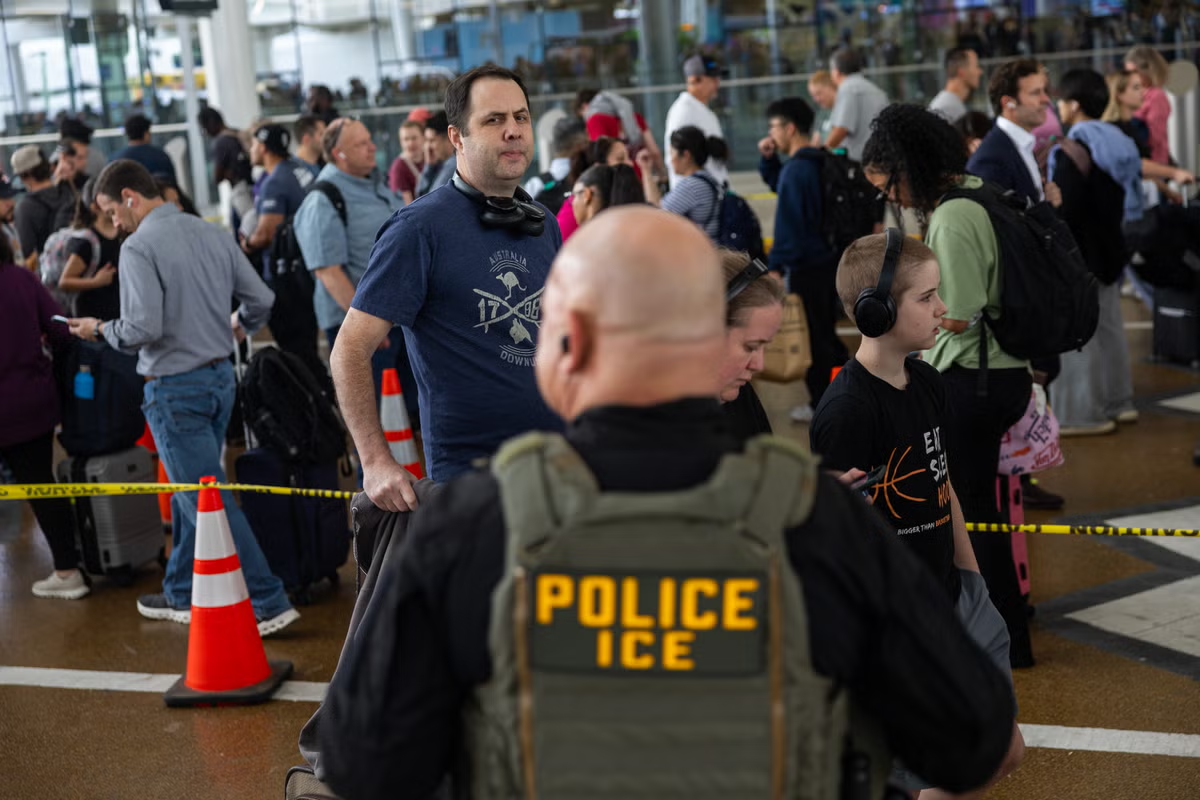
While agencies such as Immigration and Customs Enforcement and Customs and Border Protection remain funded, the rest of DHS – including the Transportation Security Administration (TSA), FEMA, the Coast Guard and the Cybersecurity and Infrastructure Security Agency – has been forced to scale back operations or furlough staff.
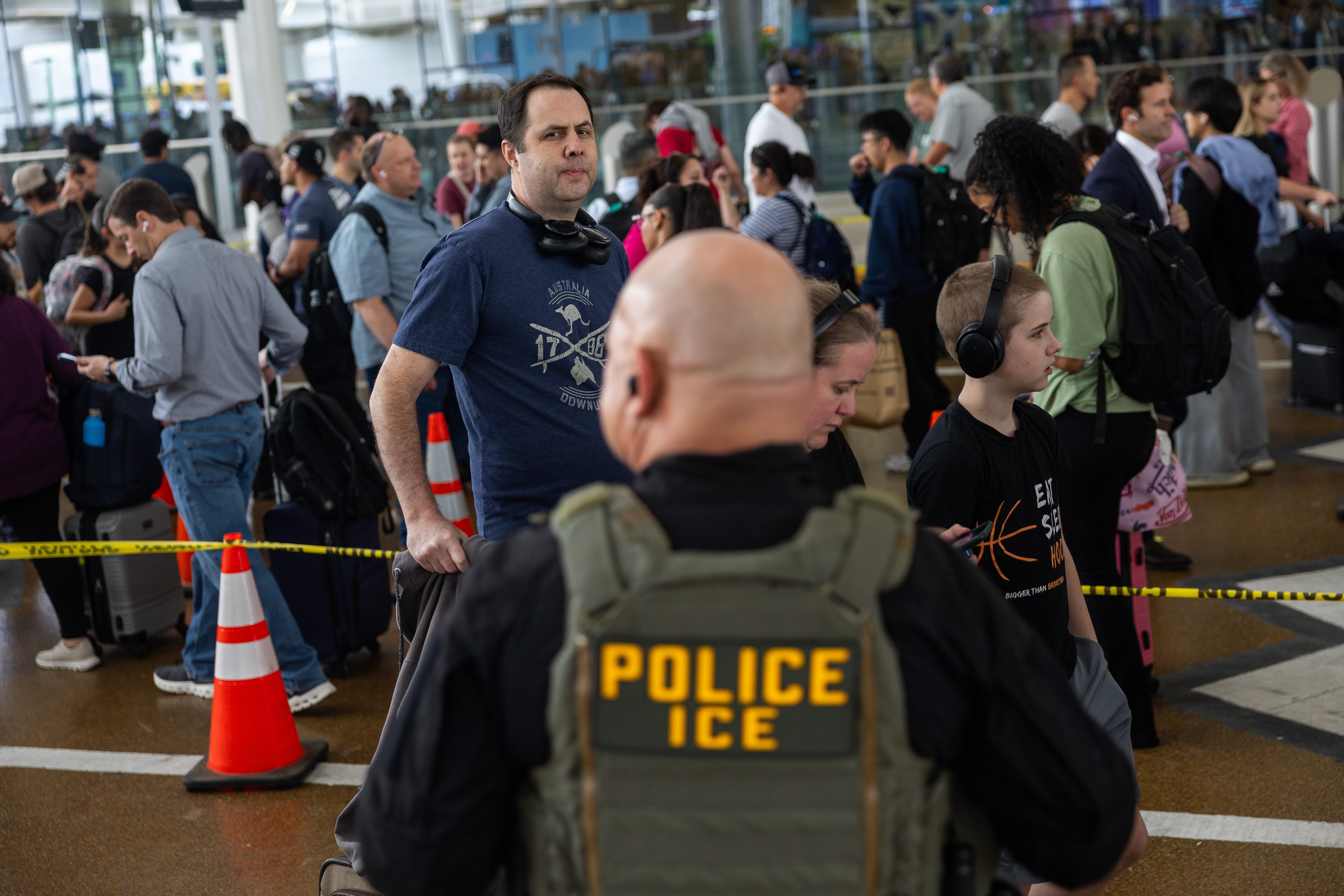
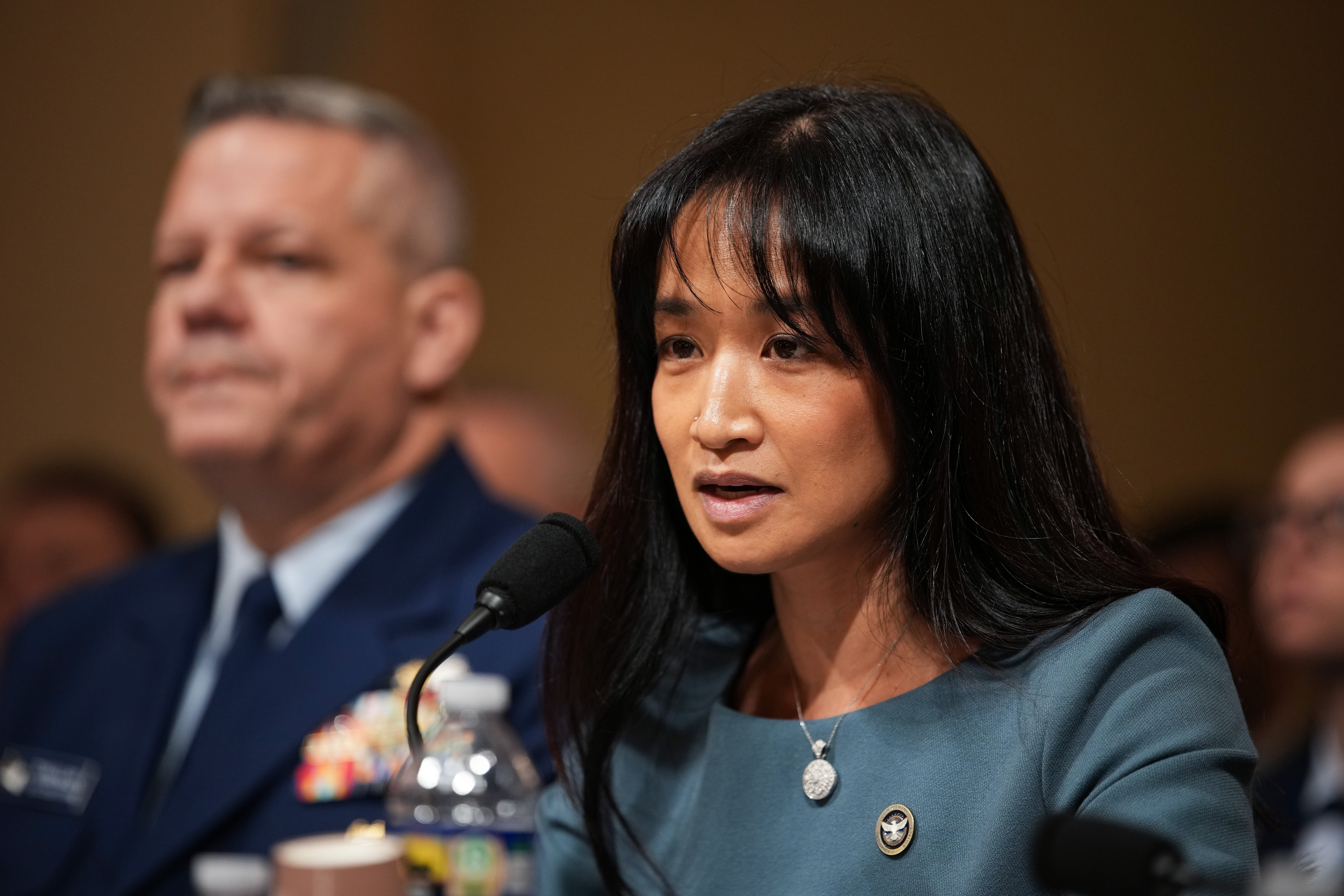
Ha Nguyen McNeill, the acting head of the TSA, told lawmakers that more than 480 officers have resigned since the shutdown began, while others are calling out because they “simply cannot afford to report to work.”
The result has been record‑breaking airport queues, with some passengers waiting more than four hours to clear security checkpoints.
“We are anticipating a significant influx in passenger volume as fans travel through airports to see the games,” McNeill said, warning that even if the shutdown ended immediately, new TSA hires would not be trained in time for the World Cup, which begins in June.
“Those officers would not be able to work on the checkpoint until well after the World Cup has concluded,” she said.
The staffing crisis has raised concerns that some airports may be forced to close security lanes or entire terminals if the shutdown continues.
World Cup security preparations stall
The United States is preparing to host millions of international visitors for the 2026 FIFA World Cup, but DHS officials said key security planning has already been disrupted.
Members of Congress were told a “potential perfect storm” was now on the cards with a severe shortage of frontline security staff combined with an enormous surge in travel to the games.
The Coast Guard, which plays a major role in maritime security for large‑scale events, has been unable to fully prepare. Admiral Thomas Allen, the service’s vice commandant, told NBC News there had been insufficient funding to operate or pay its workforce for 85 of the past 176 days.
The agency has also halted issuance of more than 16,000 Merchant Marine credentials, with a backlog growing by 300 a day. “We know through experience, it will take us about two‑and‑a‑half days to recover from every day we are in a shutdown,” Allen said, indicating it could already take over three months to return operations to normal.
Cybersecurity work scaled back as risks accumulate
Nicholas Andersen, acting deputy director of the Cybersecurity and Infrastructure Security Agency, said about 60 per cent of CISA’s workforce is furloughed or unable to work.
The agency continues to monitor active cyberthreats, but Andersen said long‑term risk‑reduction efforts have had to be paused. “The result is simple: risk is accumulating across the system,” he said.
Meanwhile, FEMA officials have warned that the agency’s Disaster Relief Fund is being rapidly depleted, and the shutdown is now delaying disaster recovery efforts across the country.
“This is not just rhetoric,” said Victoria Barton, associate administrator for FEMA’s Office of External Affairs, “these impacts are having dire rippling effects for thousands of Americans and communities across the United States waiting for assistance.”
The agency has reportedly postponed training courses for disaster preparedness and anti‑terrorism response, affecting about 40,000 people, including local officials and first responders.
Political standoff deepens
The shutdown is the third to hit DHS in less than a year, and lawmakers again blamed each other for the impasse. Senate negotiations collapsed on Wednesday as Republicans and Democrats rejected each other’s proposals.
Democrats are seeking more accountability mechanisms for immigration enforcement, while Republicans want the president’s immigration agenda funded.
President Trump accused Democrats of creating “chaos at the airports” and called them “lunatics” for what he described as “radical left asks.” He insisted Democrats were “FULLY TO BLAME” for the standoff and warned they “must pay a big price” in the midterm elections.
Democrats have said the administration is refusing to address the core issues that led to the shutdown, which began after two U.S. citizens – Renee Good, 37, and Alex Pretti, 37 – were killed during DHS’ Operation Metro Surge in Minnesota.
About the Author