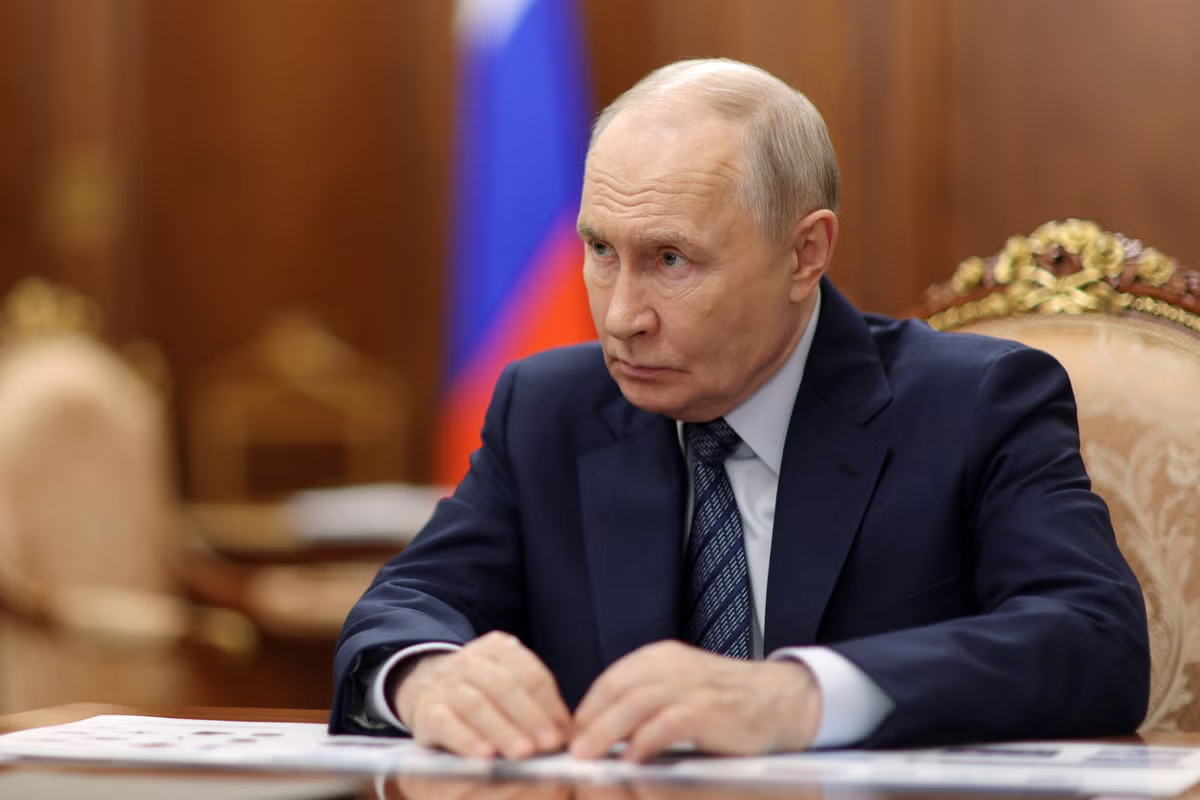
Vladimir Putin believes Donald Trump has been “weakened” by the war in Iran and this could allow the Russian president to ramp up aggression in Europe, US intelligence has indicated.
While the details of CIA director John Ratcliffe’s trip to Moscow this week remain elusive, The Washington Post has reported that the meeting cautioned Moscow against banking on the US president being distracted by conflict with Tehran to escalate action against Ukraine.
For Putin, the ground war in Ukraine has not proved to be the quick victory he presented to the Russian public, where in 2014, he claimed he could, if he chose to take Kiev, do so “in two weeks.”
Instead, as the war drags into its fifth year, Moscow has faced growing levels of internal division, putting pressure on the Russian president.
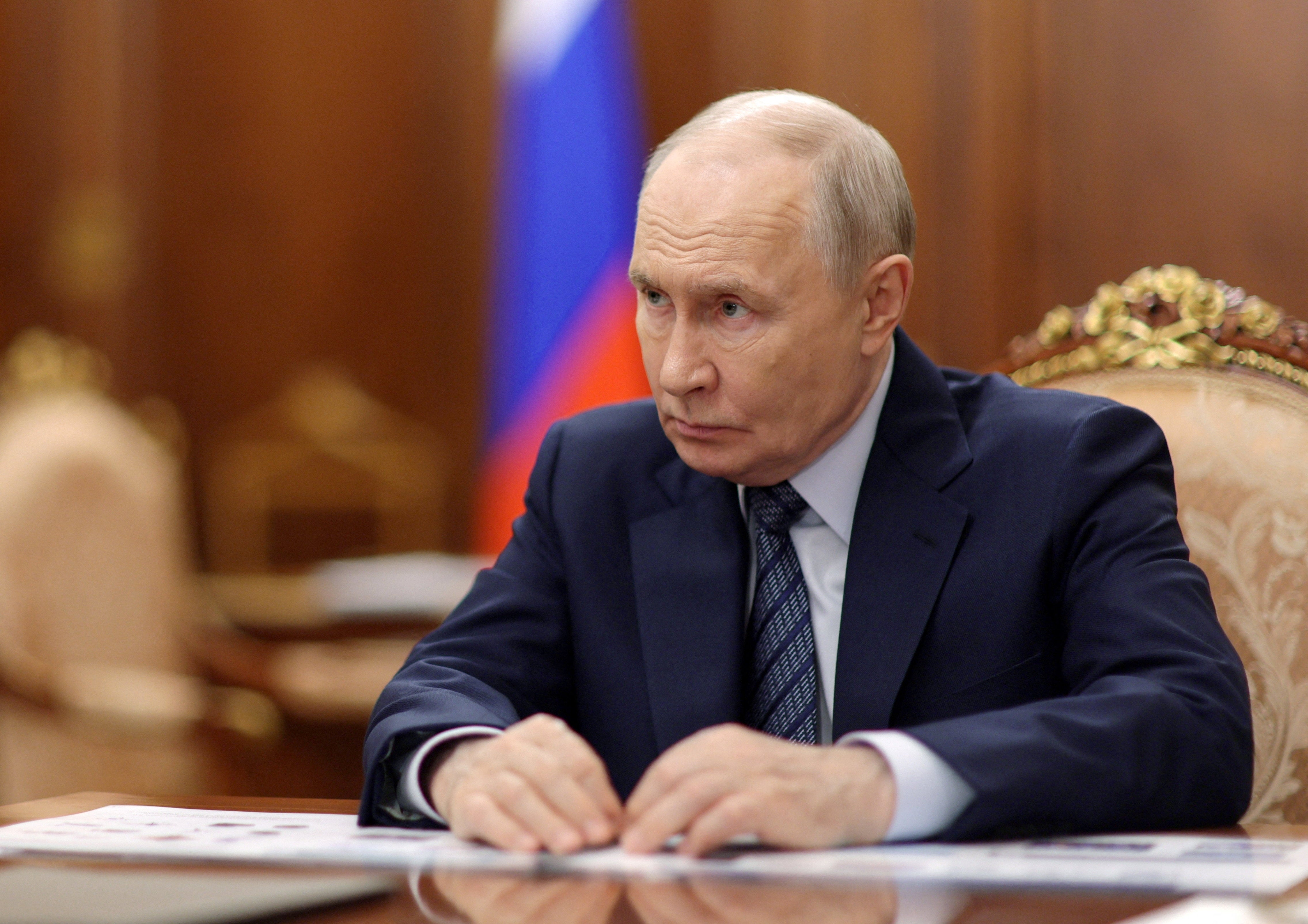
The past month has seen this division culminate to form what experts have labelled the Kremlin’s “biggest domestic challenge” so far.
These challenges are becoming glaringly obvious, where Russian officials have termed the conflict a “war of attrition” that cannot be won.
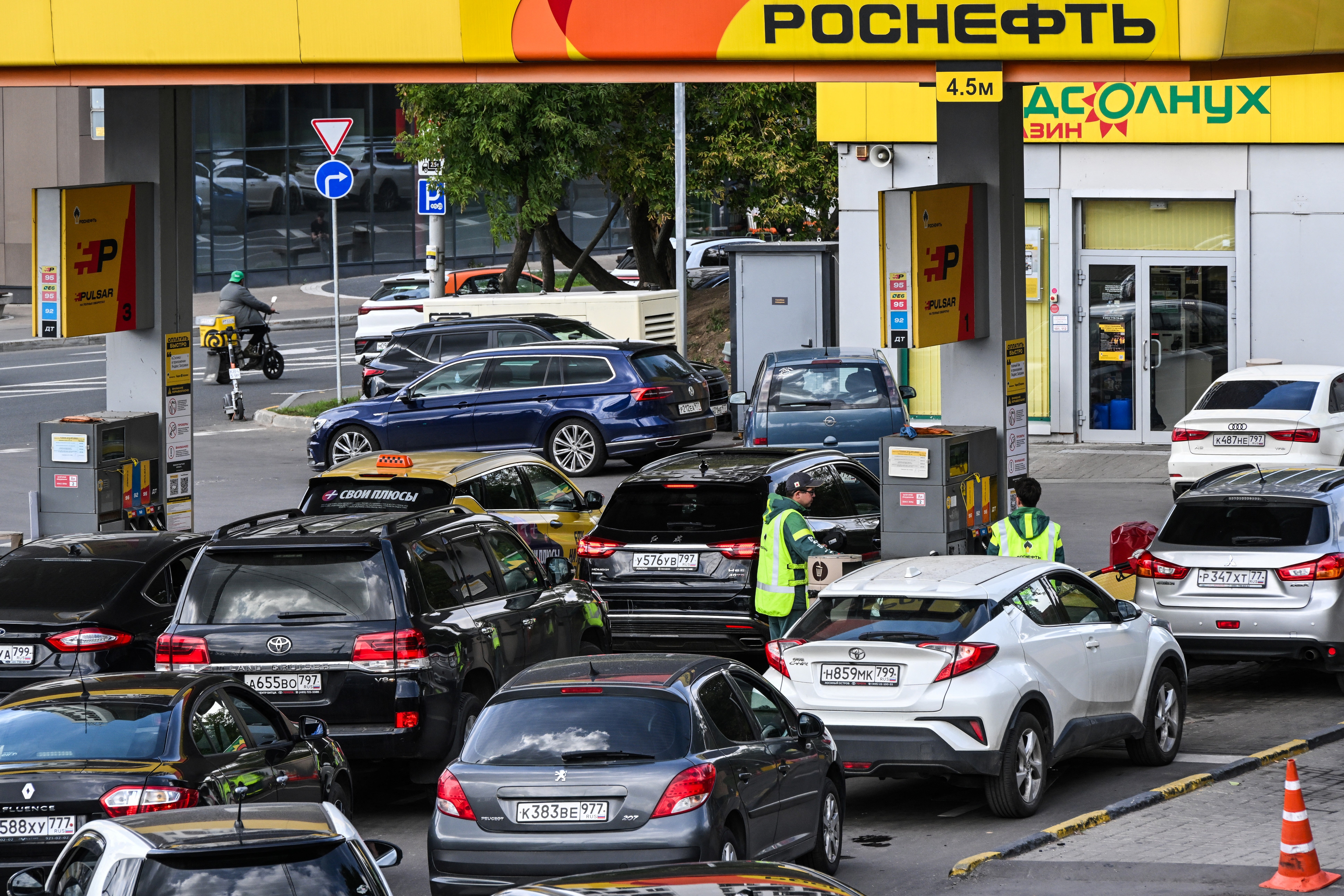
Reports on fist-fights over fuel, and brutal state-led crackdowns on residents complaining about 30-hour-long queues for petrol are making it increasingly clear that Putin must take decisive action to end the war.
But as Katia Glod, the deputy head of foreign policy at the New Eurasia Strategies Centre (NEST) think tank points out, NATO’s staunch backing of Ukraine has forced Putin into a position where he can offer little but empty threats.
Aware that Russia does not have the military capacity to respond to any potential NATO-led action, the Russian president’s repeated threats that western Europe is “playing with fire,” have failed to follow up with action.
But as Trump is forced to reckon with the spiralling consequences of his war in Iran ahead of mid-term elections, Putin has found a potential chink in NATO’s armour — the flow of weaponry to Ukraine.
Reports indicate that Operation Epic Fury has seen stockpiles of key weapons dwindle, where it is estimated that the US has used anywhere from 50 to 65 per cent of its Patriot missiles to defend its bases from Iranian strikes across the Gulf.
In a similar vein, the Navy has burnt through roughly a third to half of its entire global Tomahawk stock in Hormuz, while stocks of missiles for the Army Tactical Missile System (ATACMS) and precision strike missiles (PrSM) have been nearly exhausted.
Together, these hits to stockpiles have been so severe that the Council on Foreign Relations has declared the US to be facing a ‘munitions crisis.’
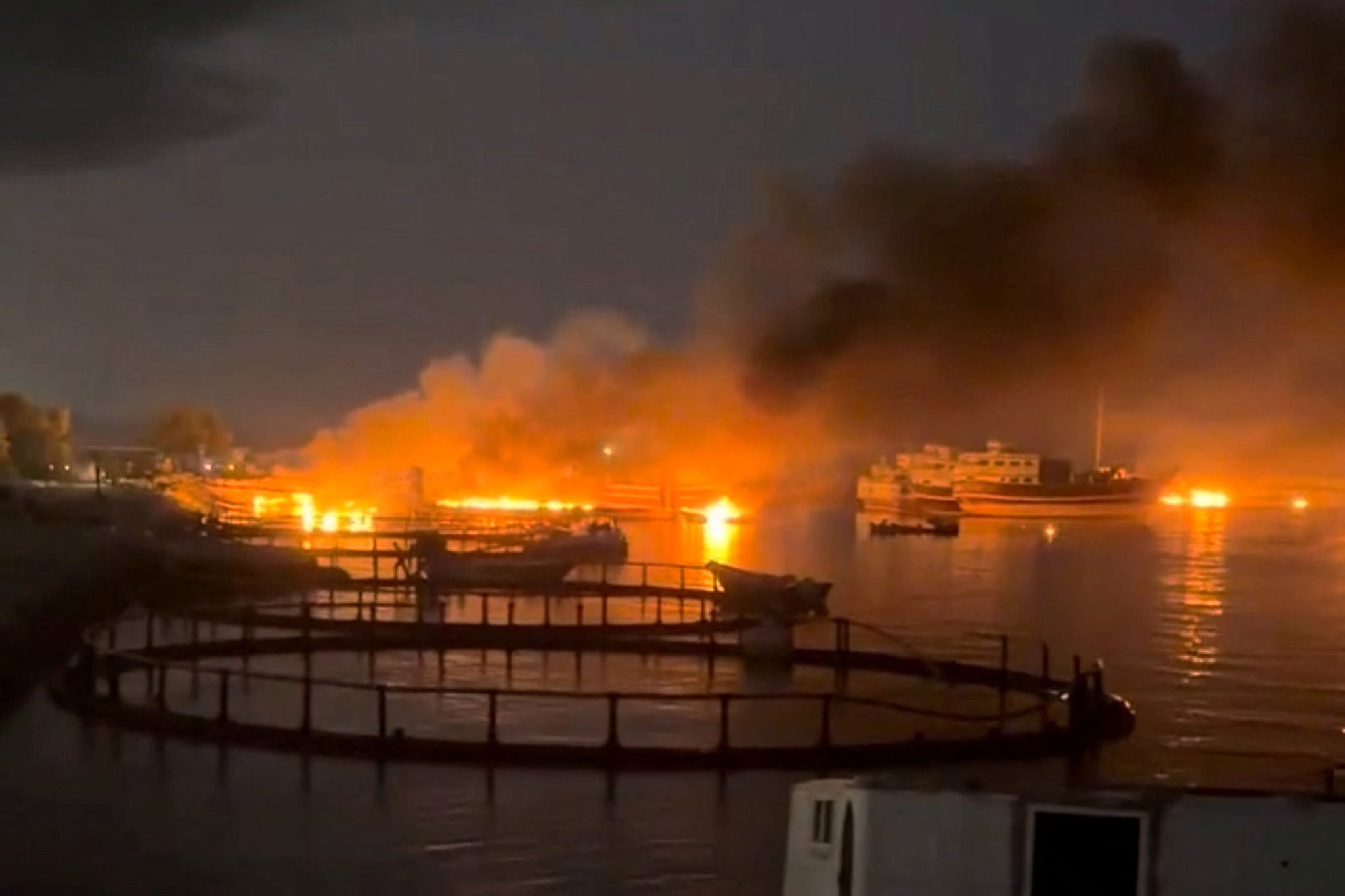
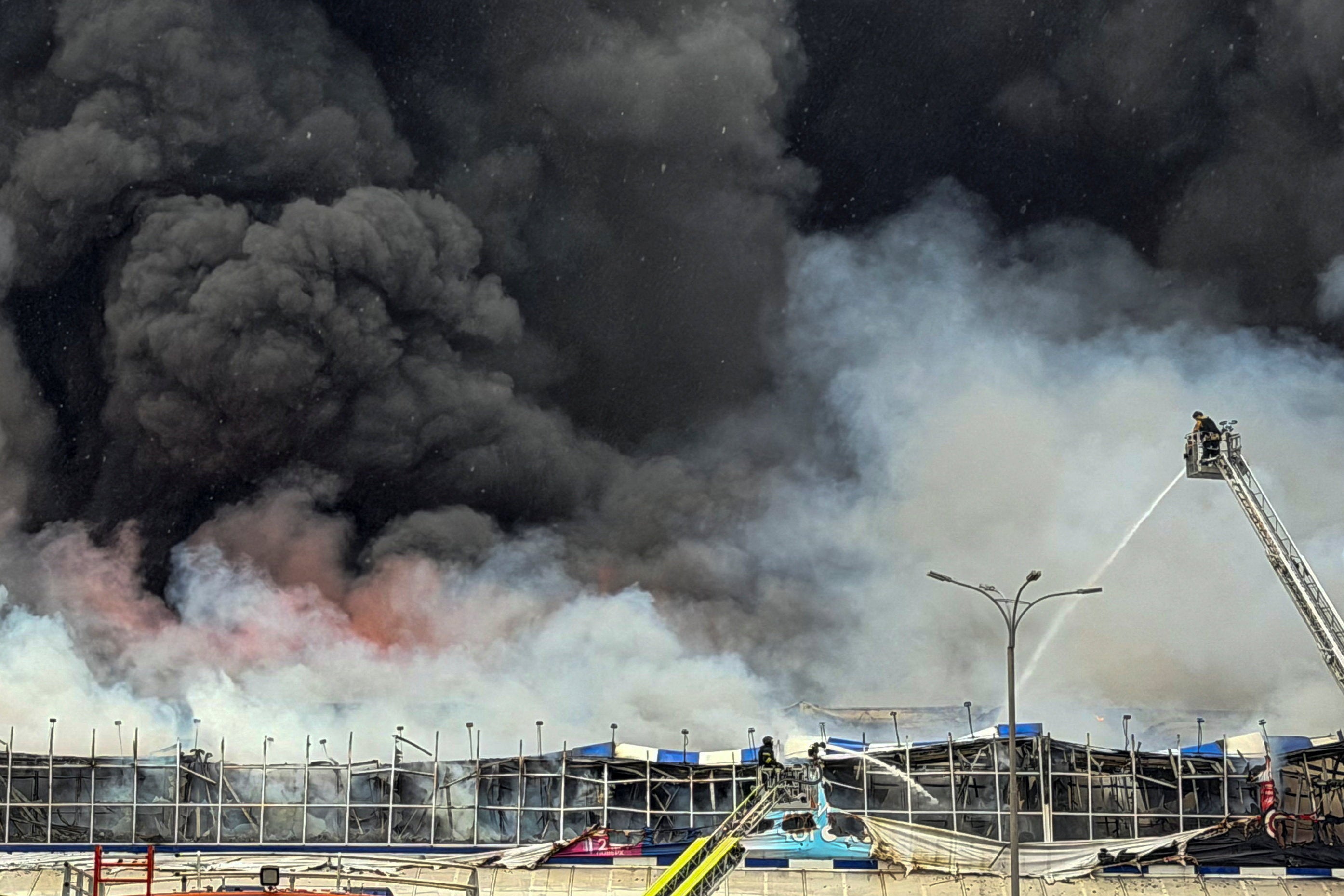
For Putin, this news is cause for celebration — Trump’s shrinking supply leaves less to be given to Ukraine, where Kyiv’s “deep-strike” campaign has wreaked severe damage on both Russia’s energy infrastructure and e-commerce sector.
As Ukraine’s supply of air defence interceptors — which have been supplied by the United States — slowly deplete, Moscow has capitalised on Trump’s pivot toward Iran to ramp up its own attacks.
Although European countries have pledged to supply Kyiv with alternative interceptors, these are not expected to arrive until next year.
Because of this, Ratcliffe’s trip to Moscow was “less about Putin being in a corner … and more because Russia assesses [US stockpiles] are depleted and can’t intervene,” an anonymous source told The Post.
While Putin has sensed that these troubles have weakened Trump’s grip on the European conflict, Ratcliffe reportedly told Russian officials that if Russia escalates its war in Ukraine, it would effectively push Trump closer toward Kyiv, the source added.
As NATO members including Poland, Germany and Moldova become subject to increasingly provocative acts of Russian aggression, with Kremlin-linked airspace violations, errant drones, and parcel-bomb plots drawing condemnation from the EU commission, it is clear that, for now, Putin is taking advantage of the global focus on the Middle East.
Whether Putin will heed Ratcliffe’s warnings, or press ahead while Trump’s head is turned eastwards remains uncertain.
About the Author