March 25 (UPI) — Environmental organization Oceana has accused the Mexican government of maintaining an opaque response to an oil spill that has affected at least 390 miles of coastline in the Gulf of Mexico.
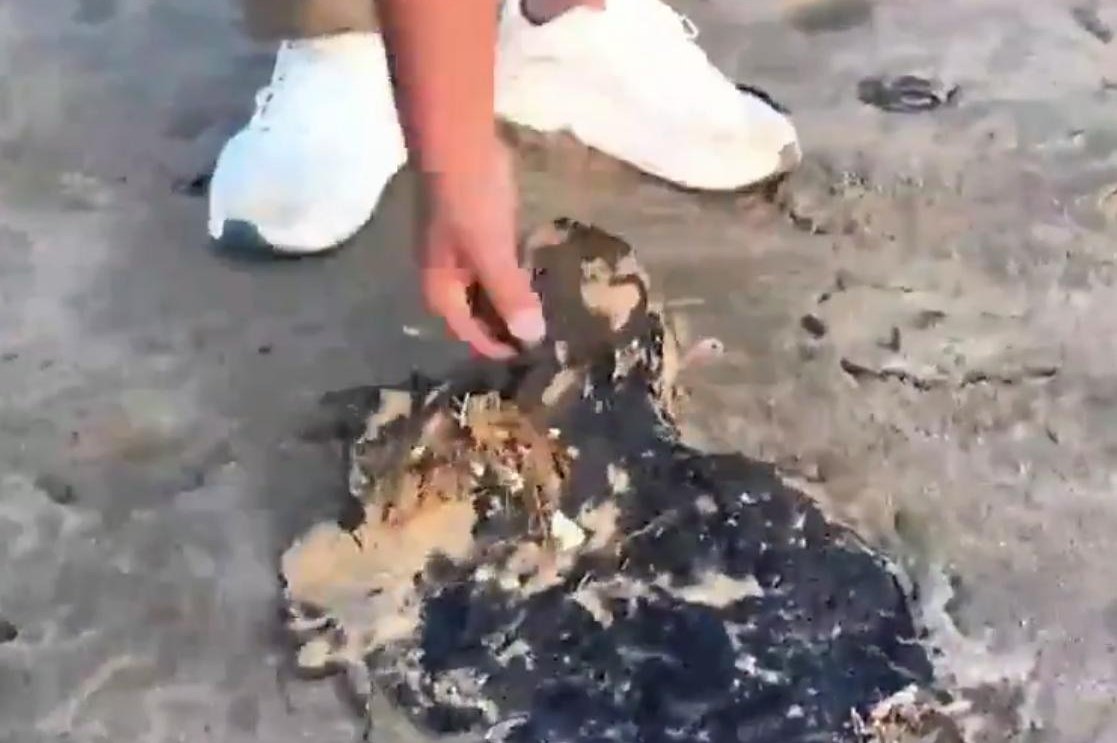
The oil has largely impacted the southern part of Veracruz state and the northern part of Tabasco state since early March, with dozens of contaminated sites still not receiving attention.
The spill has lasted nearly three weeks without an identified cause or confirmed responsible parties, affects the southwestern Gulf of Mexico reef corridor, a key ecological area that stretches along the coast between both states.
President Claudia Sheinbaum said the Office of the Attorney General is investigating, with support from environmental and energy agencies, while an interdisciplinary team analyzes the causel.
Sheinbaum stated that the spill originated from a private vessel, not state-owned oil company Pemex.
Veracruz Gov. Rocío Nahle said she will meet with officials from Petroleos Mexicanos to evaluate the installation of containment barriers in coastal areas following requests from fishermen.
Nahle said cleanup efforts are intensifying and that specialized mesh barriers are being installed at strategic points along the coastline to contain residues, with plans to expand the work depending on marine current movements.
“The opacity surrounding this spill generates impunity. Without clarity on those responsible, the causes and the impacts, it is impossible for authorities to be held accountable and guarantee reparations,” said Renata Terrazas, the group’s executive director.
According to citizen reports and local organizations, at least 51 sites with the presence of oil have been identified along the coastline, while more than two dozen have not yet received attention.
Reports also indicate impacts on key ecosystems. At least 14 marine species have died, including sea turtles, manatees and various species of fish, and thee has been damage to coral reefs and lagoon systems on which fishing communities depend.
Greenpeace Mexico released an interactive map with real-time reports on the expansion of the spill, including citizen records of thick residues and their impact on wildlife and coastal ecosystems.
However, Veracruz governor downplayed the impact, saying in interviews that it involves “traces” or small “drops” of oil on beaches and asserting that reports of dead wildlife were false — an assessment that contrasts with reports from communities and environmental organizations.
Oceana called on the government to establish “transparent, agile and binding” interagency coordination mechanisms and to adopt structural measures to prevent the Gulf from facing another environmental crisis without responsible parties or clear information.
“The Gulf of Mexico and its communities cannot continue to be treated as an environmental sacrifice zone,” Terrazas said.
About the Author