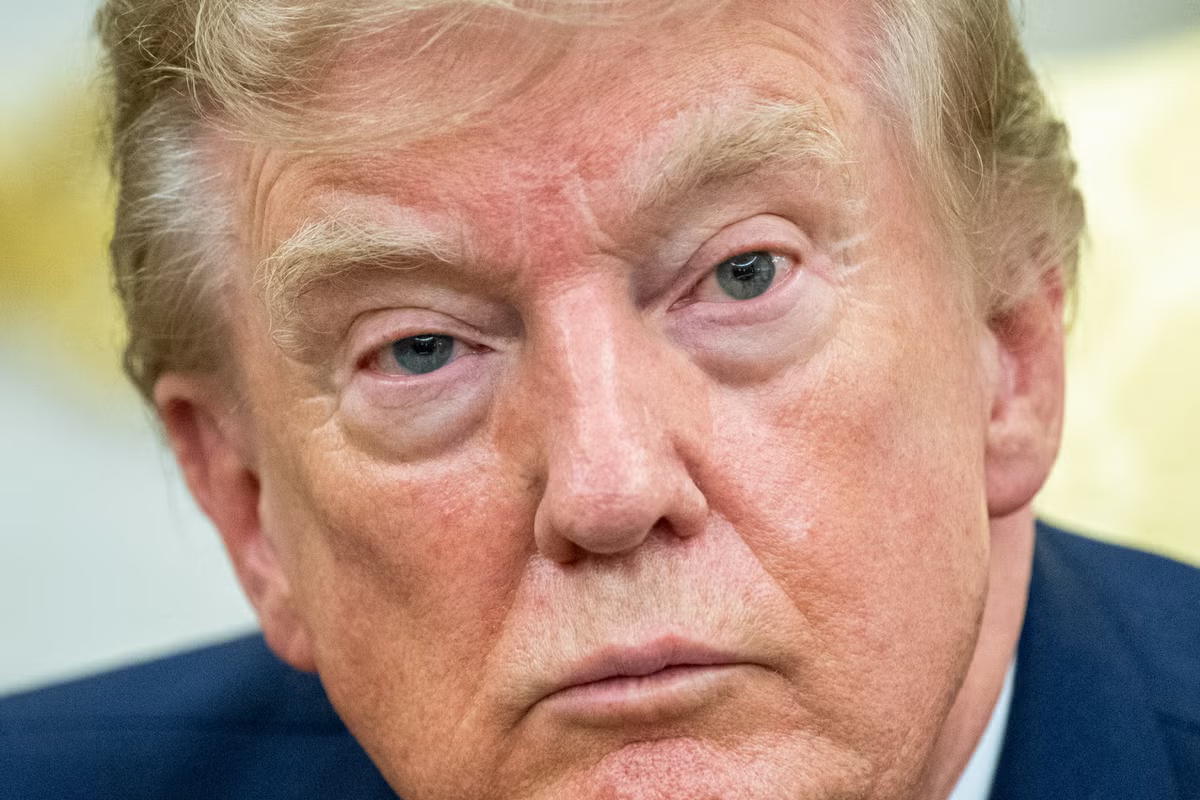
On Monday, President Donald Trump made yet another unprecedented and violent threat against a country in the Middle East.
But this time the target of his ire was unexpected. Oman, an American ally for almost 200 years, would be bombed “to s***” if it interfered with a potential US-Iran peace deal, Trump told a FOX News reporter.
It was not the first time that Trump had threatened Oman, previously warning the country in May to “behave” or face potential military action.
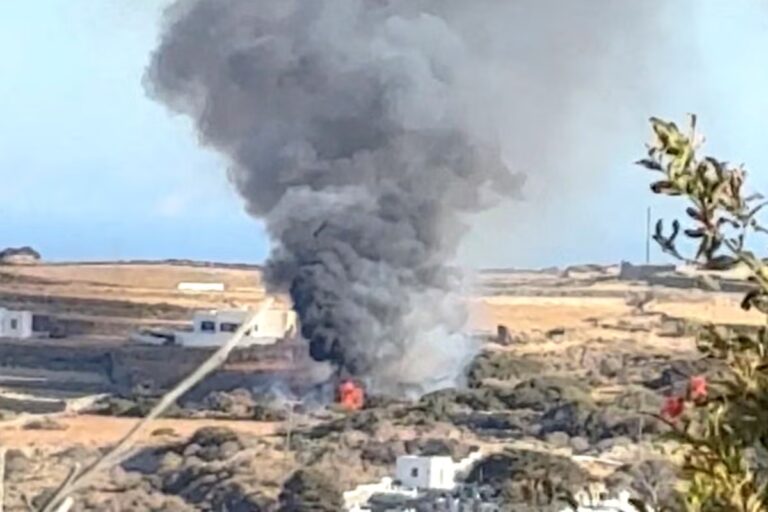
Throughout the US-Israeli war in Iran, Muscat has endured retaliatory strikes across its ports and energy infrastructure but has nevertheless taken part in negotiations towards a resolution.
The Strait of Hormuz runs between both countries and it therefore has a personal interest in progress.
But Trump, growing increasingly frustrated with deadlocked talks after a 60-day interim deal expired on Monday, lashed out at the US ally on Monday warning: “If Oman gets in the way, we’ll bomb the s**t out of them.”
Tehran says it has reached an agreement with Oman over a plan for ships to transit the Strait and that they are now working to finalise details for a joint statement.
How long have the US and Oman had relations?
Relations between the two countries can be traced back to 1833 with the signing of the Treaty of Amity and Commerce. Informal trade began even earlier, with American businesses using Omani ports as early as 1790.
Oman was the first Arab nation to recognise the United States after it declared independence in 1776, sending an envy to New York in 1840.
Since then they have enjoyed a collaborative political and trade relationship, which was strengthened by the Treaty of Amity, Economic Relations, and Consular Rights in 1958, the bilateral Free Trade Agreement in 2006 and the 2016 US-Oman Science and Technology Cooperation Agreement.
The free trade agreement in particular makes Oman one of only 20 countries with such a deal in place with the superpower, giving it access to reduced tariffs and easier exporting to the US leading to a doubling in trade by 2022. The US is the leading buyer of non-oil exports from Oman.
What is Oman’s ‘neutral’ position in the Middle East?
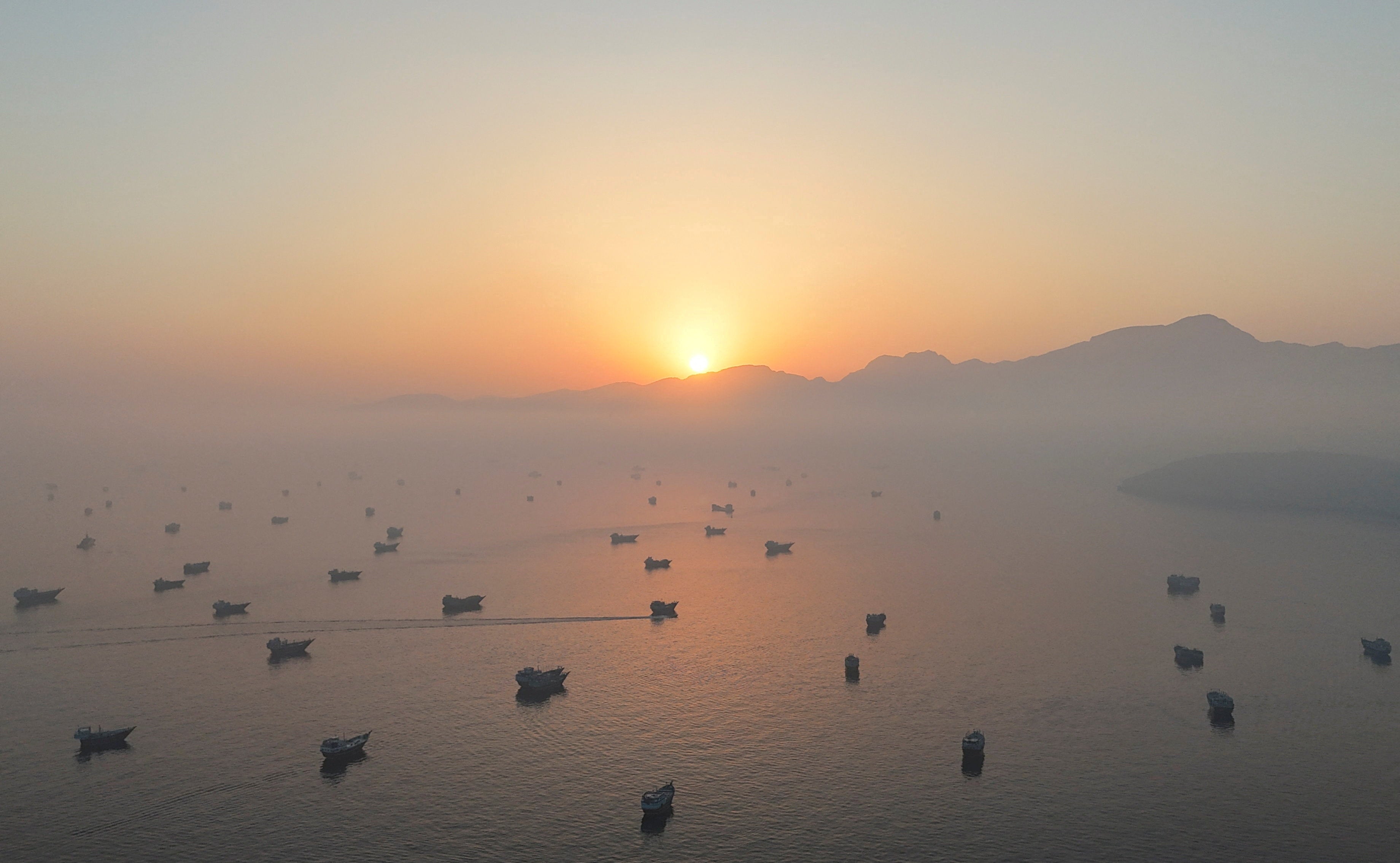
The Sultanate is a small country that prides itself on an understated diplomacy, drawing a likeness to Switzerland in Europe by maintaining a neutral position in a turbulent region.
Muscat opted out of a boycott of Qatar between 2017 and 2021, which was undertaken by Saudi Arabia, the United Arab Emirates and Bahrain.
Oman has no American military bases on its soil, although its ports are used by the US.
However, it made an unusual decision to publicly criticise US strikes on Iran earlier this year, with Omani foreign minister Sayyid Badr Albusaidi accusing the US of following Israel’s lead on the decision contrary to its own interests.
Albusaidi said Israel “explicitly seeks the overthrow of the Islamic Republic and probably cares little about how the country is governed.”
Despite Muscat’s close relationship with the US, it also holds a strong relationship with Iran with which it shares the Gulf of Oman.
How has the war in Iran affected their relationship?
Trump’s comments on Monday came as negotiations on Hormuz appeared to be close to a resolution. He threatened to “bomb the sh**t” out of the country. Oman is yet to respond to the statements.
In May he said “we’ll have to blow them up” if Oman didn’t “behave like everyone else”. At the time he reiterated that Oman and other nations should become signatories to the Abraham Accords, a U.S.-led treaty brokered during his first term encouraging the normalisation of diplomatic ties between Arab nations and Israel.
“Trump’s remarks are unlikely to fundamentally alter US-Oman ties, which are deep, multidimensional and institutionalised,” says Neil Quilliam an analyst at Chatham House.
“However, they will generate unease in Muscat (again), as they appear to challenge Oman’s longstanding role as a neutral mediator with Iran.”
He adds: “If Trump repeats these types of remarks, then it will be more difficult for Oman to act as a trusted diplomatic bridge between Washington and Tehran.”
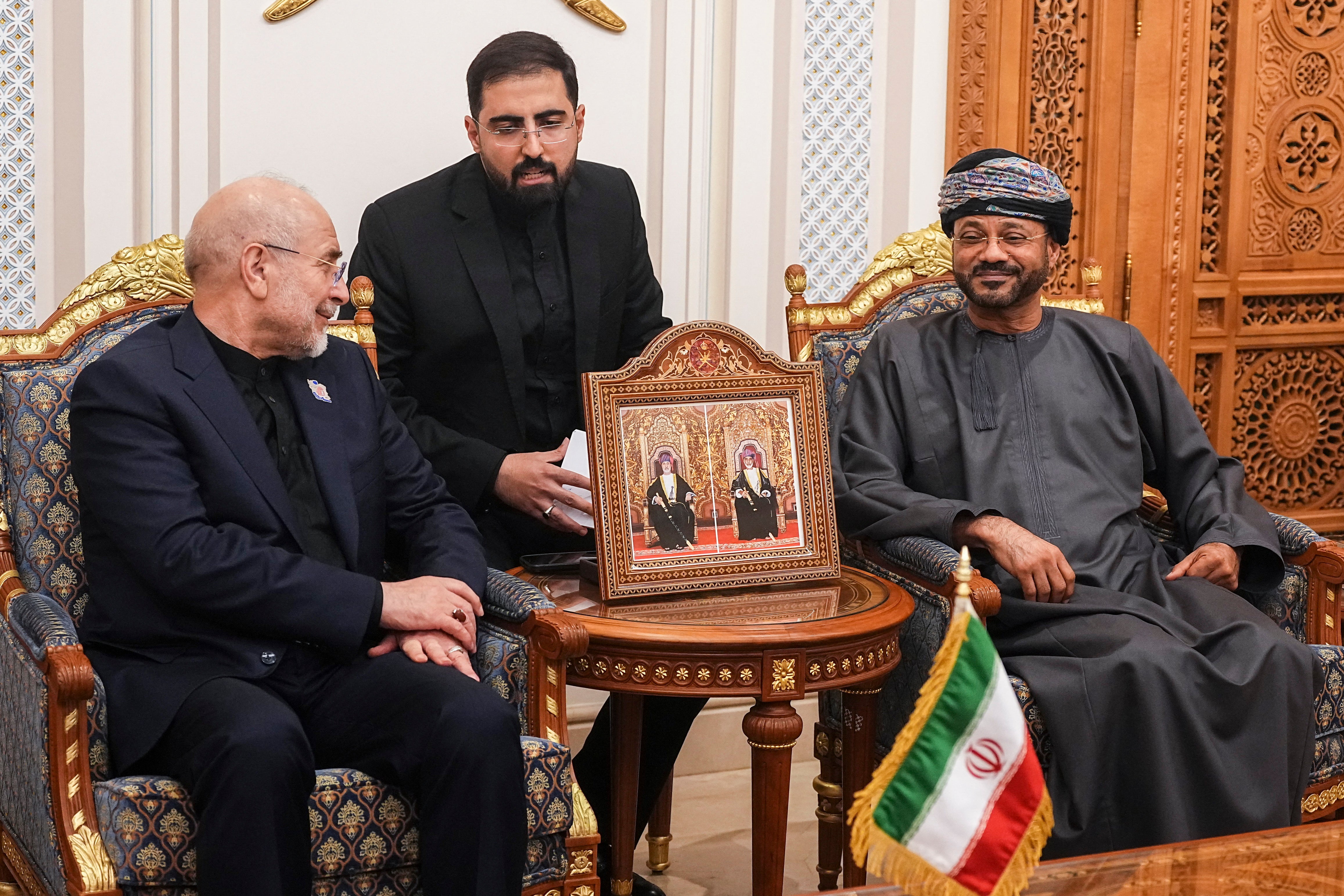
The Hormuz talks are not the first time that Oman has served as a mediator between Iran and the west. During the Joint Comprehensive Plan of Action (JCPOA) in 2015, Muscat played a key role in facilitating contact between Tehran and Washington.
Despite Iranian attacks on Oman not being as severe as other Gulf countries, it has faced damage to its ports in Duqm and Salalah, as well as industrial zones in Sohar and Bukha. The attacks have killed 16 people and injured 35 others.
However, in an article for The Economist, Albusaidi wrote that while Iran’s attacks were “deeply regrettable”, he reasoned it was “probably the only rational option available to the Iranian leadership.”
Iranian attacks on its ports have served as a deterrence for commercial vessels attempting to use the southern corridor, leading Oman’s leading logistics provider the Asyad group partnering with French shipping firm CMA CGM to develop a multipurpose logistics terminal at Sohar in the Gulf of Oman.
As the Strait of Hormuz remains largely shut following attacks, Iran and Oman have been engaged in discussions about management of the waterway, with reports suggesting that the idea of “voluntary fee” had been proposed despite Trump’s vehement opposition.
Iran acknowledged that there had been delays in coming to a resolution on Hormuz but said that the countries are very close to an agreement, which is in the process of being finalised.
About the Author