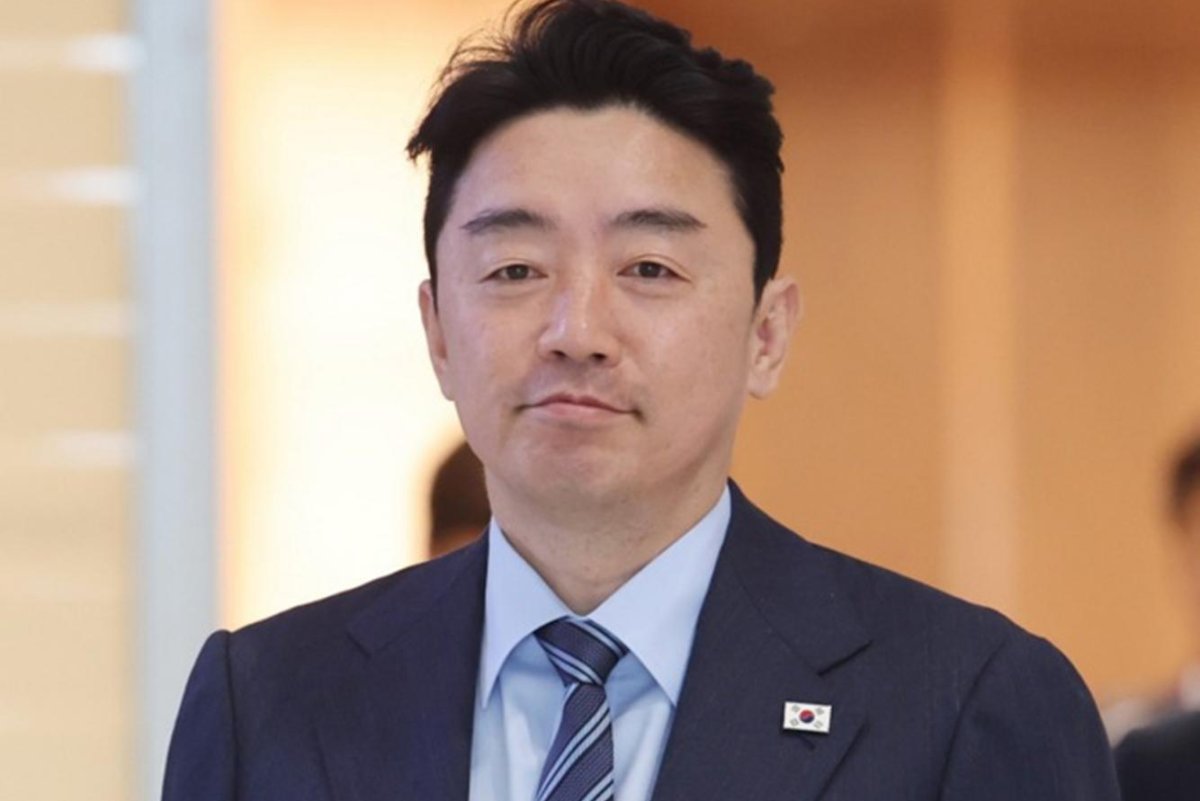
Kang Hoon-sik, President Lee Jae Myung’s chief of staff and a special envoy for strategic economic cooperation, arrives at Incheon International Airport in Incheon, South Korea, 24 February 2026, before departing for the United Arab Emirates. Photo by YONHAP / EPA
March 23 (Asia Today) — This commentary is the Asia Today Editor’s Op-Ed.
South Korea’s success in securing emergency crude oil supplies from the United Arab Emirates highlights the growing urgency of energy security as conflict in the Middle East disrupts global supply.
The war involving the United States, Israel and Iran has led Tehran to block the Strait of Hormuz and target oil facilities, raising concerns over supply disruptions. About 70% of South Korea’s crude imports pass through the strait, leaving the country highly vulnerable.
In response, President Lee Jae-myung dispatched Chief of Staff Kang Hoon-sik as a special envoy to the UAE. Despite ongoing drone attacks and disruptions at Dubai’s airport, Kang conducted intensive negotiations with Emirati officials.
South Korea secured commitments totaling 24 million barrels of crude oil – 6 million barrels in early March and an additional 18 million barrels in mid-March. The volume is more than eight times the country’s daily consumption and is expected to help stabilize supply during the crisis.
The UAE designated South Korea as its top priority for supply, an unusual move given competition from major economies such as China, Japan and European countries. Delivery timing remains uncertain due to disruptions in the Strait of Hormuz, but the priority status may accelerate shipments.
The editorial attributes the outcome to strong bilateral trust, including defense cooperation such as South Korea’s export of the Cheongung missile defense system, as well as the government’s swift diplomatic response.
The crisis underscores the need for broader structural changes in energy policy. The government’s plan to increase nuclear power generation from about 60% to 80% is presented as a step toward greater energy independence.
At the same time, the editorial urges diversification of crude import sources beyond the Middle East. Expanding imports from the United States, now the world’s largest oil producer, could reduce transport risks and shorten shipping times via Pacific routes.
In addition to economic benefits, increased energy imports from the United States could strengthen diplomatic leverage in bilateral relations.
The editorial concludes that South Korea must build on the UAE agreement to pursue long-term strategies, including nuclear expansion and diversified supply chains, to withstand future global energy shocks.
— Reported by Asia Today; translated by UPI
© Asia Today. Unauthorized reproduction or redistribution prohibited.
About the Author