A small amount of rain fell near Bordeaux in France on Thursday, raising hopes that that the Gironde wildfire that has burned an area larger than the US city of Detroit and destroyed 240 homes might soon be over.
The region’s fire service said it was “reasonably optimistic” given that the fire had not grown in size since the weekend.
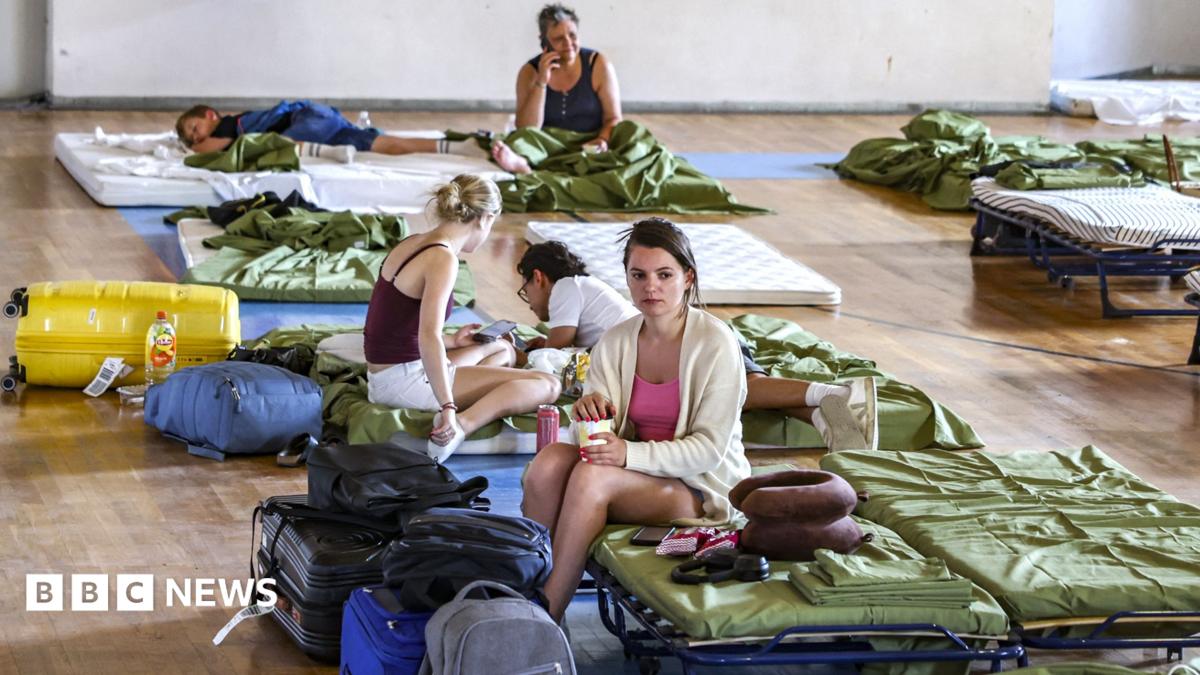
Around 84,000 of the 220,000 displaced residents were allowed to return home on Thursday, according to French reports.
It is estimated that more than 90,000 hectares of land across France have burnt this year – higher than any other year on record, according to data from the European Forest Fire Information Service.
In Spain, more than 200,000 hectares have burnt in 2026 – roughly five times above the average for the time of year. The area of land ravaged in Portugal is also higher than usual for this point in July.
The European fire season typically extends into August and September – and with more hot weather on the way in the coming days, these figures are likely to keep rising.
Most wildfires are started by humans, whether deliberately or accidentally, but climate change is strengthening weather conditions conducive to fires spreading.
Last winter was mild and wet, encouraging vegetation growth, which has then dried out in successive heatwaves, generating tinder-dry fuel for wildfires.
Some researchers have also warned that the Mediterranean’s forests and scrublands are not being properly managed – leaving plenty of vegetation as fuel for fires.
Forecasters say fire-prone conditions are expected to spread towards central Europe, with Greece and Turkey among the countries worst affected.
In Turkey, hundreds of homes have also been evacuated but the majority of fires that have broken out mainly in the south have been brought under control, authorities say.
Are you in an affected region? If it’s safe to do so, get in touch here.
You can also get in touch in the following ways:
Email: yourvoice@bbc.co.uk
WhatsApp: +44 7756 165803
About the Author