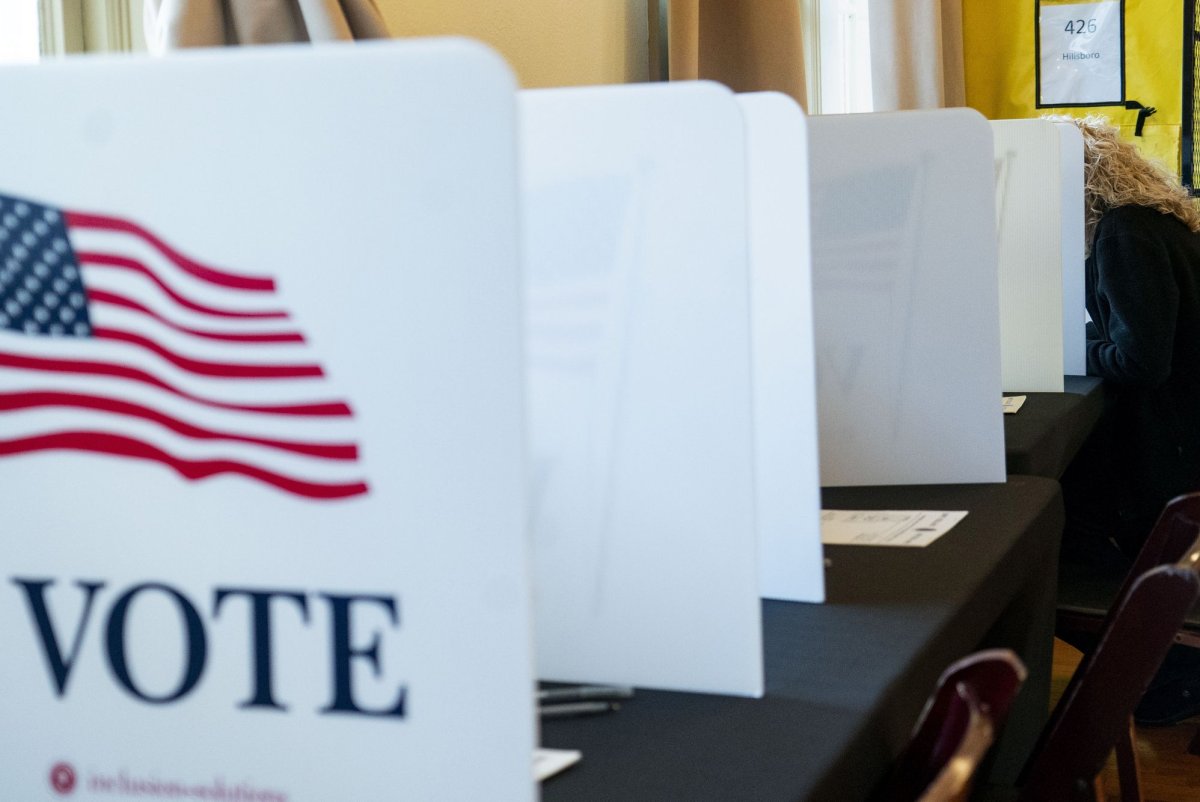
July 25 (UPI) — A federal appeals court ruled that the Trump administration cannot implement tighter rules for mail-in voting in the mid-term elections this November.
The ruling, handed down by the First U.S. Circuit of Appeals on Saturday, will prevent his administration from creating a list of eligible voters and from requiring the U.S. Postal Service to refuse to deliver ballots to people who are not on the list, The Hill and Bloomberg News reported.
The three-judge panel rejected the administration’s appeal of lower court rulings in late June and early July that an executive order issued in April to expand the federal government’s role in managing elections could not be put into effect.
The April 1 executive order was condemned by critics at the time as an attempt by President Donald Trump and the administration to interfere with the mid-term elections, and led to 23 states and the District of Columbia to file suit to stop it.
The appeals court said in its ruling that the federal government failed to make its case for lifting the federal government’s injunction, which was partially based on the lower court preventing the executive order from going into effect.
“To be sure, the injunction prevents the federal Defendants from enforcing the EO in the Plaintiff states’ upcoming primary and general federal elections in September and November,” the judges wrote.
Trump, who continues to falsely claim that he won the 2020 election, signed the order under the guise of election integrity based on his also false claims of widespread voter fraud.
The fraud allegations center on ineligible people casting mail-in ballots, of which Trump and his administration have not shown happened in significant numbers during the 2020 election.
The order directs the Department of Homeland Security to build a state citizenship list based on federal date, to send the lists to state elections officials to verify mail-in ballots go to eligible voters and for the USPS not to send out absentee or mail-in ballots to people who do not appear on the lists.
About the Author