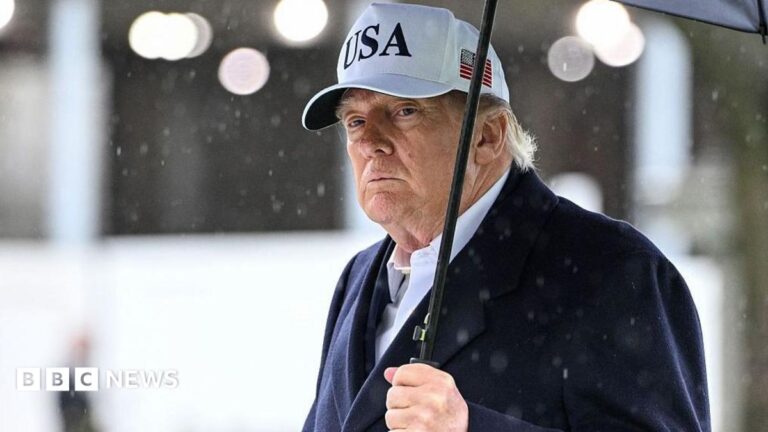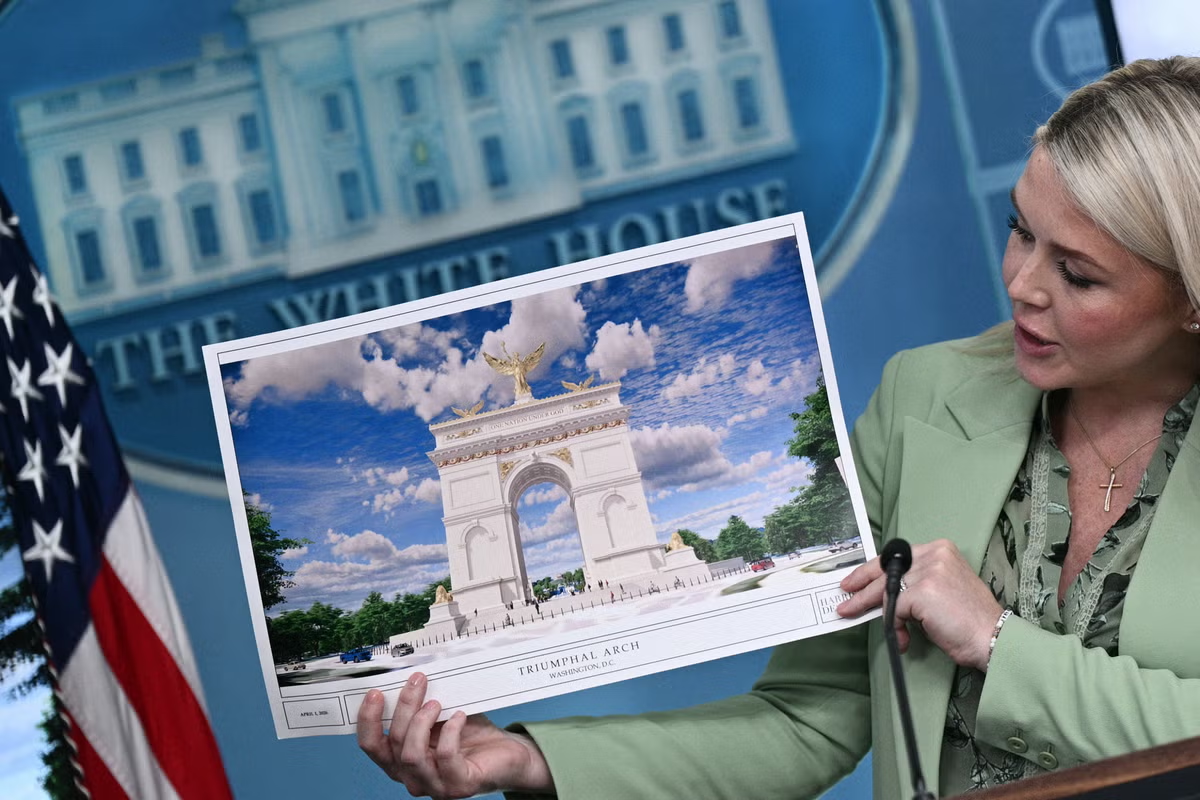
An independent federal agency packed with Donald Trump appointees has been looking to bypass long-standing federal regulations to speed up construction of the president’s Triumphal Arch in Washington, D.C.
The 250-foot arch would sit at the end of the Arlington Memorial Bridge, across from the Lincoln Memorial. The massive granite structure would be topped with a golden winged figure flanked by two gilded eagles.
Trump has been attempting to leave his mark on D.C. before his second term ends through several rushed projects, including an expensive White House ballroom and a renovation of the Lincoln Memorial Reflecting Pool that turned green from algae shortly after it was complete.
The president hopes to finish his arch in a few short years, and The Atlantic reported Sunday that the Advisory Council on Historic Preservation might make changes to a requirement known as Section 106 to do it.
The preservation council will consider a vote to revise the rules governing Section 106, according to a July 17 email and draft amendments obtained by the publication.
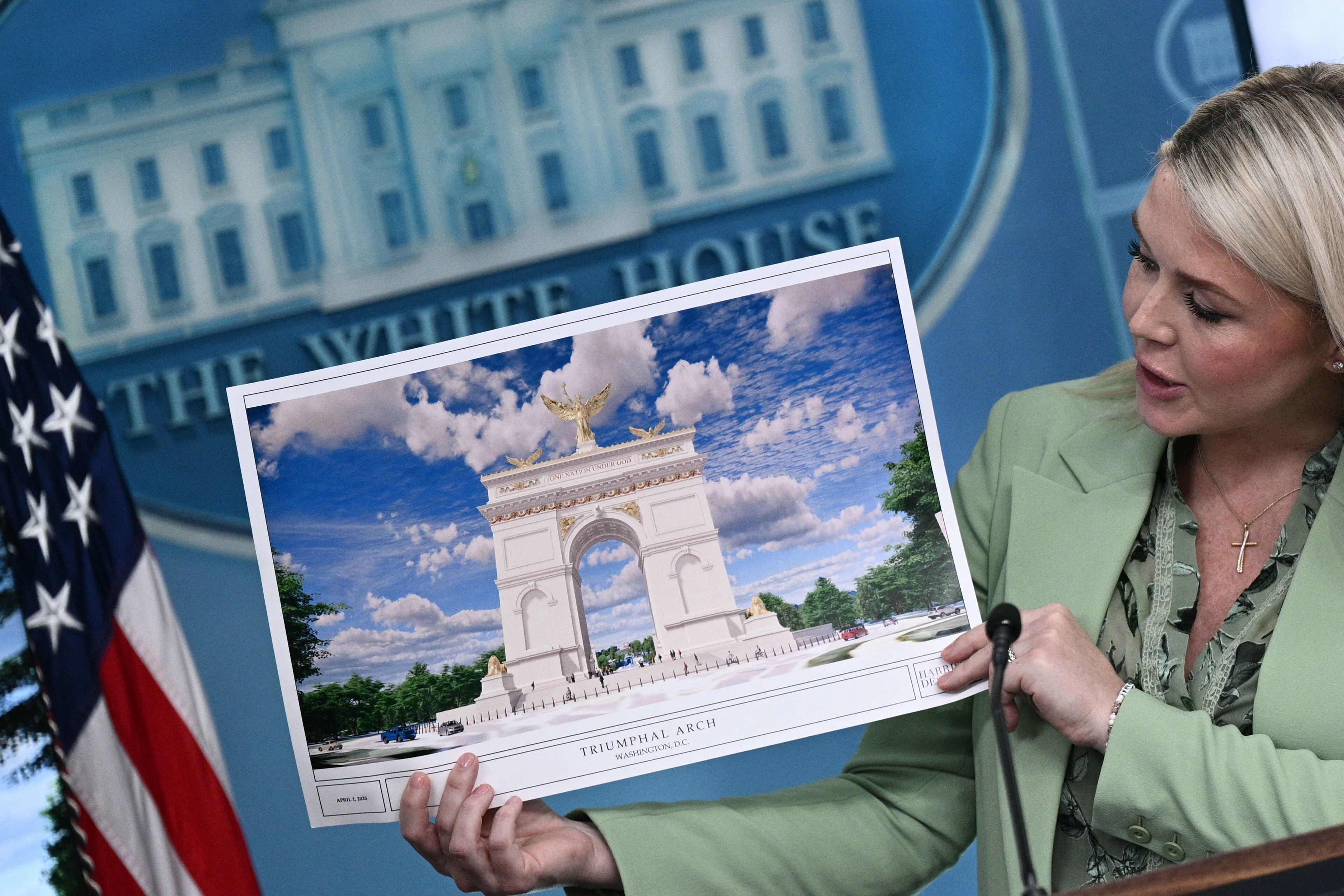
“If adopted, the proposal would give federal agencies broader discretion over preservation reviews, prioritize mitigation over avoiding harm to historic places, and scale back long-standing expectations that officials consider alternative designs or locations before moving forward with building projects,” The Atlantic’s Janay Kingsberry writes.
In the Friday email, Travis Voyles, the vice chair of the council, instructed members to vote on the proposed changes by this Friday. At least seven of the 24 members were appointed by Trump.
A White House official told The Atlantic that the Trump administration “has and will follow all legal requirements in constructing the Triumphal Arch.”
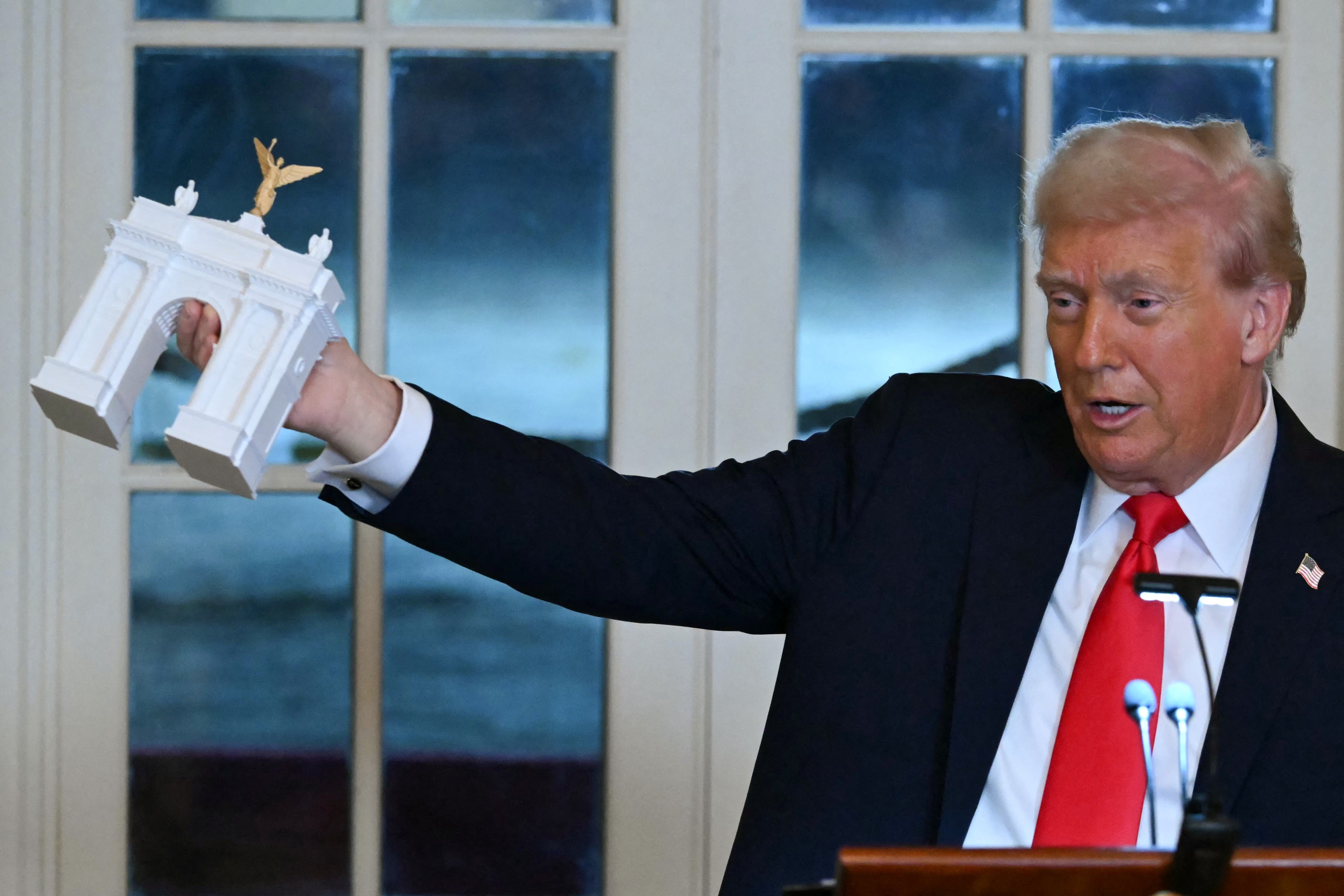
The Independent has reached out to the White House and the Advisory Council on Historic Preservation for comment.
If given the green light to break ground, there will be 20-hour workdays to build Trump’s arch over two to three years, CBS News reported last month, citing federal documents.
The arch is also expected to cost a pretty penny, with an estimated $100 million price tag, according to an Axios report from November.
Earlier this month, the National Capital Planning Commission, chaired by Trump appointee William Scharf, voted to advance the president’s arch project, The Washington Post reported at the time.
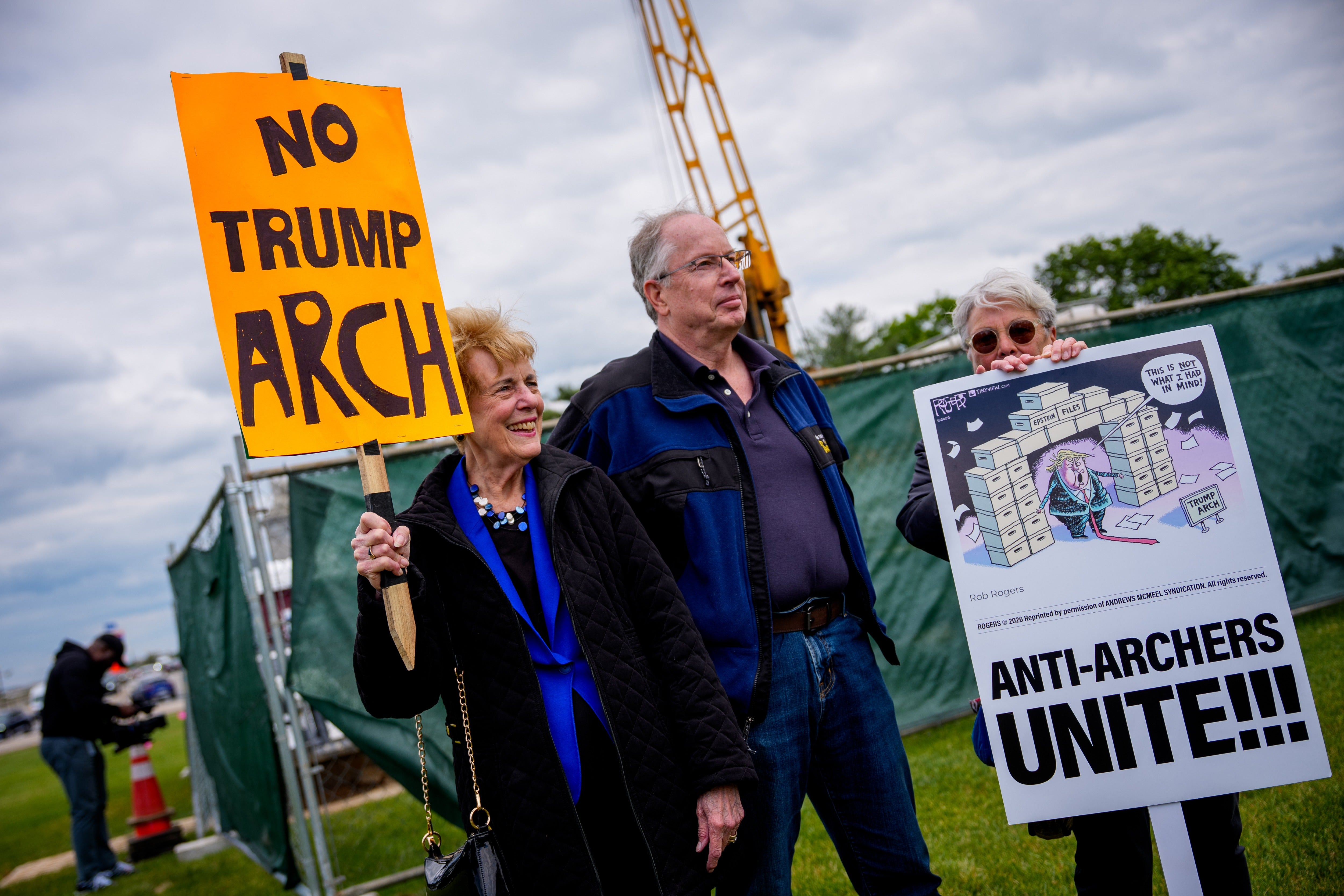
The vote brings Trump one step closer to building his arch, even as he rejects the need for congressional approval.
“We don’t need anything from Congress,” the president told reporters in May.
Three Vietnam War veterans sued Trump in February to stop the arch’s construction, claiming the president did not seek proper approval for it.
Meanwhile, 52 percent of Americans voiced opposition to the arch, compared with 21 percent who favored it in a Washington Post/ABC News/Ispsos poll from April.
About the Author