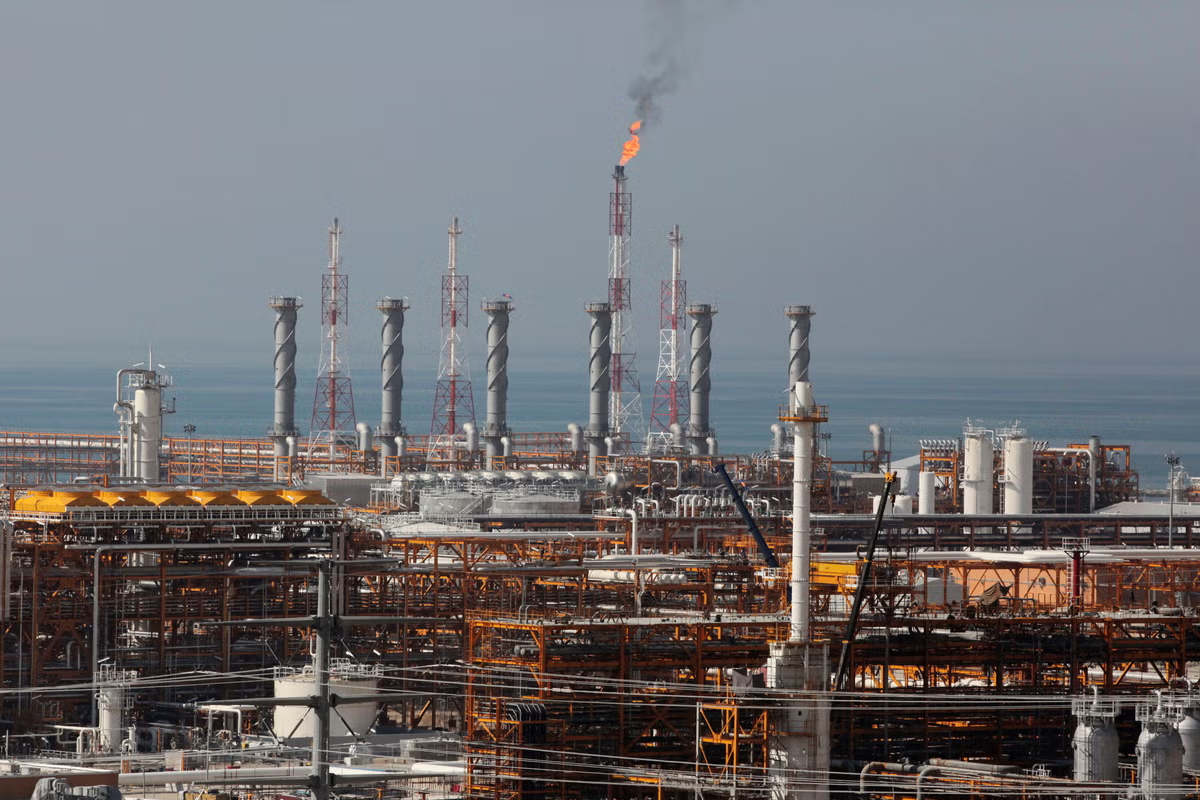
Energy sites across the Gulf have been forced to evacuate after Iran warned it would launch strikes on the facilities imminently, sending the price of oil soaring and threatening a fresh crisis in the markets.
Tehran urged staff working at sites in Saudi Arabia, the United Arab Emirates and Qatar to leave ahead of airstrikes “in the coming hours”, in an escalation that would further cripple global gas and energy supplies in the third week of the US-Israeli war on Iran.
The price of Brent crude surged by 5 per cent following the announcement, reaching $108 a barrel.
The warning, reported by Iranian state media on Wednesday, declared: “These centres have become direct and legitimate targets and will be targeted in the coming hours.
“Therefore, all citizens, residents and employees are requested to immediately leave these areas and move to a safe distance without any delay.”
Citi, the Wall Street bank, said Brent crude could hit $200 a barrel if Tehran conducts “broad energy infrastructure attacks”. Fears of another oil price surge prompted stocks to fall on Wednesday, with the Dow Jones down 0.9 per cent and S&P down 0.5 per cent.
Iran issued the notice to Saudi Arabia’s Samref Refinery and Jubail Petrochemical Complex, the United Arab Emirates’ Al Hosn Gas Field, and Qatar’s Mesaieed Petrochemical Complex, Mesaieed Holding Company and Ras Laffan Refinery.
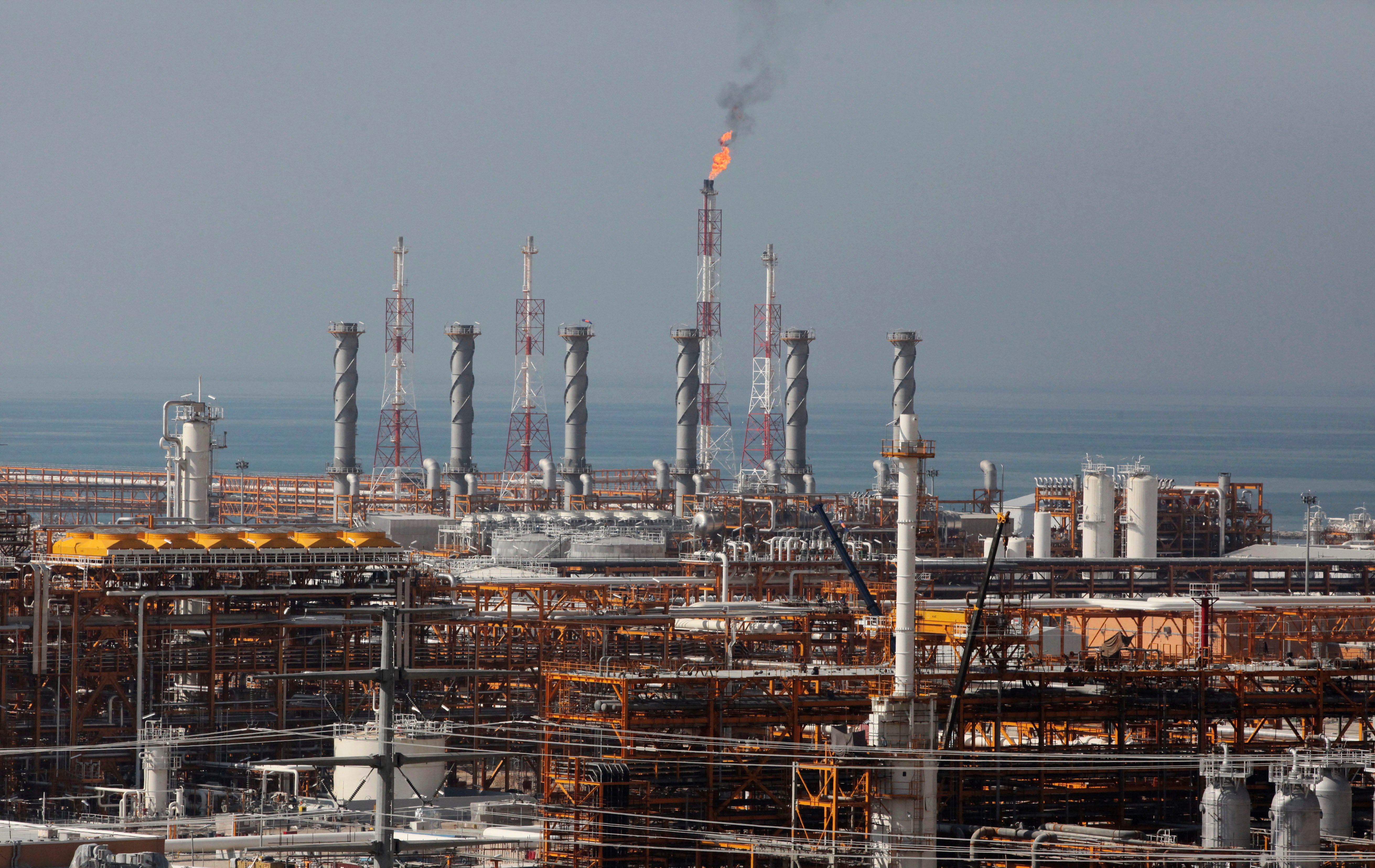
The threat appeared to be a retaliation for the alleged Israeli bombing of Iranian energy facilities in South Pars and Asaluyeh on Wednesday morning, the first such attack since the war began last month. Qatar and Iran said Israel was responsible for the attack. The IDF has not commented on the reports.
Pars contains the Iranian section of the world’s largest natural gas deposit, which it shares with Qatar across the Gulf. Iran’s Fars news agency reported that gas tanks and parts of a refinery had been hit, with workers evacuated to a safe location while emergency crews attempted to put out a fire.
Dr Majed al-Ansari, a spokesperson for the Foreign Ministry of Qatar, said in a post on X that the targeting of the South Pars field was a “dangerous & irresponsible step amid the current military escalation in the region”.
He added: “Targeting energy infrastructure constitutes a threat to global energy security, as well as to the peoples of the region & its environment. We reiterate, as we have repeatedly emphasised, the necessity of avoiding the targeting of vital facilities.”
The US and Israel have previously held back from targeting Iran’s energy production facilities in the Gulf, over fears that such a move could invite retaliation and make it harder for global markets to recover from a seismic shock to energy supplies.
Global oil prices surged after Iran closed the Strait of Hormuz last month, a key waterway through which around a fifth of the world’s oil passes. US president Donald Trump pledged to open the route using American military, before backtracking and telling Washington’s allies to provide support.
In other developments, Iranian president Masoud Pezeshkian confirmed the death of yet another top official in the country, intelligence minister Esmail Khatib.
His death came hours after funerals were held for national security chief Ali Larijani and Basij paramilitary force commander Gholamreza Soleimani, who were killed in Israeli strikes on Tuesday.
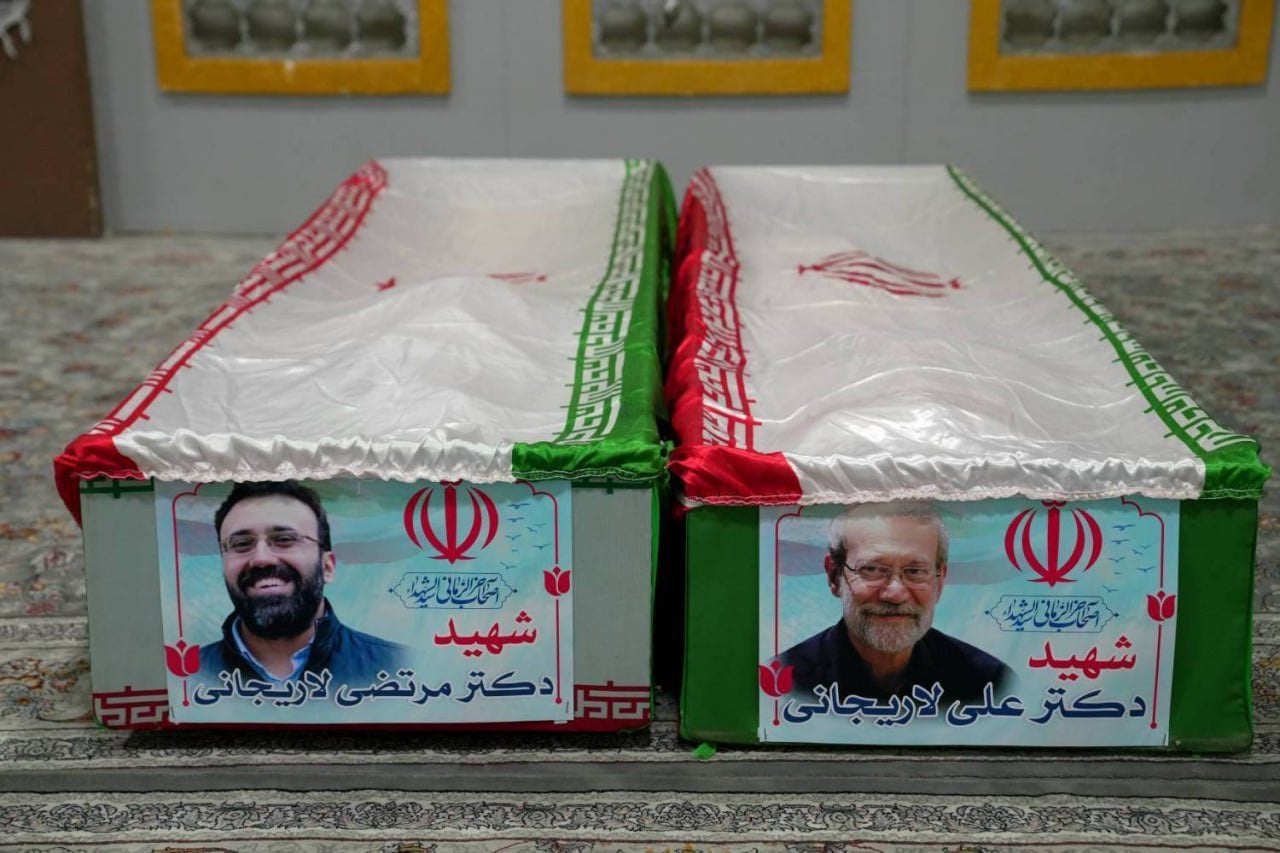
Larijani is the most high-profile Iranian official to be assassinated since the death of supreme leader Ayatollah Ali Khamenei at the start of the war.
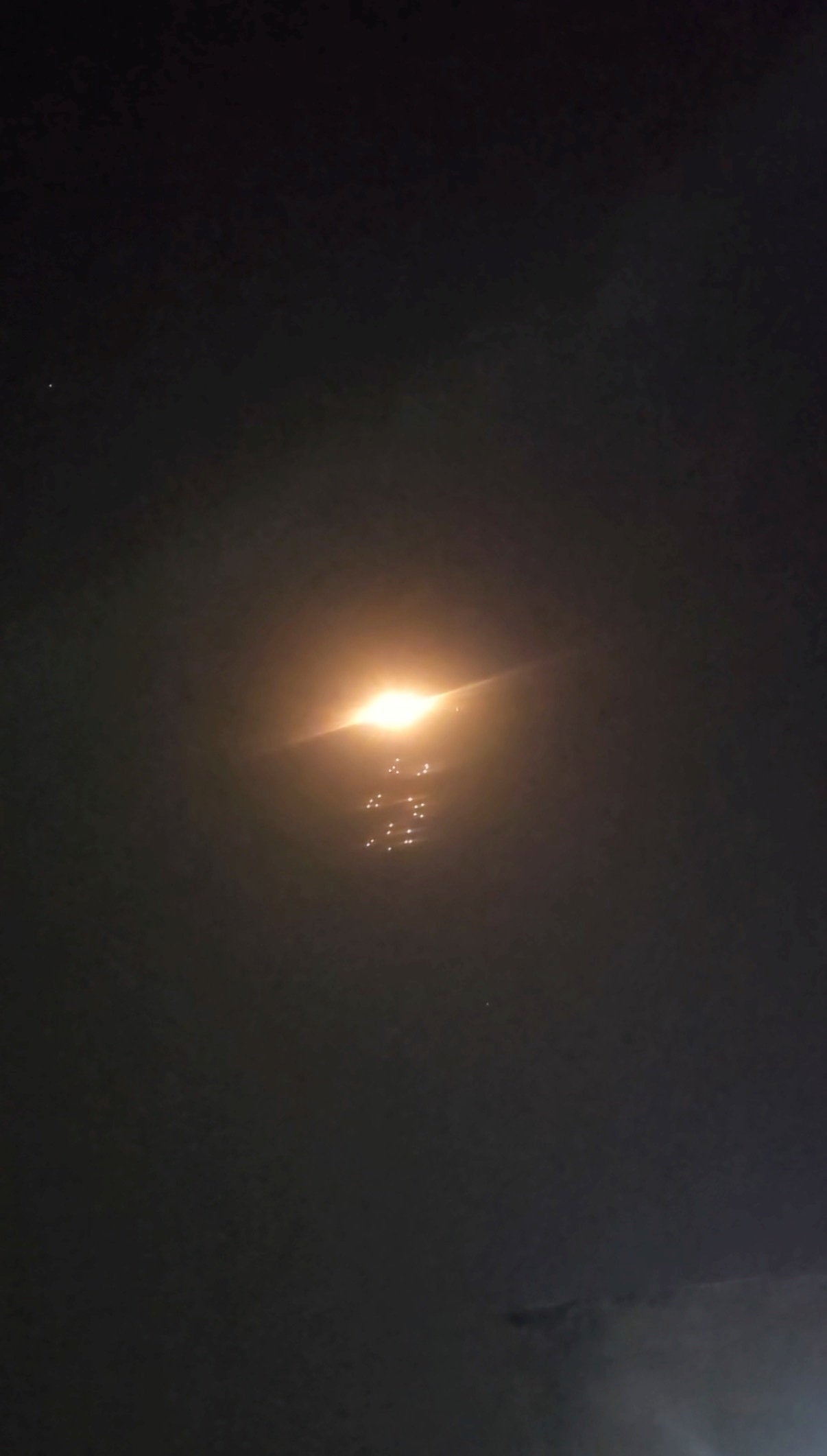
In retaliation for the killing of Larijani, Iran targeted Tel Aviv with missiles carrying cluster warheads in an overnight attack. The munitions, which disperse into multiple smaller explosives mid-air and spread over a wide area, making them difficult to intercept, are illegal in more than 110 countries. However, neither Iran nor Israel is a signatory to the Convention on Cluster Munitions.
The overnight attack killed two people in a neighbourhood close to the densely populated city, near key military facilities. It brought Israel’s war death toll up to 14.
About the Author