Argentina’s dramatic 3-2 victory over Egypt in the FIFA World Cup Round of 16 has sparked a wave of conspiracy theories online, with some fans and pundits alleging that FIFA is favouring the defending champions.
The debate has intensified after several controversial refereeing decisions, comments from FIFA president Gianni Infantino and ongoing scrutiny surrounding the tournament. However, it’s important to note that, as of now, there is no evidence proving that FIFA has manipulated matches or the tournament in Argentina’s favour.
Here’s why the controversy has exploded.
1. The Argentina vs Egypt refereeing controversy
The biggest trigger came during Argentina’s Round of 16 win over Egypt.
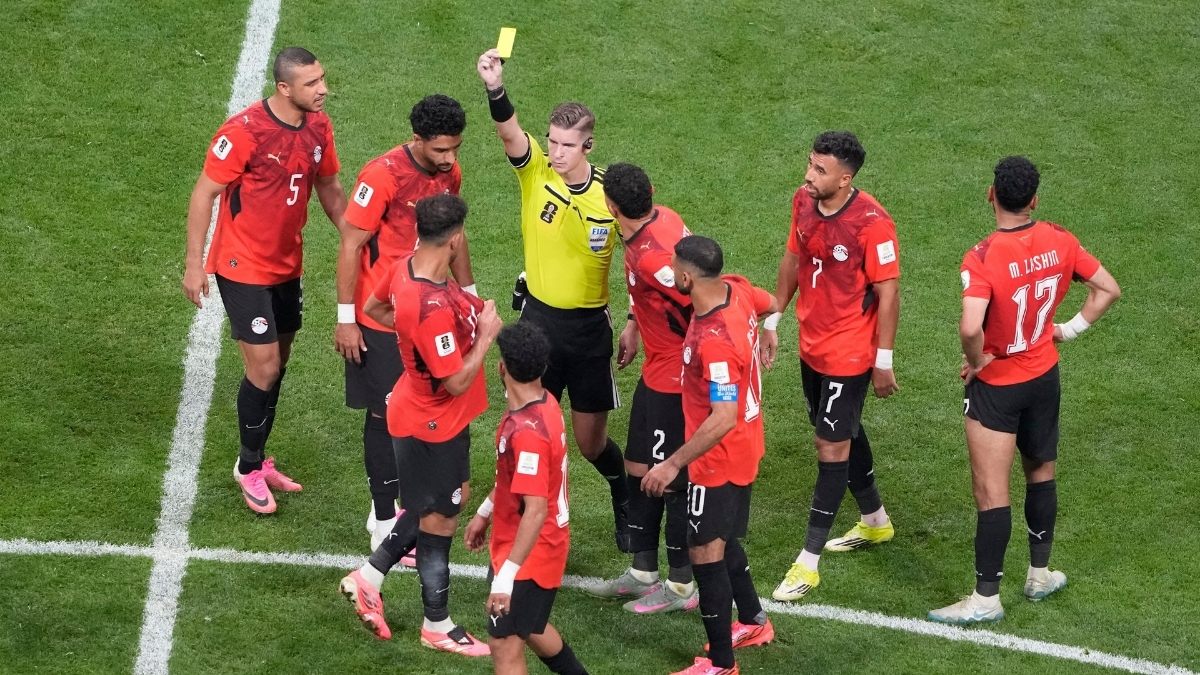
Egypt felt they were denied a legitimate goal after Mostafa Zico’s strike was ruled out following a VAR review, while Enzo Fernández’s late winner was allowed to stand despite protests over a possible foul in the build-up.
Following the defeat, the Egyptian Football Association formally complained to FIFA, requesting an investigation into referee François Letexier’s performance and asking for the French official to be removed from the remainder of the tournament.
Egypt coach Hossam Hassan also criticised the officiating, while several players suggested the referee played a decisive role in their elimination.
2. Lionel Messi escaping a red card
The controversy actually began in Argentina’s opening game against Algeria.
Messi appeared to rake his studs down defender Aïssa Mandi’s calf, but referee Szymon Marciniak neither awarded a foul nor showed a card, while VAR chose not to intervene.
Several pundits argued it was worthy of a straight red card.
The incident later drew comparisons with Folarin Balogun’s dismissal for the United States, which ultimately became another major World Cup controversy.
3. Argentina’s disciplinary record
Another statistic widely shared online relates to yellow cards.
Argentina have received remarkably few bookings despite committing a relatively high number of fouls.
Among the World Cup quarter-finalists:
- Argentina receive one card roughly every 22 fouls.
- England receive one every seven fouls.
- Norway are the only team with a higher fouls-per-card ratio.
- Argentina also went through their first five matches without receiving a single red card, while several opponents accumulated multiple bookings against them.
Supporters of the conspiracy theory argue this suggests inconsistent refereeing, although disciplinary statistics alone do not prove bias, as cards remain subjective decisions based on the nature of each foul.
4. Gianni Infantino’s comments
FIFA president Gianni Infantino also attracted criticism after Argentina’s Round of 32 victory.
Speaking to Argentine television, Infantino said he had “suffered” during Argentina’s match before quickly clarifying that he meant neutrals who were enjoying the contest.
Critics viewed the comment as inappropriate given FIFA’s expectation of neutrality, although Infantino later clarified his remarks.
5. The Balogun controversy fuels wider distrust
The tournament was already under intense scrutiny after the suspension of United States striker Folarin Balogun was overturned.
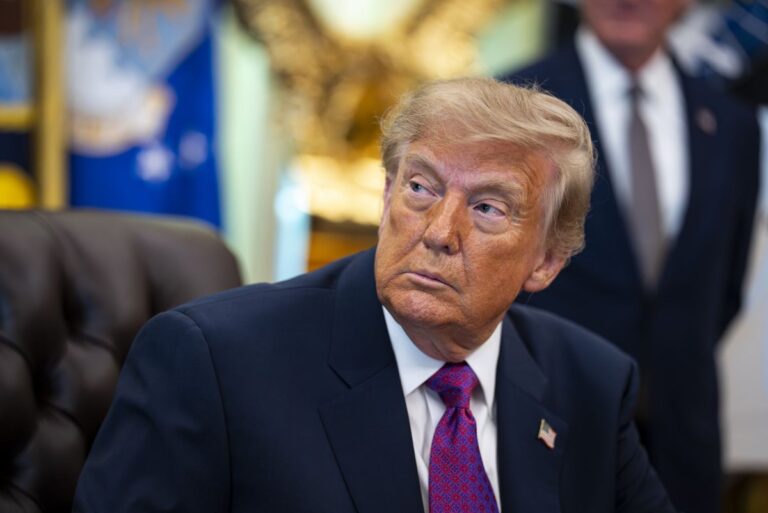
US President Donald Trump acknowledged speaking to Infantino after Balogun’s red card, and FIFA subsequently used an unprecedented disciplinary mechanism to suspend the automatic one-match ban.
That decision has triggered criticism from UEFA officials, members of the European Parliament and several football federations, leading many fans to question FIFA’s independence.
Although unrelated to Argentina directly, it has increased public scepticism about tournament governance.
6. Questions over the World Cup draw
Some fans also argue Argentina benefited from the tournament draw.
As defending champions, Argentina were seeded and avoided several heavyweight nations until the latter stages, leading to claims they received a comparatively favourable route to the quarter-finals.
However, FIFA’s seeding system was announced months before the draw and applied predetermined rules to all qualified teams.
7. Historical accusations have resurfaced
The current debate has also revived older allegations surrounding Argentina.
Critics have pointed to:
- The controversial 1978 World Cup hosted by Argentina, where Peru’s 6-0 defeat has long been the subject of unproven corruption allegations.
- Louis van Gaal’s suggestion after the 2022 World Cup that Messi was “meant” to become world champion.
- Brazil’s longstanding claims surrounding Argentina’s infamous “water bottle” incident during the 1990 World Cup.
- None of those incidents resulted in conclusive evidence proving FIFA manipulated tournaments.
Is there any evidence the 2026 World Cup is fixed?
Despite the volume of claims circulating online, there is currently no verified evidence that FIFA has fixed matches or is deliberately helping Argentina retain the World Cup.
What is factual is that:
- Egypt has officially lodged a complaint over refereeing.
- Belgium has challenged Folarin Balogun’s eligibility following FIFA’s disciplinary decision.
- Members of the European Parliament are pushing for an investigation into FIFA president Gianni Infantino over the Balogun controversy.
- The FBI and US Department of Justice are separately investigating the Argentine Football Association over alleged financial irregularities in the United States. That investigation is unrelated to on-field officiating.
Taken together, those separate controversies have created an atmosphere of mistrust around the tournament. While that has fuelled conspiracy theories about Argentina’s World Cup campaign, those claims remain allegations rather than established fact.
Story first published: Friday, July 10, 2026, 14:30 [IST]
About the Author