Oil prices jumped more than 2 per cent and most Asian and European shares fell after the US conducted fresh strikes on Iran, escalating tensions in the vital Strait of Hormuz waterway.
Brent crude, the international standard, jumped 2.2 per cent to $75.80 per barrel while US benchmark crude added 2.1 per cent to $71.94 a barrel. Both had declined recently to around where they were at before the US-Israeli war against Iran began in late February.
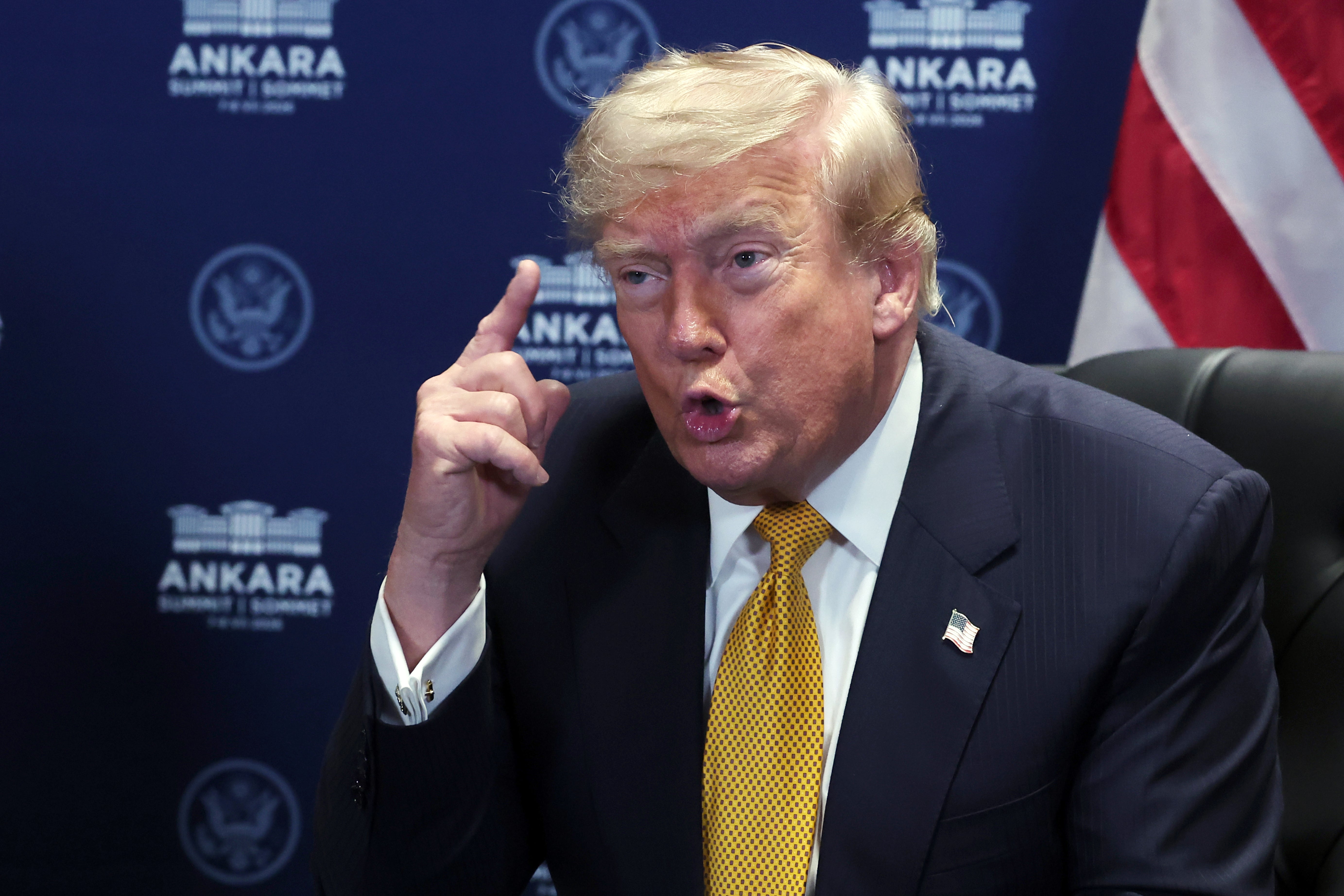
US president Donald Trump said on Wednesday that the memorandum of understanding signed with Iran last month to help resolve the conflict was “over”. He said he did not want to engage with Tehran, calling the Iranian leadership “sick people”.
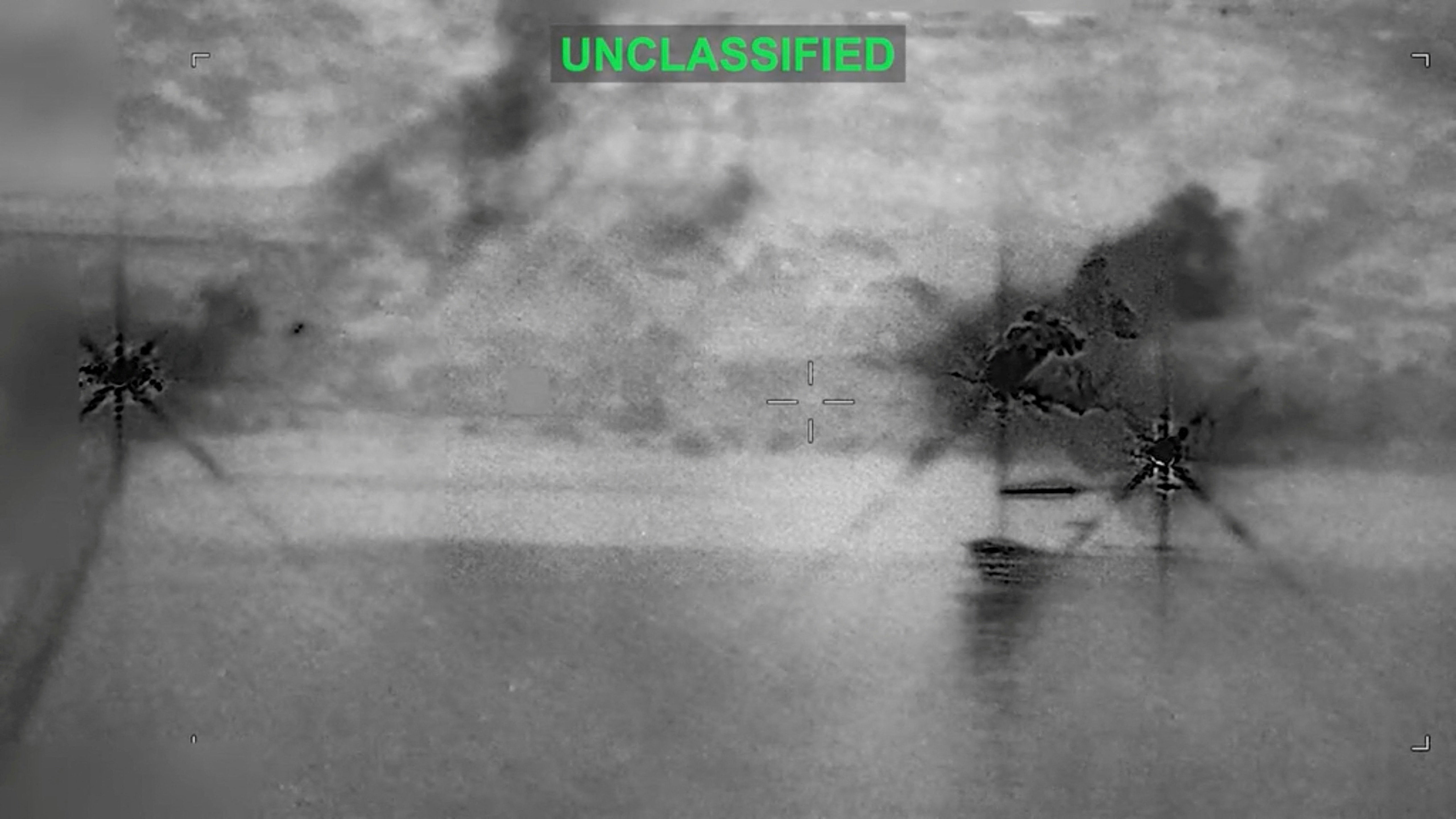
Earlier, the US military claimed it had launched fresh strikes after Iran attacked three ships in the strait. Tehran had not claimed responsibility for the attacks on the ships.
Iranian state media said the latest US strikes targeted Qeshm Island, Bandar Abbas and Sirik.
Iran retaliated by targeting American military installations in Bahrain and Kuwait.
Parliamentary speaker and chief negotiator Mohammad Ghalibaf accused the US of committing “major” violations of the agreement signed last month.He said the US had violated “Iranian adjustments in the strait”, continually threatened to attack Iran and reinstated oil sanctions.
“The era of bullying and extortion is over. It leads nowhere. We don’t fold,” he said in a post on X.
The renewed fighting deepened uncertainty over crude supplies from the Middle East, pushing up prices which had fallen from their peak of well above $100 during the war.
This coincides with growing worries that the craze for AI-related stocks is pushing prices beyond the productivity gains and profits likely to result from massive investments in computer chip production capacity and data centres.
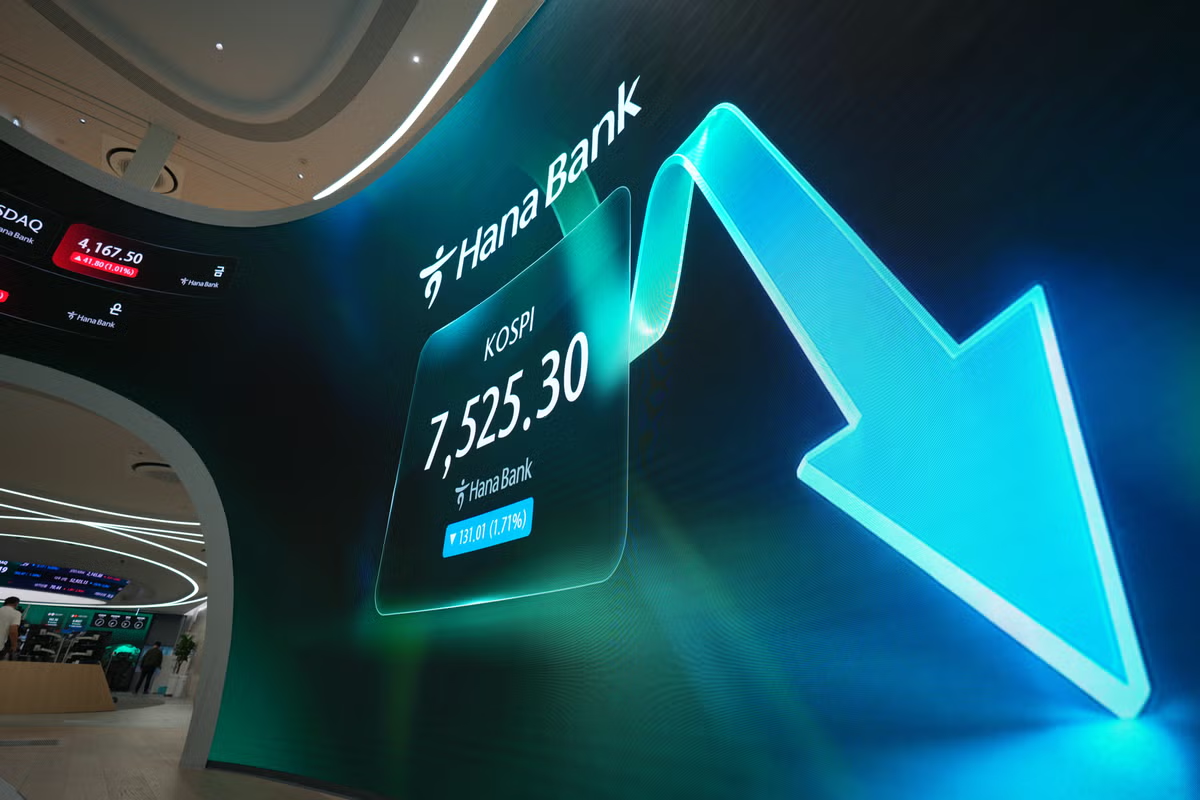
In early trading, Tokyo’s Nikkei 225 lost 2.1 per cent to 66,819.05, while South Korea’s Kospi shed 5.4 per cent to 7,246.79.
The South Korean index had soared and then fallen back, briefly surpassing the 9,000-mark last month before succumbing to bouts of heavy selling of big AI-related tech shares like Samsung Electronics and SK Hynix.
Samsung fell 6.3 per cent early Wednesday after dropping about 7 per cent the day before. SK Hynix shed early gains to drop 5.7 per cent.
The UK’s FTSE 100 index fell around 1.2 per cent to 10,532 points in morning trading.

Taiwan’s Taiex lost 0.6 per cent. US futures were little changed.
In Hong Kong, the Hang Seng rose 3 per cent to 24,193.56. The Shanghai Composite index declined 0.5 per cent to 3,970.88.
In Europe, Germany’s DAX shed 1.1 per cent to 25,191.69 and the CAC 40 in Paris gave up 0.9 per cent to 8,358.67. Britain’s FTSE 100 slid 0.8 per cent to 10,579.09. The future for the S&P 500 edged 0.1 per cent lower and that for the Dow Jones Industrial Average was down 0.4 per cent.
The AI boom in shares appears to largely bypass Chinese markets, but investors appear to be focusing on domestic efforts to build out the country’s own AI capacities.
Tech shares led Wednesday’s rally, with Tencent Holdings gaining 3.1 per cent while e-commerce and financial giant Alibaba Group Holding jumped 8.1 per cent. Baidu advanced 4.7 per cent.
Elsewhere in Asia, Australia’s S&P/ASX 200 shed 0.2 per cent to 8,785.10, while India’s Sensex lost 0.7 per cent.
On Tuesday, the roller-coaster ride for AI stocks whipped back down, dragging Wall Street lower.
The S&P 500 fell 0.4 per cent to 7,503.85, although the majority of stocks within the index rose.
The drops for stocks in the artificial-intelligence industry dragged the Nasdaq composite 1.2 per cent lower to 25,818.69, while the Dow Jones Industrial Average dropped 0.2 per cent, from its record to close at 52,925.15.
Markets are being hit by waves of worries that AI-related share prices are now too high and that heavy investments in computer chips and data centres may not yield enough productivity and profits to justify the spending.
Advanced Micro Devices sank 6.5 per cent and Intel shed 9.7 per cent. Micron Technology lost 4.7 per cent.

SpaceX, which owns the xAI business, fell 6.8 per cent in its first day of trading after it was included in the Nasdaq 100 index.
Rivian Automotive dropped 18.1 per cent after the electric vehicle company said it’s selling 75 million shares of its stock, a move that dilutes the ownership stakes of earlier shareholders.
In other trading early on Wednesday, the US dollar rose to 162.38 Japanese yen from 162.11 yen. The euro was unchanged at $1.14.
The US, meanwhile, reimposed sanctions on Iranian oil. It had waived them as part of the interim deal.
“Reports of an Iranian attack on a liquefied natural gas tanker in the Strait of Hormuz was followed by retaliatory US strikes in the region, leading to a spike of about 3 per cent in oil prices,” Richard Hunter, head of markets at Interactive Investor, said. “The US also reimposed crude oil sales sanctions on Iran, all of which casts real doubts on the longer-term outlook for peace in the Middle East.”
About the Author