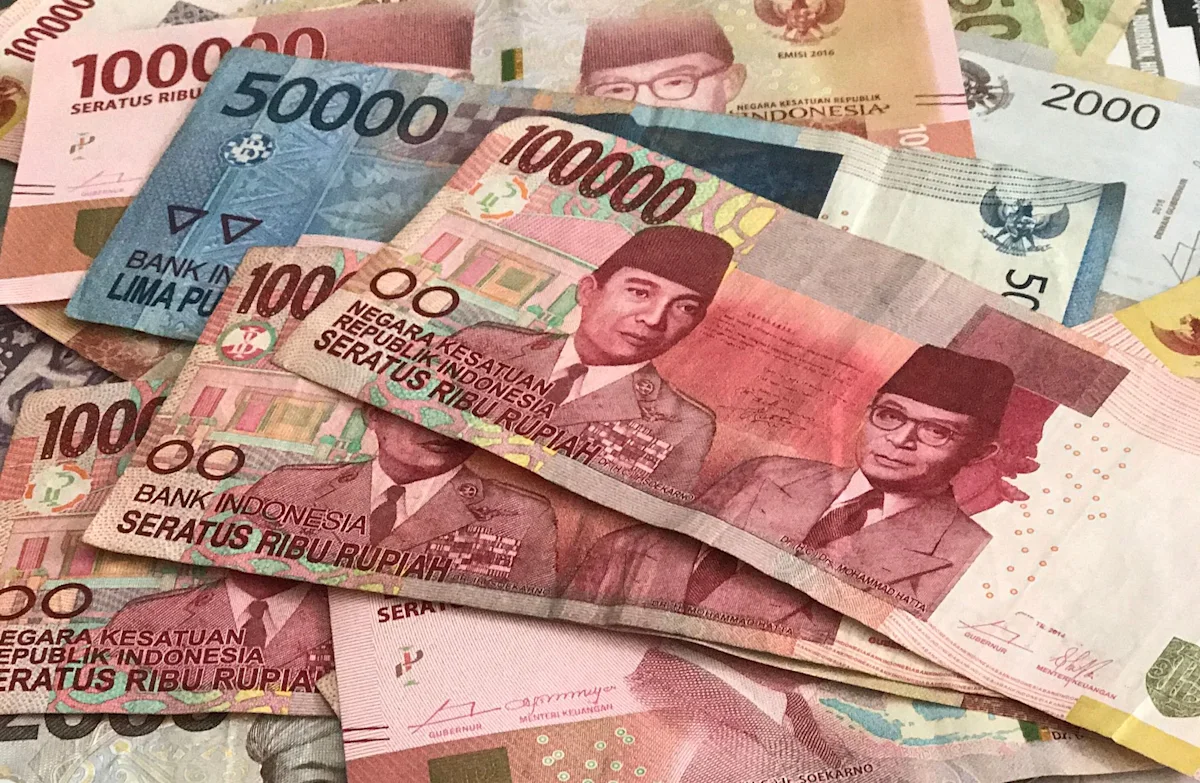
Indonesia’s government is aiming to make the most out of the country’s ongoing economic troubles by pointing out that a depreciating currency makes it more affordable to holiday in the 5,000-kilometre wide, 13,000-island tropical archipelago with its array of turquoise-water beaches, coral reefs and jungle.
Following oil price rises linked to the closure of the Strait of Hormuz, the rupiah has lost 7% of its value since the turn of the year, hitting 18,000 to the US dollar earlier in June and sparking unhappy memories of the late-1990s economic crisis and mass protests that ended the three-decade authoritarian rule of Suharto.
But the government is aiming to attract over 19 million visitors in 2027, a 1.5-million increase on this year’s target, with Made Ayu Marthini, a Tourism Ministry official, telling local media that the country should see the slumping currency “as an opportunity.”
Advertisement
Advertisement
The sliding value of the rupiah appears to have been noted, with arrivals from overseas for the first four months of the year nearing 4.7 million, the most since before the Covid lockdowns. Malaysia, Australia and China made up the top three sources for visitors and around 40% of the total to the end of April.
On June 24, the tourism ministry announced plans to again expand the country’s visa-free system, claiming such a move could see foreign arrivals increase by a third. From 2015 to 2024, Indonesia offered visa-free entry to nationals of 169 countries before cutting the number to 16 last year, a list made up mostly of other members of the Association of Southeast Asian Nations (Asean).
The plans were quickly met with opposition, however, with the country’s chief immigration official warning that such a liberalization could have security implications and facilitate “low-quality” tourism.
The government the same week said it aimed to enhance the country as a destination for halal or Muslim-friendly tourism. Around 90% of Indonesia’s 280 million people are Muslim, making the tropical archipelago the world’s biggest majority-Islam country.
Indonesia’s struggling economy has been met with protests across major cities that tourists may want to avoid, even as they make the most of falling prices.
From west to east, Indonesia’s thousands of islands stretch wider than Canada, meaning an array of options for travellers. And yet most tourists head to one island – Bali. Christoph Soeder/dpa
About the Author