
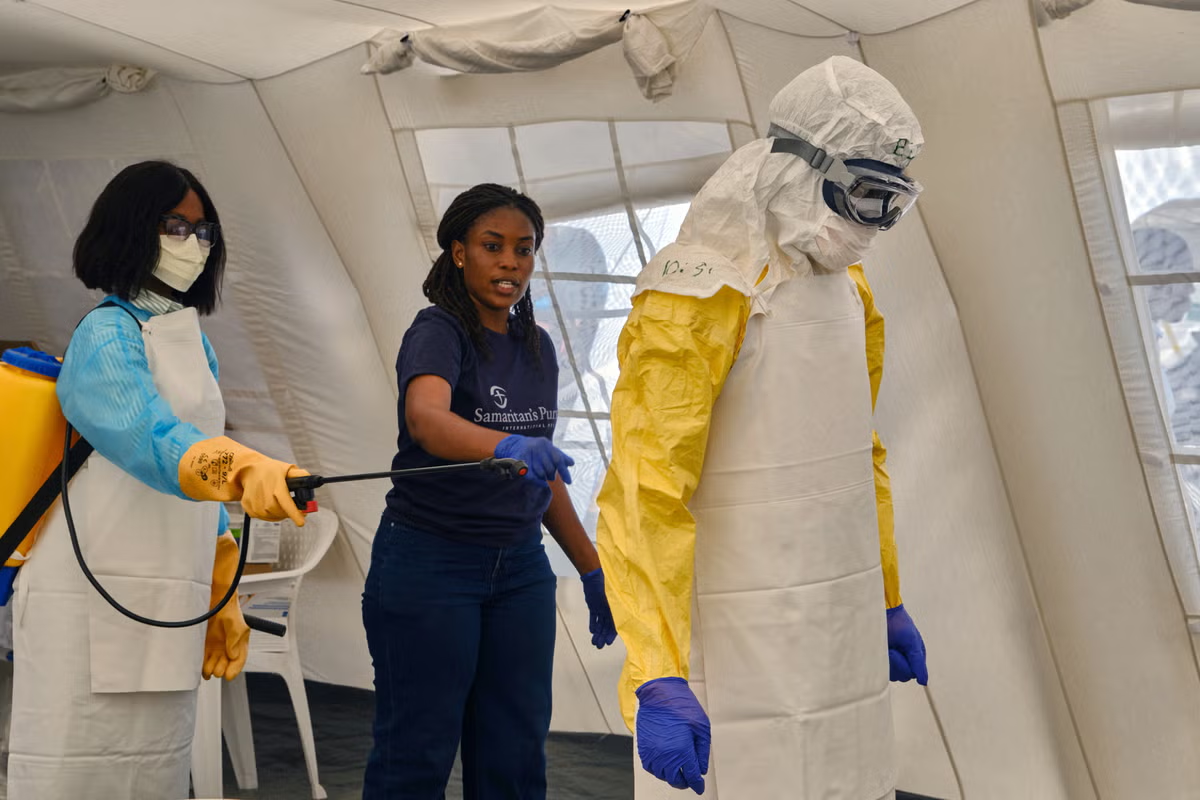
The Ebola outbreak in eastern Congo has now surpassed 1,000 confirmed cases, with officials reporting 254 deaths as of Sunday evening.
Congo’s Ministry of Health confirmed 1,003 cases and 100 recoveries since the epidemic was declared on 15 May in Ituri province.
Caused by the rare Bundibugyo virus, for which no vaccines or treatments exist, this outbreak was the worst ever in its initial month. Officials admit more cases are likely unknown, and the peak is still ahead.
Contact tracing remains a key issue, with local authorities achieving only 55 per cent coverage.
The outbreak’s patient zero is yet to be identified, and over 35,000 contacts still require tracing, authorities confirmed.
Last week, The Independent revealed how pregnant women in the Democratic Republic of Congo are increasingly shunning hospitals during one of the worst Ebola outbreaks in history, risking a secondary health crisis as maternal deaths rise.
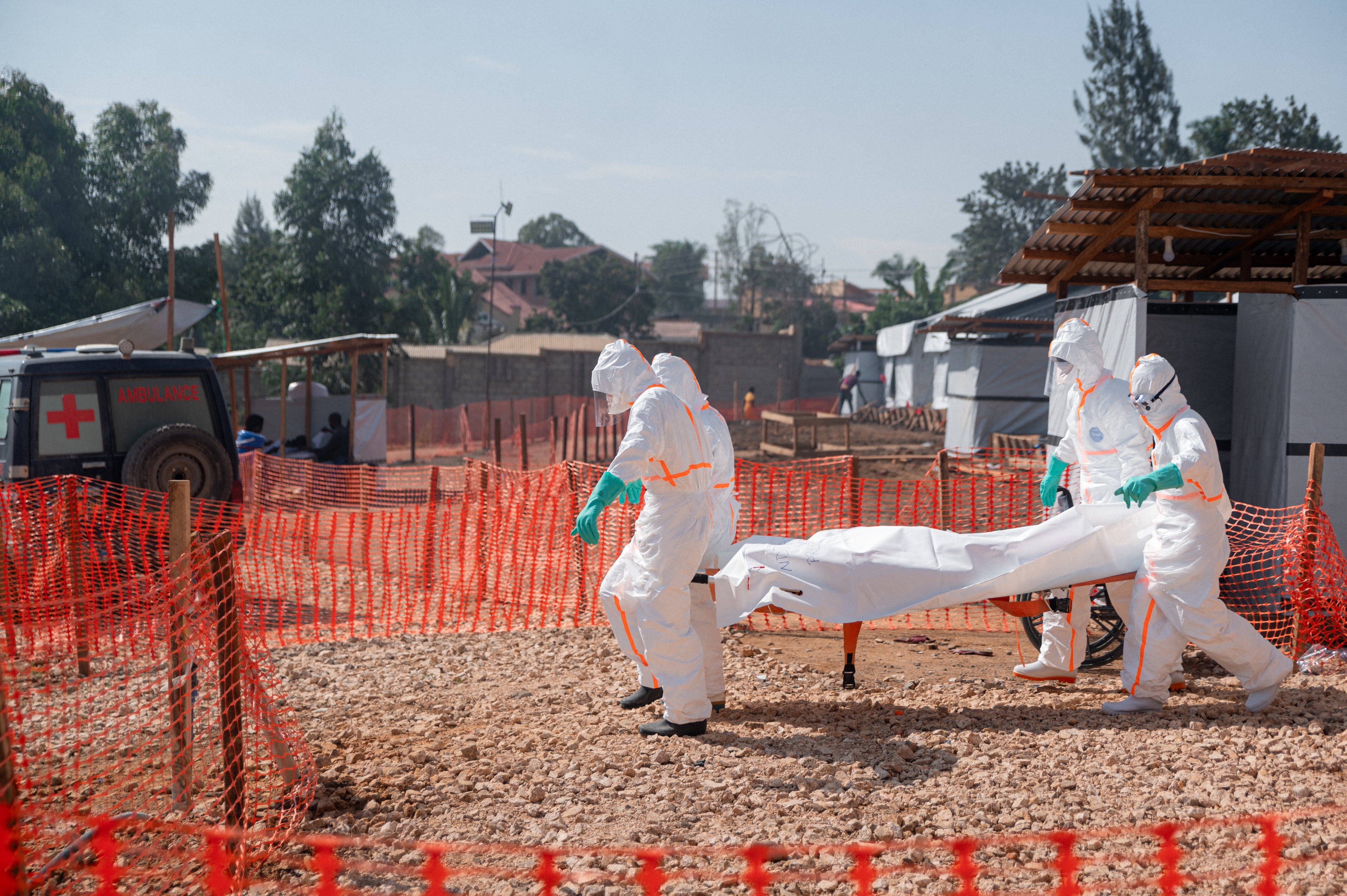
Health workers on the ground report that fear is deterring expectant mothers from vital medical checks at health centres, leading to potentially more dangerous home births.
The United Nations Population Fund (UNFPA) has documented a number of extra maternal deaths in the eastern Ituri province, the epicentre of the epidemic, which they believe are connected to Ebola.
“In three cases, we are certain. Either the woman was scared to go to the health facility because of Ebola, or she had symptoms consistent with Ebola,” said Noemi Dalmonte, UNFPA’s deputy representative in the DRC.
Confirmed numbers remain relatively low, with seven maternal deaths compared to two in Ituri province during the same week of last year, but it has triggered fears of a sharp spike in preventable maternal deaths.
The outbreak is concentrated in Ituri, which accounts for more than 90 per cent of the cases. Cases have also been recorded in the North Kivu and South Kivu provinces and have spread across the border to Uganda, where 19 confirmed cases have been reported and two people have died.
In the provincial capital of Ituri, Bunia, prenatal consultations at one clinic have dropped dramatically, and medical director Dr Sonny Mwembo told AP that attendance has fallen from around 60 expectant mothers a month to just 10.
About the Author